
Ealing / W5
Carpet Cleaning Ealing: A Practical Plan Built Around Condition
- Backing and edge condition reviewed before rinsing
- Solution volume matched to soil and textile response
- Recovery prioritised throughout the main treatment
- Permanent marks never chased with uncontrolled wetting
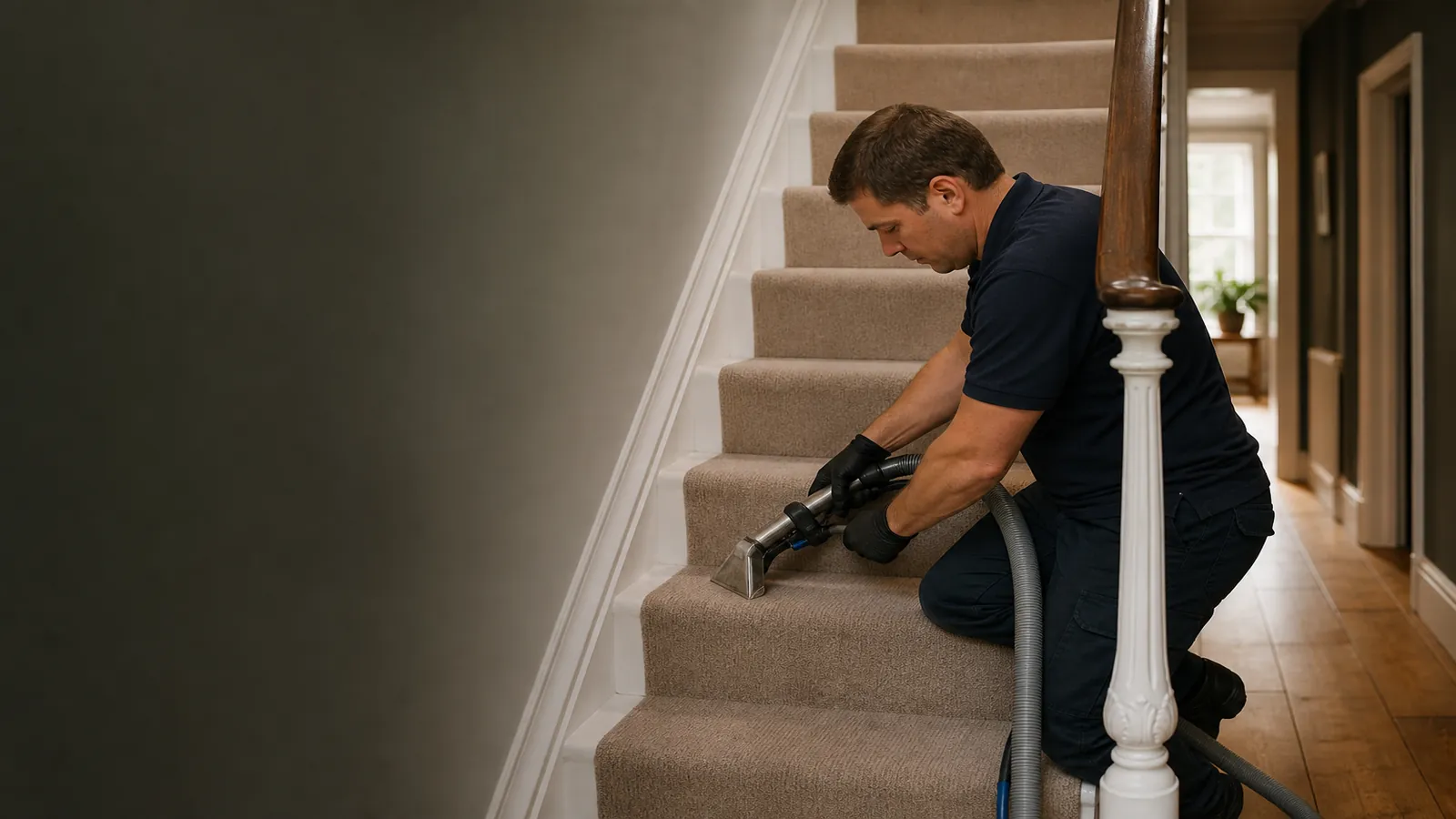
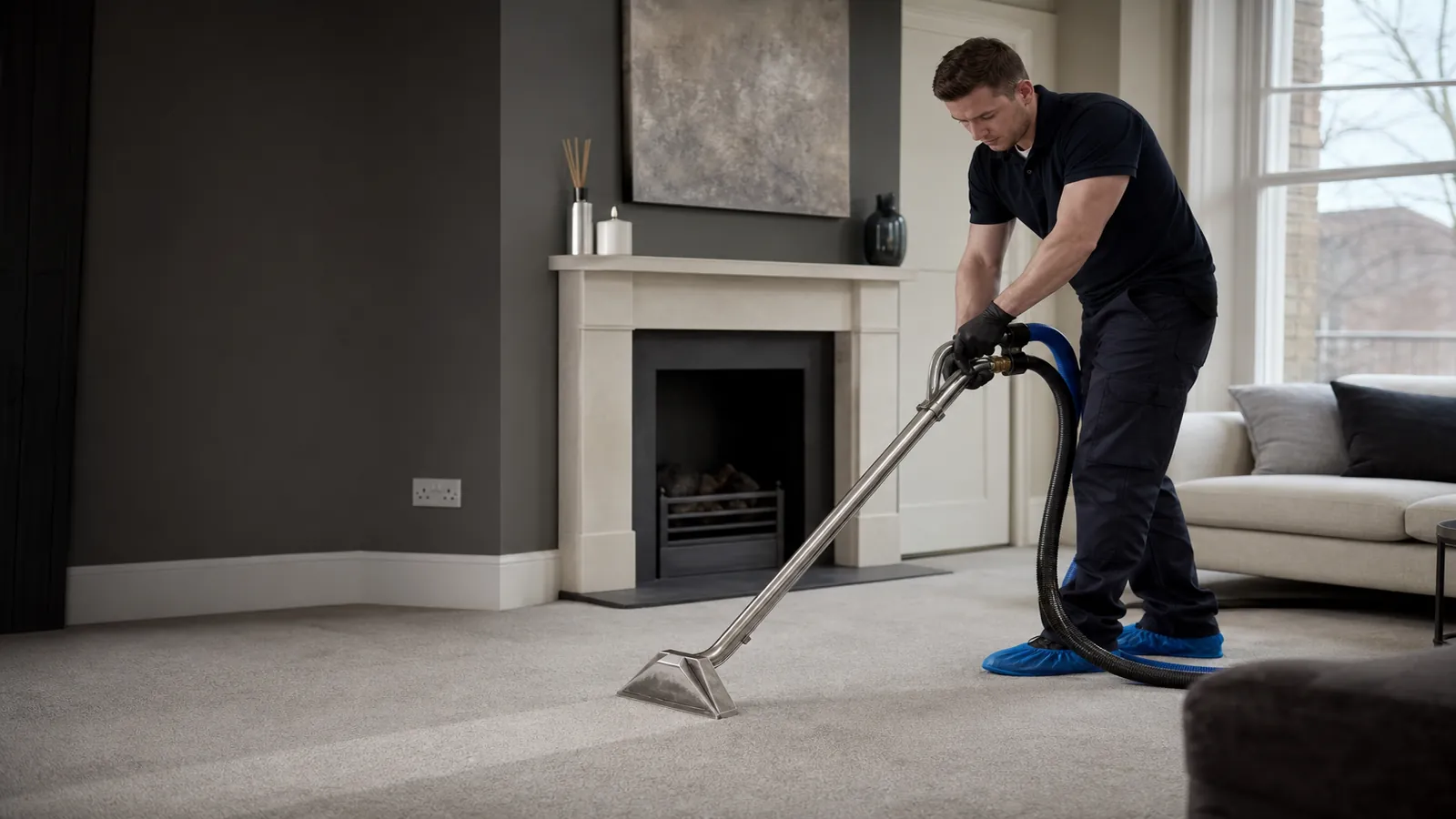
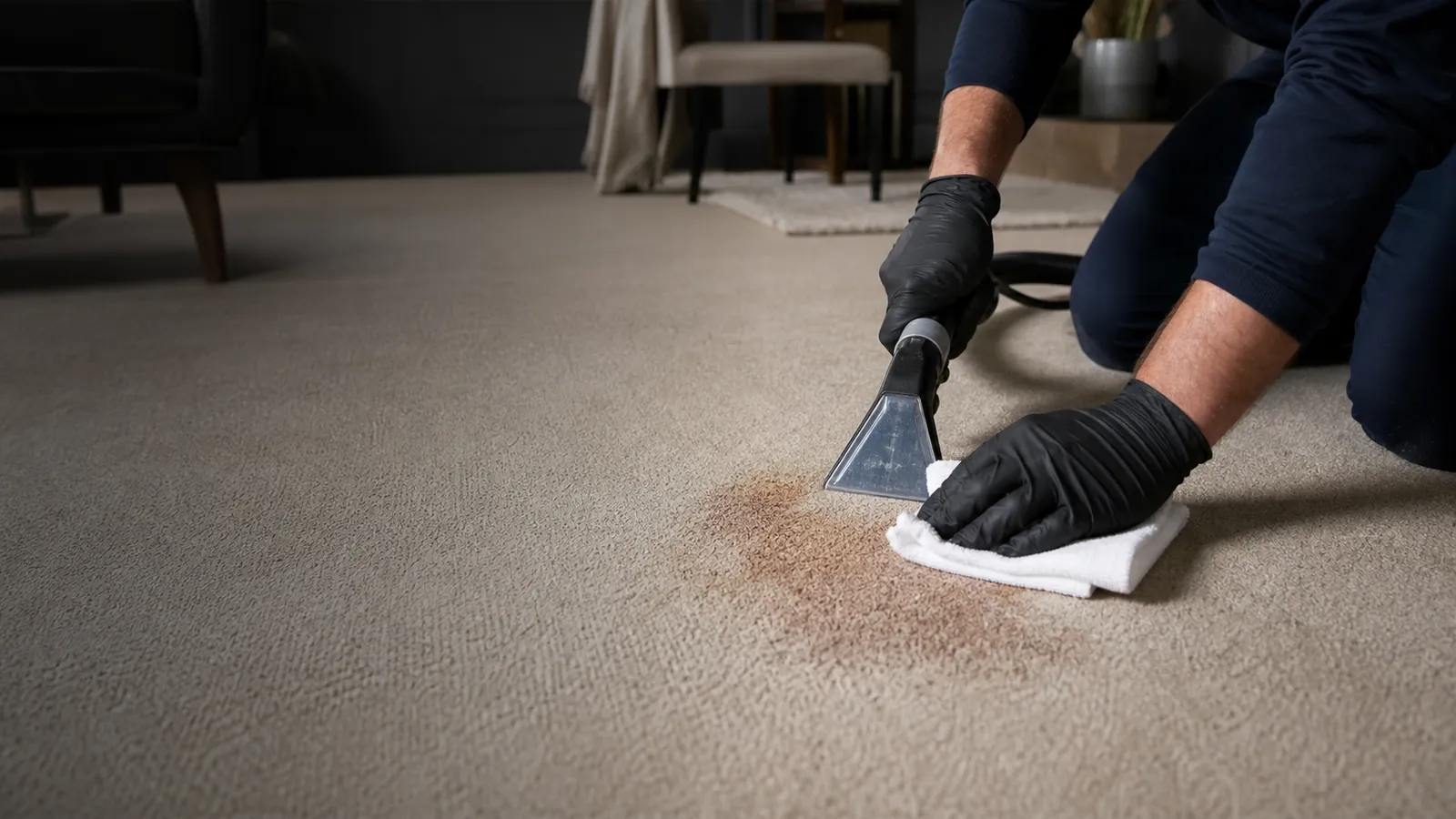
Carpet cleaning in Ealing for flats and family homes
Ealing properties range from purpose-built flats and period conversions to larger houses around Pitshanger, Northfields and Ealing Common. Carpet condition varies accordingly: entrance routes may carry street grit, family rooms collect food and pet residues, and shared hallways can show concentrated wear.
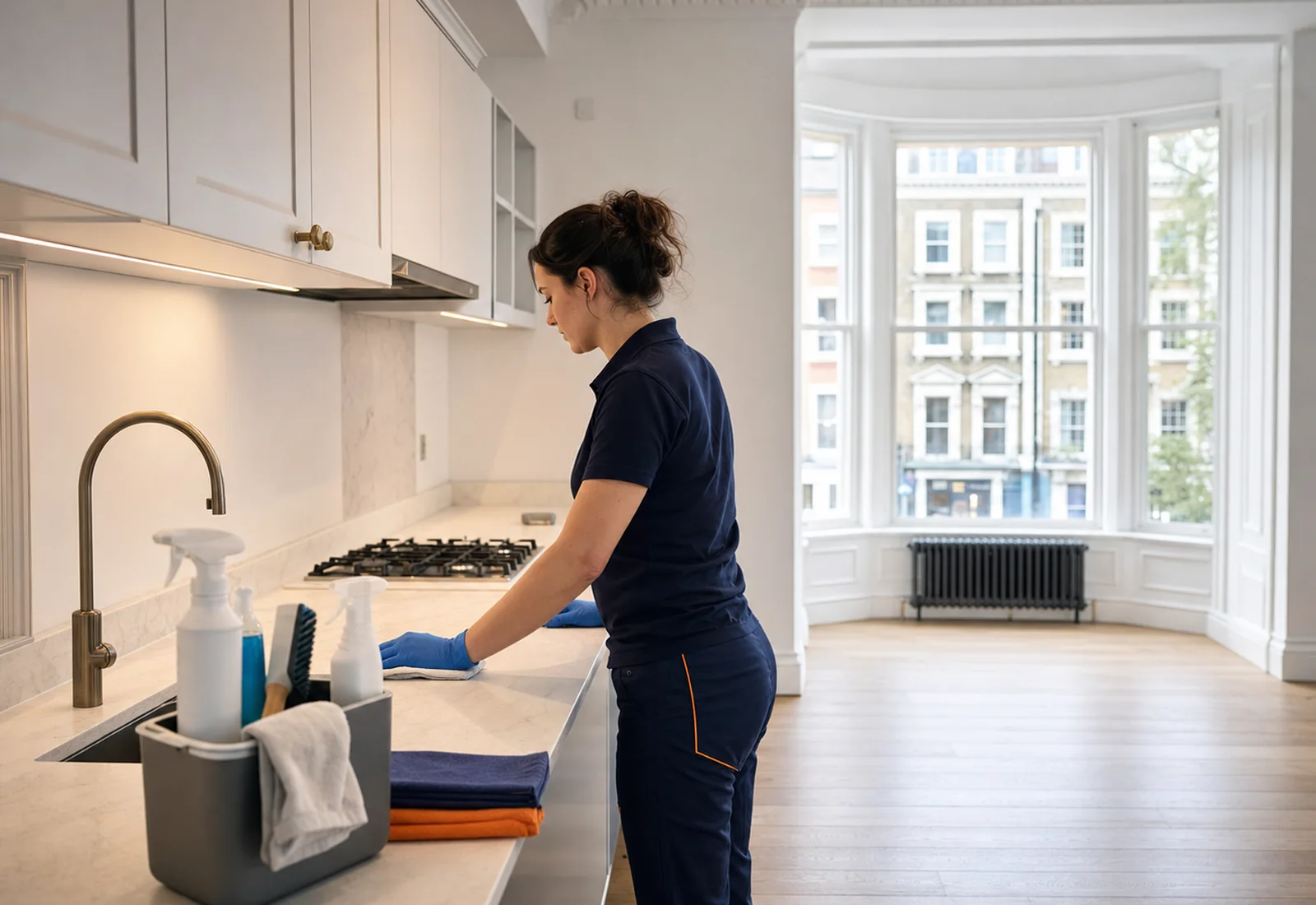
A useful visit starts with fibre, construction and stain assessment—not an assumption that every carpet can receive the same treatment. Furniture access, parking and the route from the van also matter when extraction equipment is required. Customers combining fabric care can coordinate sofa and upholstery cleaning, while tenants approaching checkout may need the carpet work aligned with their wider moving clean.
Confirm stairs, shared entrances and delicate edge finishes.
Allow for pet areas, busy walkways and sufficient ventilation.
Heating, airflow and pile depth affect when rooms return to use.
Visitor permits and controlled parking should be arranged early.
The safest clean begins with material knowledge
Two carpets can carry similar grey traffic lanes and still require notably different handling. Fibre content, twist, backing, dye behaviour, age and earlier treatments affect what can be done safely. Our Ealing page therefore approaches the appointment from the fibre outward: establish the material’s working range, then design the soil-removal steps inside it.
Identification is not based on appearance alone. Labels and customer records are useful when available, while inspection and a discreet response test add evidence on site. Wool-rich pile, synthetics and blends can each perform well under an appropriate system, but they should not be pushed through one standard temperature, solution strength or agitation routine for convenience.
The condition survey also looks for problems that cleaning cannot correct. Fuzzing, abrasion, loose seams, colour loss and changes caused by sunlight may become more visible once surrounding soil is removed. Noting them beforehand protects the carpet and sets an honest expectation: cleanliness can improve without the textile becoming new.
Stain work remains subordinate to fibre safety. A stubborn patch does not justify repeated strong applications when test results show limited movement or colour risk. We may make a second controlled attempt using a different principle, but we stop where the likely benefit no longer outweighs the possibility of setting, spreading or damaging the mark.
Related textiles deserve the same independence. An armchair is not treated with a carpet setting merely because it appears wool-like, and a mattress has its own layered construction. Customers can scope upholstery cleaning or mattress cleaning separately so every material receives a specific assessment.
SERVICE SCOPE / READ BEFORE BOOKING
What a stair-aware Ealing service includes
Included in this brief
- A count and condition review of rooms, landings and carpeted steps
- Detailed vacuum work along corners, edges, treads and transitions
- Controlled pre-treatment and extraction suited to the installed carpet
- Final viewing from multiple directions with drying and access advice
Outside this cleaning brief
- Refixing loose carpet, repairing nosings or replacing damaged underlay
- A promise that abrasion on the leading edge will disappear
- Cleaning unlisted runners, rugs or fabric furnishings
PRICING / CLEAR STARTING POINTS
Access windows and floor condition shape the quotation
Provide area, rooms, stairs, fibre information, footfall routes, spill history, furnishings and available work times. Current published guidance sits on the prices page. The quotation covers the declared floor rather than attaching a surcharge or promise to the Ealing name.
01
Single room
From £15 / room
Compact bedroom or study
02
Double room
From £15 / room
Standard double bedroom
03
Lounge
From £15 / room
Living room with clear equipment access
04
Stairs
Quotation
Standard flight, subject to construction
05
Hallway
Quotation
Reachable hall or landing
06
Whole property
Quotation
Measured rooms and fibre types
Prices are guide prices.
Final quotation depends on the property, condition and requirements.
SERVICE TEAMS / THE AGREED WORK
Four questions before fine-dust carpet work

Has the source genuinely stopped?
Cleaning before sanding or drilling is complete invites immediate resettlement. The customer confirms that dust-producing tasks and loose waste removal have finished before the carpet appointment begins.

Is the material safe to vacuum?
Ordinary inert decorating dust differs from sharp fragments or an unknown substance. Anything presenting a hazard must be identified and handled through an appropriate service rather than hidden in a carpet brief.

Where has air carried the particles?
Edges and doorway lines can contain concentrated deposits. Narrow-tool extraction addresses reachable boundaries, while the handover notes sources outside the textile that may continue releasing material.

What does protected pile reveal?
A sheltered patch helps compare colour and dust load. It does not promise that exposed fibre will match perfectly, because sunlight, traffic and abrasion may have changed it independently.
Fine-dust preparation can be intensive, but it remains carpet cleaning rather than site clearance. The distinction protects equipment, technicians and the customer’s expectation. Before arrival, the room should be checked for screws, splinters, broken blades and other small hazards that disappear visually into pale powder. These are removed safely by the responsible contractor or occupant, not pushed towards the carpet edge. The cleaner can then focus on textile recovery instead of discovering construction waste through damaged equipment. Dust on the carpet may also be only one part of the load. Window boards, radiator tops, shelves and the upper faces of doors can release particles after the floor has been treated. The booking brief should state whether those surrounding surfaces have been cleared and whether ventilation equipment has continued moving dust. This does not convert carpet cleaning into a builders’ clean; it reveals the risk of immediate resettlement. Once dry extraction is complete, the operative can use a clean pale cloth or another suitable observation to decide whether loose powder remains before introducing pre-treatment for the bonded soil underneath.
PROCESS / FOUR DECISIONS
How targeted treatment fits into the main clean
01
Interview the mark
The operative records location, age, likely substance, household treatments and any movement since the event. Surrounding wear and colour variation are examined so the spot is not judged in isolation.
02
Prepare the wider carpet
Vacuuming removes loose particulate matter from the whole agreed area. General pre-treatment is selected for the floor’s overall soil and fibre, providing an even baseline before exceptional marks receive focused attention.
03
Make controlled spot attempts
A compatible agent is applied precisely and given appropriate contact. Movement is observed, transfer is managed and extraction follows. Another approach is considered only when the likely benefit remains proportionate to material risk.
04
Record what the clean reveals
After rinsing and grooming, the carpet is viewed from different directions. The handover distinguishes remaining contamination from bleaching, shading or damage and explains drying precautions without hiding the limitation.
VISIT / HANDOVER
Send photographs that do not rely on one angle

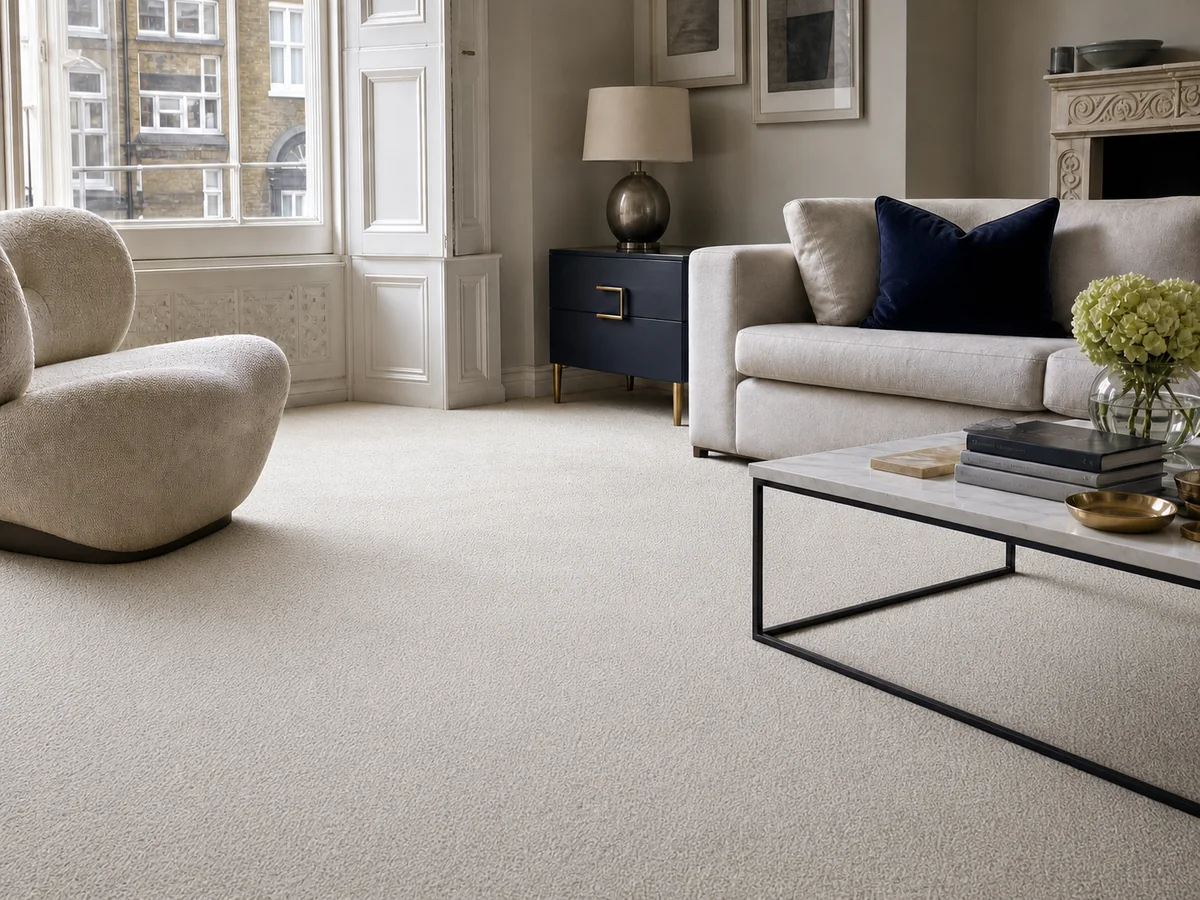
Photograph notable areas from the doorway and the opposite side in ordinary light. Avoid applying a new spot product. Clear portable belongings and describe furniture that covers comparison areas. If end of tenancy cleaning is planned, protect the finished pile from later traffic.
Furniture and reachable floor area
A useful brief identifies what will remain in place. Light items may be moved by agreement when there is a safe destination; wardrobes, loaded cabinets, pianos and wired equipment are not shifted casually. The quotation can then reflect the carpet that is genuinely accessible.
Why extra water is not extra care
Cleaning action comes from preparation, agitation, dwell time and recovery working together. Increasing solution flow without a reason can lengthen drying and place avoidable stress on backing or seams. Controlled passes are more defensible than chasing a permanent mark until the area is soaked.
What to do after the appointment
Follow the on-site ventilation advice and keep outdoor footwear away while the carpet finishes drying. Dense furniture should not be replaced prematurely. Once the pile is fully dry, vacuuming at a frequency suited to use helps prevent another layer of grit settling at its base.
Fabric items need their own assessment
A sofa and a fitted carpet may sit in the same room, but they are not automatically made from comparable materials. Seating is tested and scoped separately through upholstery cleaning; this preserves a clear method for each textile.
MAP / COVERAGE CONTEXT
Plan the route into the Ealing property.
Coverage context for Ealing. This map does not represent a staffed local office.
EXPLORE / NEXT
Related services in Ealing
EXPLORE / NEXT
Nearby areas for carpet cleaning
There is no honest universal interval. Fibre, use, occupants, entrance control, spills and routine vacuuming matter. Inspect condition and seek advice when ordinary care stops managing it evenly.
Ealing questions about carpet-cleaning frequency
How often should my carpet be professionally cleaned?
Sometimes, if construction and blending make partial treatment sensible. The cleaner should explain any risk of a visible boundary and quote the defined area transparently.
Can one traffic lane be cleaned alone?
A suitable professional method is designed to clean safely, but unnecessary or poorly controlled treatment adds no benefit. Condition-led timing avoids both excessive intervention and accumulated abrasive soil.
Does frequent extraction wear carpet out?
No. Seating has different fibres, use and soil. Upholstery cleaning should be assessed independently rather than attached to a carpet calendar.
Should upholstery follow the same schedule?
No. It describes service coverage and practical local context, not a staffed branch.
Send the Ealing rooms as a condition map
List carpeted rooms, stairs and landings; mark the busiest routes, known spills, fibre changes and furniture restrictions. Include photographs from more than one direction. That information helps us price meaningful zones, choose a safe working order and explain why a clean can be consistent without pretending that every section will become visually identical.