Why London Pets and Premium Carpets Can Be a Messy Combination
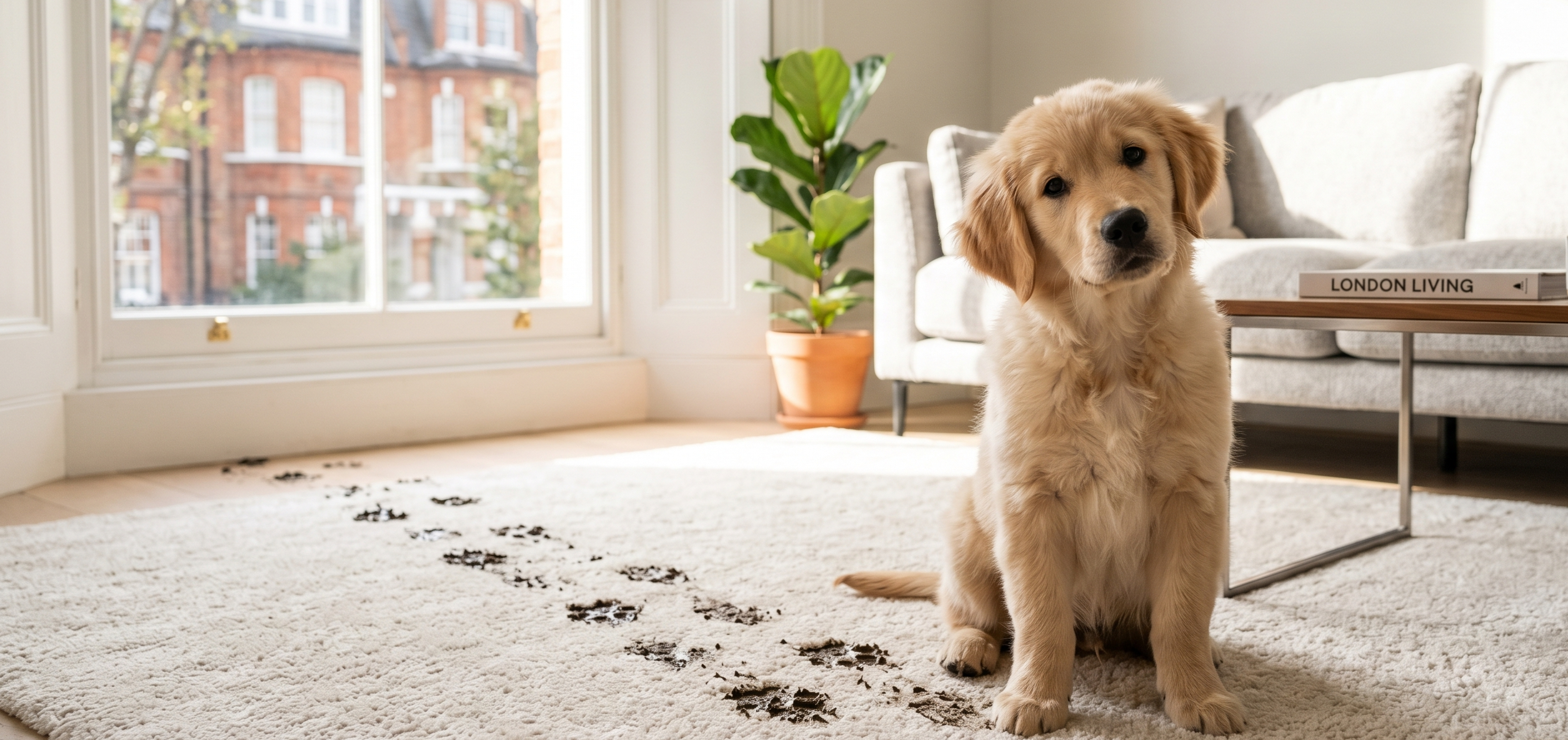
Living in London means dealing with a very specific kind of climate. A beautiful weekend walk through Greenwich Park, Streatham Common, or Epping Forest often ends with a rain shower, leaving your dog coated in thick, sticky mud. The second you walk through the front door, that wet urban grit gets tracked straight onto your delicate floor coverings.
Premium wool-blend fabrics and deep-pile synthetic fibers act like giant, static-charged sponges. They pull in wet dirt, urban pollutants, and loose pet hair, trapping them deep within the pile where regular vacuum cleaners simply cannot reach them. Over time, this embedded abrasive grit grinds against the base fibers underfoot, causing your floors to look dull, grey, and worn out long before their time.
The Science of Pet Urine: Why Household Sprays Don’t Kill the Odour
Here is a bit of straight-talking candor: that supermarket foam spray you keep in the cupboard is not actually solving your problem. When a dog or cat has an accident, the urine is initially an acidic solution. However, as it sits and dries, bacteria begin to break down the urea, turning the spot highly alkaline and releasing that classic, pungent ammonia gas.
As the liquid evaporates, it leaves behind highly concentrated alkaline uric acid salt crystals. These crystals are notoriously stubborn. Standard household detergents might temporarily mask the smell with synthetic perfumes, but the moment the weather gets humid or wet, those hidden salt crystals absorb the airborne moisture and reactivate, bringing that foul, funky smell right back into your living spaces.
Immediate Action Plan: What to Do the Second an Accident Happens
Time is your absolute best ally when dealing with fresh pet accidents. The longer a liquid sits on your floor, the deeper it sinks into the primary backing and the underlay beneath. If you catch your pet in the act, follow this immediate emergency remediation plan:
The Golden Rule of Carpet Care: Always blot, never scrub! Scrubbing forces the liquid sideways and drives it deeper into the structural backing, permanently damaging the delicate twisted fibers.
- Grab Plain Kitchen Roll: Layer a thick stack of clean, white paper towels directly over the wet zone.
- Apply Firm Pressure: Stand on the paper towels to use your body weight. This draws the moisture straight up out of the floor fabric.
- Repeat Until Dry: Keep replacing the paper towels with fresh ones until they come away completely dry.
- Flush with Cool Water: Mist the area lightly with plain, lukewarm water and blot again to dilute any remaining residue.
How to Remove Muddy Paw Prints Without Smearing the Stain
When your dog storms back inside after a rainy walk, your first instinct is probably to grab a damp cloth and start wiping up the muddy trails immediately. Stop right there! Wiping wet mud will simply smear the dark dirt particles across a larger surface area, forcing the soil deep into the fabric and effectively dyeing the fibers brown.
Instead, exercise some patience and let the mud dry completely. Once the mud turns into a dry, crusty powder, it becomes significantly easier to handle. Run your vacuum cleaner slowly over the area multiple times to extract the loose, dried dirt particles first. Once the bulk of the dry soil is safely cleared away, you can treat any remaining faint brown stains with a damp microfiber cloth and a mild, well-diluted cleaning solution, working gently from the outside of the spot toward the center.
Tackling Deep-Set Pet Urine Stains and Ammonia Odours Safely
If you are dealing with an old, dried urine stain that has already turned a yellowish-brown color, plain water isn’t going to cut it. You need a solution that attacks the mess at a molecular level. This is where eco-friendly enzymatic cleaning formulas become absolutely essential.
Enzymatic treatments contain live, safe bacteria that actively consume the uric acid crystals and organic proteins causing the foul smell. Spray the enzyme solution generously over the entire problem zone, ensuring it dampens the pile to the same depth that the original urine traveled. Cover the spot with a damp cloth and let it dwell for at least fifteen to thirty minutes, allowing the biology to do the heavy lifting for you before blotting up the remaining dampness.
The Top DIY Carpet Cleaning Mistakes London Pet Owners Make
When dealing with a stubborn stain, it is easy to make a panicked mistake that permanently ruins your expensive flooring. Avoid these common DIY blunders to keep your home safe:
- Using Harsh Bleach or Ammonia: Never use cleaners containing ammonia. To a dog or cat, ammonia smells exactly like their own waste, which actively encourages them to return and remark the exact same spot.
- Drowning the Floor in Dish Soap: Neat dishwashing liquid leaves behind a thick, sticky chemical film that is incredibly difficult to rinse out. This residue acts like a literal magnet for everyday household dust, turning the cleaned spot into a dark, dirty patch within a few weeks.
- Overwetting with Steam Mops: Using an unrated domestic steam gadget can cook the proteins in pet blood or urine, permanently locking the stain into the fabric fibers forever.
When to Call the Pros: The Magic of Professional Hot Water Extraction
While DIY blotting tactics are brilliant for minor, everyday spills, there comes a point where home remedies simply hit a wall. When pet accidents have soaked completely down into the underlayment, booking a targeted carpet cleaning session is the only definitive way to restore your property’s hygiene.
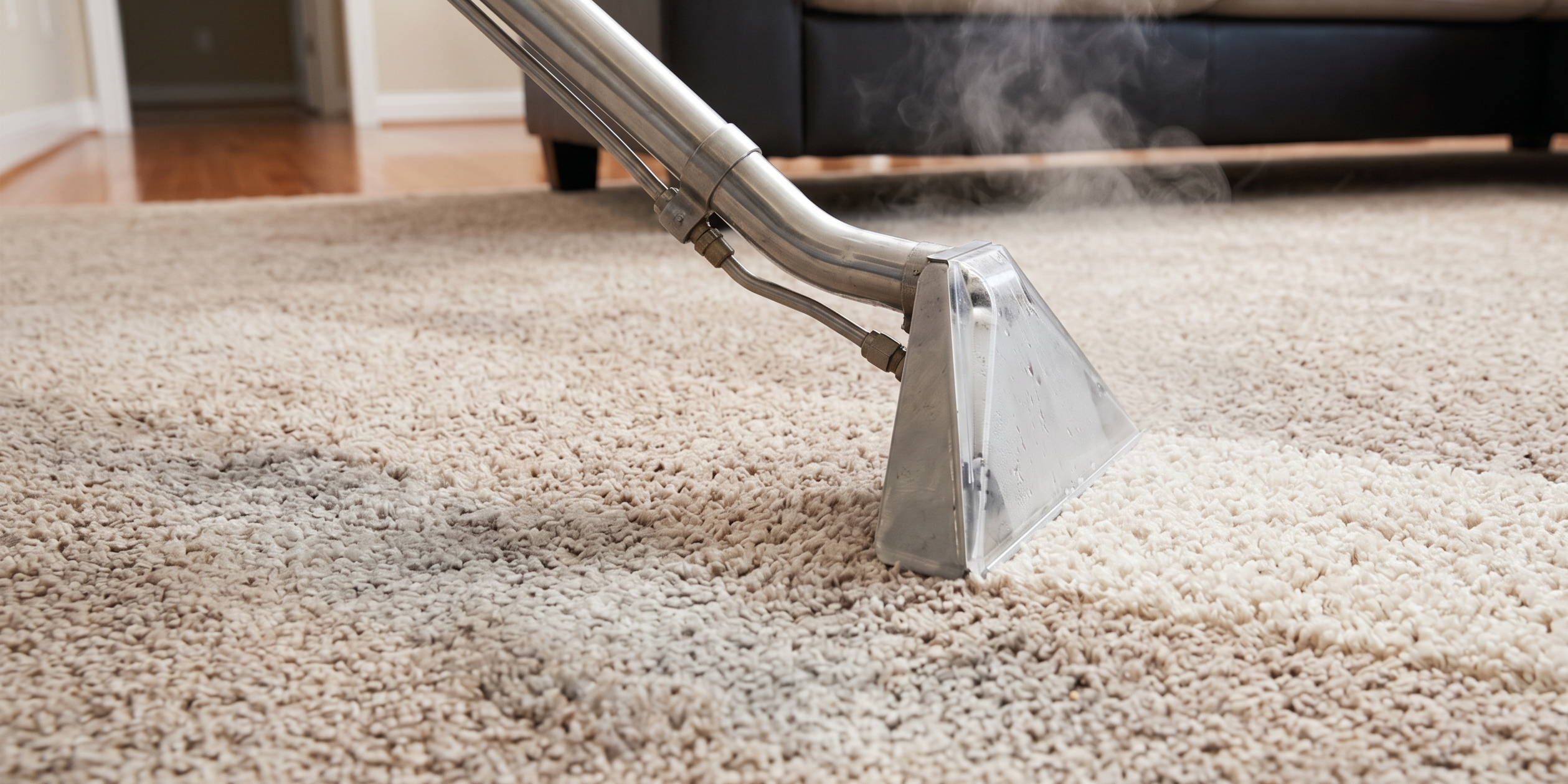
Professional technicians utilize advanced, heavy-duty hot water extraction rigs. These high-pressure systems inject specialized, pet-safe sanitising formulas deep into the backing while simultaneously pulling out the dirty slurry with an incredibly powerful industrial vacuum system. This thorough flushing process safely removes 99% of trapped allergens, deeply embedded dander, and stubborn urine salt crystals, entirely restoring your indoor air quality and extending the lifespan of your floor investments.
Proactive Habits to Keep Your Home Fresh and Pet-Friendly Year-Round
Maintaining a fresh, beautiful home shouldn’t feel like a never-ending battle against your pets. By establishing a few simple, strategic routines, you can easily protect your interior spaces from seasonal wear and tear:
| Frequency | Strategic Action Item | Real Benefit to Your Flooring |
|---|---|---|
| Daily | Set up an entryway paw-wipe station with microfibers. | Catches up to 80% of outdoor mud, grit, and street soot before it ever touches your rugs. |
| Twice Weekly | Slow, cross-pattern vacuuming with a high-filtration HEPA machine. | Lifts sharp pet dander, loose fur, and microscopic dirt before it can settle and grind down the fibers. |
| Bi-Annually | Schedule a professional deep hot water extraction clean. | Completely flushes out deep organic residues, sanitizes the backing, and keeps odors at bay. |
At the end of the day, you don’t have to choose between a clean home and your beloved pets. With a solid emergency plan, the right enzymatic products, and the occasional help of experienced local specialists, you can enjoy the absolute best of both worlds. If your living rooms are starting to feel a bit worse for wear and you need a thorough, professional reset that tackles tough stains and deep-seated odors effortlessly, head over to Go Cleaners London today to explore our full range of tailored property maintenance options.
Pet Carpet Cleaning in London: How to Remove Stubborn Stains & Muddy Paw Prints
We all love our four-legged roommates, but let’s be entirely honest—they are an absolute disaster for our flooring. Whether you are raising an chaotic new rescue puppy or managing an elderly cat, dealing with indoor accidents is practically a rite of passage for pet parents. When your beautifully plush floors turn into a canvas for muddy trails and unexpected puddles, you don’t need to panic. This ultimate guide will walk you through exactly how to salvage your floors and keep your home smelling completely fresh.
Why London Pets and Premium Carpets Can Be a Messy Combination
Living in London means dealing with a very specific kind of climate. A beautiful weekend walk through Greenwich Park, Streatham Common, or Epping Forest often ends with a rain shower, leaving your dog coated in thick, sticky mud. The second you walk through the front door, that wet urban grit gets tracked straight onto your delicate floor coverings.
Premium wool-blend fabrics and deep-pile synthetic fibers act like giant, static-charged sponges. They pull in wet dirt, urban pollutants, and loose pet hair, trapping them deep within the pile where regular vacuum cleaners simply cannot reach them. Over time, this embedded abrasive grit grinds against the base fibers underfoot, causing your floors to look dull, grey, and worn out long before their time.
The Science of Pet Urine: Why Household Sprays Don’t Kill the Odour
Here is a bit of straight-talking candor: that supermarket foam spray you keep in the cupboard is not actually solving your problem. When a dog or cat has an accident, the urine is initially an acidic solution. However, as it sits and dries, bacteria begin to break down the urea, turning the spot highly alkaline and releasing that classic, pungent ammonia gas.
As the liquid evaporates, it leaves behind highly concentrated alkaline uric acid salt crystals. These crystals are notoriously stubborn. Standard household detergents might temporarily mask the smell with synthetic perfumes, but the moment the weather gets humid or wet, those hidden salt crystals absorb the airborne moisture and reactivate, bringing that foul, funky smell right back into your living spaces.
Immediate Action Plan: What to Do the Second an Accident Happens
Time is your absolute best ally when dealing with fresh pet accidents. The longer a liquid sits on your floor, the deeper it sinks into the primary backing and the underlay beneath. If you catch your pet in the act, follow this immediate emergency remediation plan:
The Golden Rule of Carpet Care: Always blot, never scrub! Scrubbing forces the liquid sideways and drives it deeper into the structural backing, permanently damaging the delicate twisted fibers.
- Grab Plain Kitchen Roll: Layer a thick stack of clean, white paper towels directly over the wet zone.
- Apply Firm Pressure: Stand on the paper towels to use your body weight. This draws the moisture straight up out of the floor fabric.
- Repeat Until Dry: Keep replacing the paper towels with fresh ones until they come away completely dry.
- Flush with Cool Water: Mist the area lightly with plain, lukewarm water and blot again to dilute any remaining residue.
How to Remove Muddy Paw Prints Without Smearing the Stain
When your dog storms back inside after a rainy walk, your first instinct is probably to grab a damp cloth and start wiping up the muddy trails immediately. Stop right there! Wiping wet mud will simply smear the dark dirt particles across a larger surface area, forcing the soil deep into the fabric and effectively dyeing the fibers brown.
Instead, exercise some patience and let the mud dry completely. Once the mud turns into a dry, crusty powder, it becomes significantly easier to handle. Run your vacuum cleaner slowly over the area multiple times to extract the loose, dried dirt particles first. Once the bulk of the dry soil is safely cleared away, you can treat any remaining faint brown stains with a damp microfiber cloth and a mild, well-diluted cleaning solution, working gently from the outside of the spot toward the center.
Tackling Deep-Set Pet Urine Stains and Ammonia Odours Safely
If you are dealing with an old, dried urine stain that has already turned a yellowish-brown color, plain water isn’t going to cut it. You need a solution that attacks the mess at a molecular level. This is where eco-friendly enzymatic cleaning formulas become absolutely essential.
Enzymatic treatments contain live, safe bacteria that actively consume the uric acid crystals and organic proteins causing the foul smell. Spray the enzyme solution generously over the entire problem zone, ensuring it dampens the pile to the same depth that the original urine traveled. Cover the spot with a damp cloth and let it dwell for at least fifteen to thirty minutes, allowing the biology to do the heavy lifting for you before blotting up the remaining dampness.
The Top DIY Carpet Cleaning Mistakes London Pet Owners Make
When dealing with a stubborn stain, it is easy to make a panicked mistake that permanently ruins your expensive flooring. Avoid these common DIY blunders to keep your home safe:
- Using Harsh Bleach or Ammonia: Never use cleaners containing ammonia. To a dog or cat, ammonia smells exactly like their own waste, which actively encourages them to return and remark the exact same spot.
- Drowning the Floor in Dish Soap: Neat dishwashing liquid leaves behind a thick, sticky chemical film that is incredibly difficult to rinse out. This residue acts like a literal magnet for everyday household dust, turning the cleaned spot into a dark, dirty patch within a few weeks.
- Overwetting with Steam Mops: Using an unrated domestic steam gadget can cook the proteins in pet blood or urine, permanently locking the stain into the fabric fibers forever.
When to Call the Pros: The Magic of Professional Hot Water Extraction
While DIY blotting tactics are brilliant for minor, everyday spills, there comes a point where home remedies simply hit a wall. When pet accidents have soaked completely down into the underlayment, booking a targeted carpet cleaning session is the only definitive way to restore your property’s hygiene.
Professional technicians utilize advanced, heavy-duty hot water extraction rigs. These high-pressure systems inject specialized, pet-safe sanitising formulas deep into the backing while simultaneously pulling out the dirty slurry with an incredibly powerful industrial vacuum system. This thorough flushing process safely removes 99% of trapped allergens, deeply embedded dander, and stubborn urine salt crystals, entirely restoring your indoor air quality and extending the lifespan of your floor investments.
Proactive Habits to Keep Your Home Fresh and Pet-Friendly Year-Round
Maintaining a fresh, beautiful home shouldn’t feel like a never-ending battle against your pets. By establishing a few simple, strategic routines, you can easily protect your interior spaces from seasonal wear and tear:
| Frequency | Strategic Action Item | Real Benefit to Your Flooring |
|---|---|---|
| Daily | Set up an entryway paw-wipe station with microfibers. | Catches up to 80% of outdoor mud, grit, and street soot before it ever touches your rugs. |
| Twice Weekly | Slow, cross-pattern vacuuming with a high-filtration HEPA machine. | Lifts sharp pet dander, loose fur, and microscopic dirt before it can settle and grind down the fibers. |
| Bi-Annually | Schedule a professional deep hot water extraction clean. | Completely flushes out deep organic residues, sanitizes the backing, and keeps odors at bay. |
At the end of the day, you don’t have to choose between a clean home and your beloved pets. With a solid emergency plan, the right enzymatic products, and the occasional help of experienced local specialists, you can enjoy the absolute best of both worlds. If your living rooms are starting to feel a bit worse for wear and you need a thorough, professional reset that tackles tough stains and deep-seated odors effortlessly, head over to Go Cleaners London today to explore our full range of tailored property maintenance options.