Stains are unavoidable in any home, but effective stain removal depends on using the right method for each surface. Different materials react differently to moisture, cleaning agents and friction, which means the wrong approach can cause permanent damage to fabrics, carpets or furniture.
This guide explains how to safely remove stains from clothes, carpets, upholstery and hard surfaces using practical methods suitable for UK households. Whether you are dealing with everyday spills or tougher marks, understanding the correct approach can prevent long-term damage and improve cleaning results.
For persistent or large-scale staining issues, professional services such as end-of-tenancy cleaning or regular domestic cleaning can provide deeper and more reliable results.
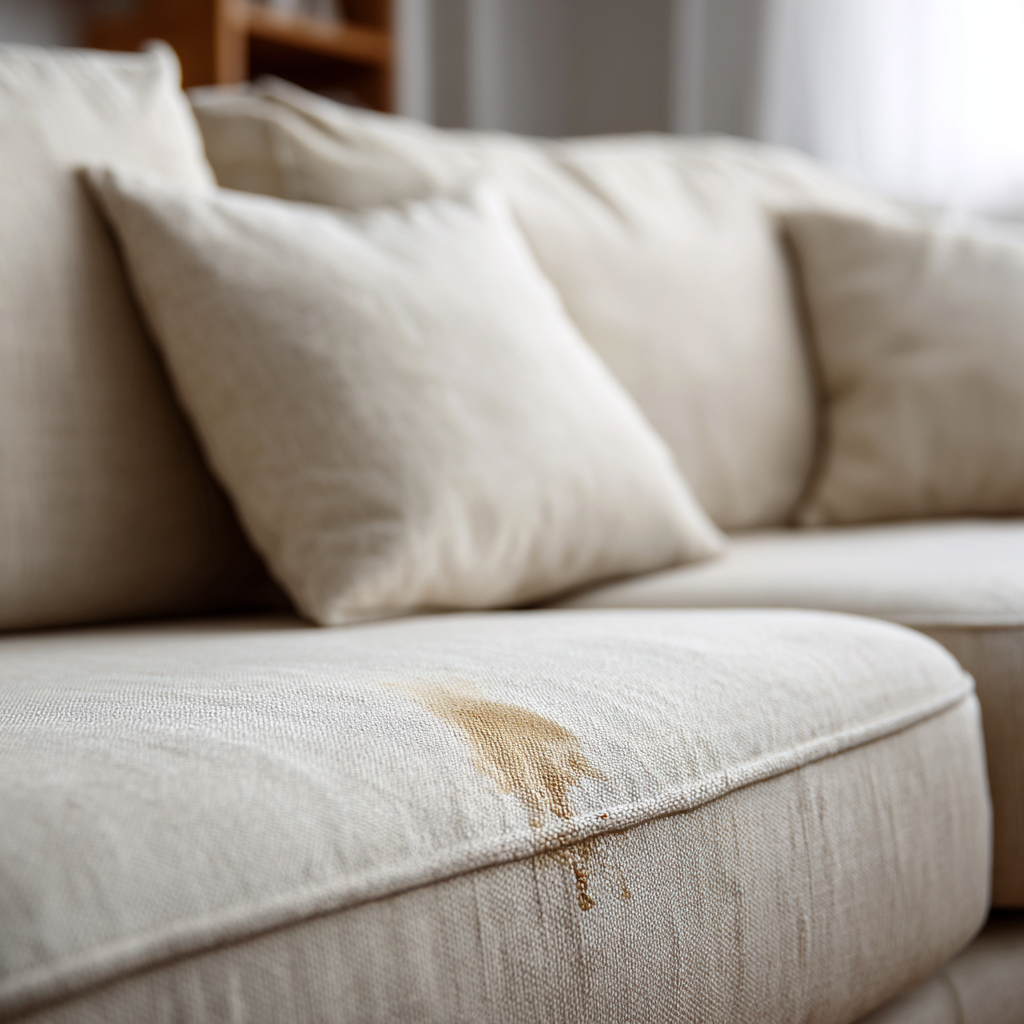
The Golden Rules of Stain Removal
Successful stain removal in UK homes starts with a few essential rules that apply to almost every situation.
Act quickly: Fresh stains are significantly easier to remove than dried ones. The longer a stain sits, the deeper it bonds with fibres and surfaces.
Blot, do not rub: Rubbing spreads the stain and pushes it deeper into the material. Blotting gently lifts the stain instead.
Test before cleaning: Always test any solution on a hidden area to avoid discolouration or damage.
Use cold water first: Hot water can set certain stains, such as blood or dairy, making them permanent.
Avoid heat: Do not use tumble dryers or irons until you are sure the stain has been fully removed.
Quick Guide to Common Household Stains
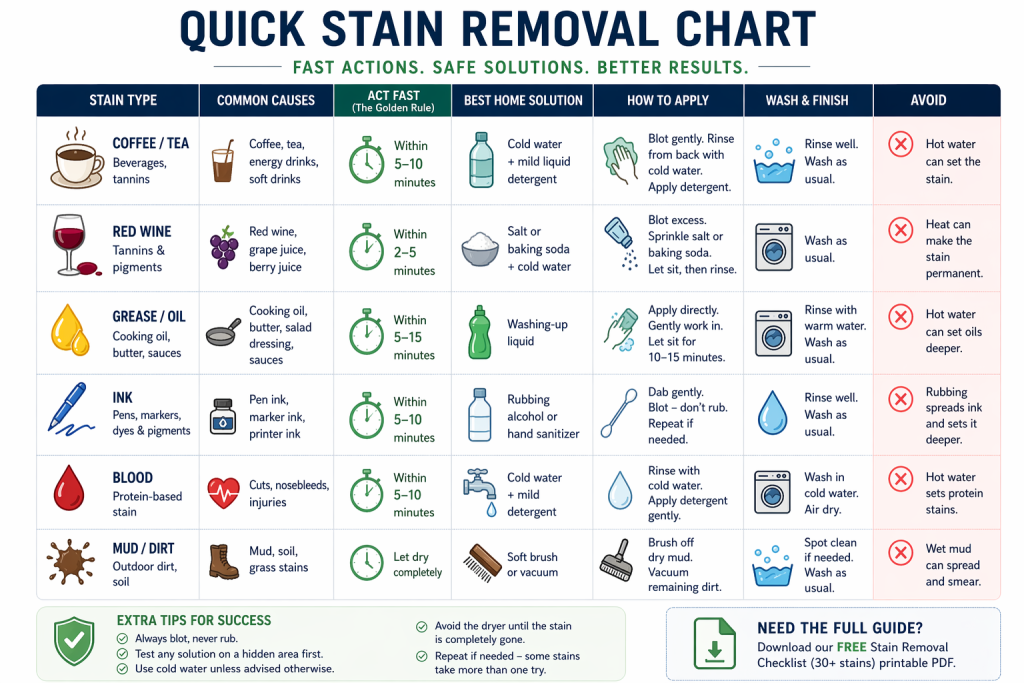
Coffee and tea stains should be blotted immediately and treated with cold water and mild detergent. Red wine can be managed using salt or baking soda before rinsing.
Grease and oil stains respond well to washing-up liquid, while ink stains may require rubbing alcohol or hand sanitiser.
For pet-related or biological stains, enzyme-based cleaners are often the most effective solution for deep cleaning.
For more difficult or widespread staining in carpets or soft furnishings, specialist carpet cleaning services or upholstery cleaning may be required.
Food and Drink Stain Removal from Fabrics
Food and drink stains are among the most common issues in UK households. Effective fabric stain removal depends on acting quickly and using the correct treatment for each type of spill.
Coffee and tea stains should be rinsed from the back of the fabric with cold water before applying mild detergent. Red wine requires immediate blotting followed by salt or baking soda to absorb moisture.
Greasy food stains should be treated with washing-up liquid, gently worked into the fabric before rinsing. Chocolate and fruit juice stains respond well to cold water and mild cleaning solutions.
In cases where stains are set-in or affect delicate materials, professional support, such as one-off cleaning, can help restore affected items safely.
Biological Stains: Blood, Sweat and Urine
Biological stains require careful handling due to their protein content. Incorrect treatment can permanently lock stains into fibres.
Blood stains should always be treated with cold water only. Hot water will set the stain permanently. Gentle blotting and mild detergent are usually effective.
Sweat stains can be treated with baking soda paste or diluted vinegar to break down residue and odours.
Urine stains require both stain and odour removal. Vinegar solutions and enzyme cleaners are often the most effective approach for deep cleaning.
For properties requiring full sanitation, services such as after builders cleaning or mould removal service may be appropriate, depending on contamination levels.
Stain Removal from Carpets and Upholstery
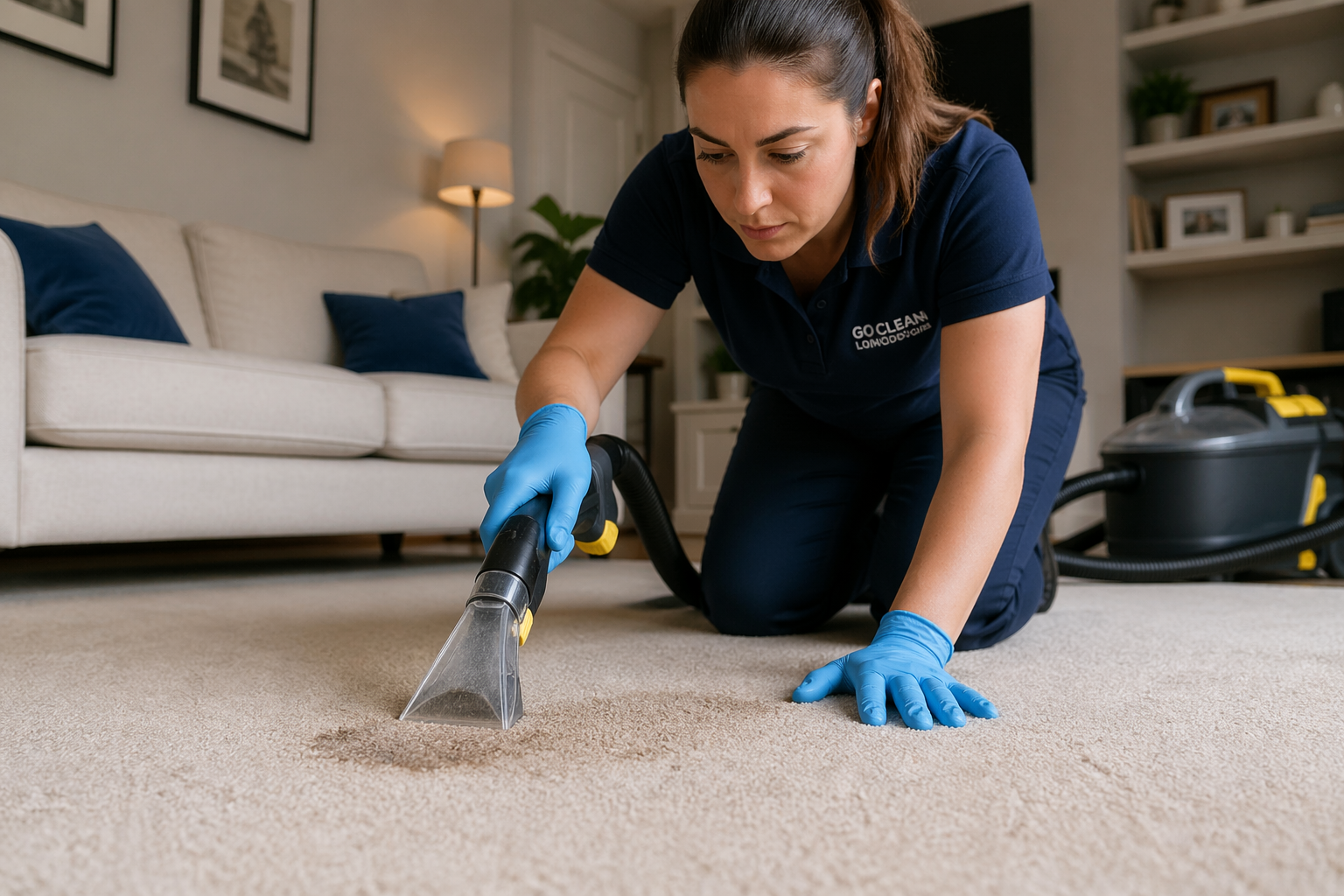
Carpet cleaning in the UK requires careful attention to prevent spreading or fibre damage. Always work from the outside of the stain inward.
Blot fresh spills immediately using a clean cloth. Avoid scrubbing, as this pushes the stain deeper into carpet fibres.
Upholstery should always be cleaned according to the manufacturer’s instructions. Over-wetting can cause long-term damage or mould growth inside cushions.
For deeper cleaning needs, professional regular office cleaning or same-day cleaning services may be required for fast turnaround results.
Hard Surface Stain Removal
Hard surfaces such as tiles, glass, wood and countertops are more resistant but still require correct cleaning methods.
Tiles can be cleaned with warm water and mild detergent, while grout may require a soft brush for deeper dirt removal.
Glass surfaces benefit from vinegar and water solutions for streak-free cleaning.
Wood surfaces should never be over-saturated. A lightly damp cloth followed by immediate drying is the safest method.
For full property maintenance, services such as hard floor cleaning and window cleaning can help maintain overall cleanliness.
Common Stain Removal Mistakes
One of the most common mistakes in domestic cleaning is scrubbing too aggressively, which spreads stains and damages fibres.
Using hot water too early is another frequent issue, as it can permanently set many types of stains.
Overusing cleaning products can also leave residue that attracts more dirt over time.
Ignoring care labels on clothing and upholstery often leads to avoidable damage.
When to Call Professional Cleaners
While many stains can be treated at home, some situations require professional intervention. Large, deep or delicate stains often need specialist equipment.
Professional cleaning services are especially useful for landlords, tenants and property managers dealing with high-traffic or end-of-tenancy properties.
Additional services such as oven cleaning, garden clearance, patio cleaning, conservatory and garden cleaning, London property inventories and property makeover services can support full property restoration.