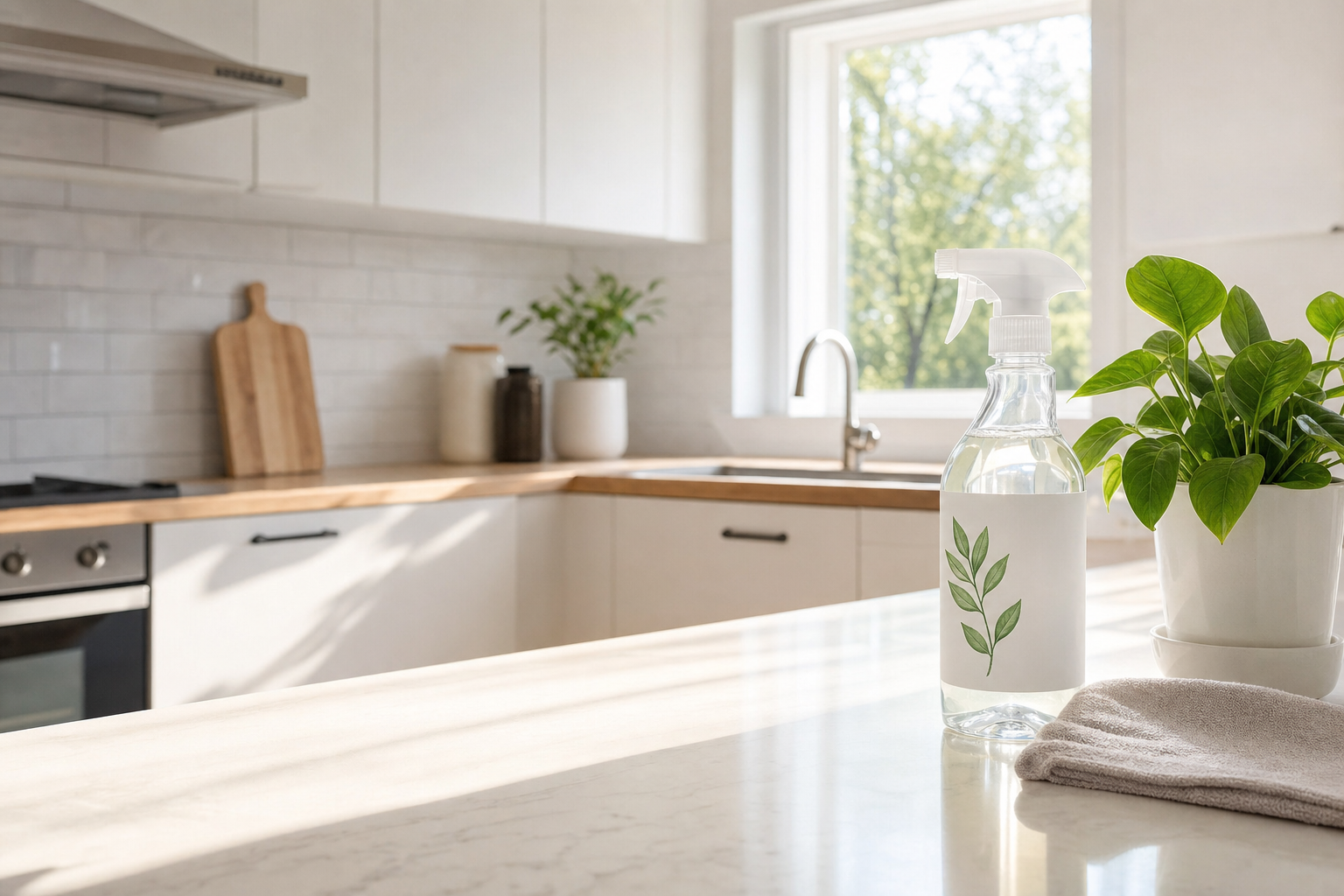
Introduction to Eco-Friendly Cleaning
Eco-friendly cleaning products are made from natural ingredients and are biodegradable, making them a safer choice for your family and the environment. Unlike traditional cleaning products, eco-friendly products do not contain harsh chemicals that can harm the environment and human health. Instead, they use natural ingredients such as essential oils, plant extracts, and minerals to clean and disinfect surfaces.
Benefits of Eco-Friendly Cleaning Products
Using eco-friendly cleaning products can have numerous benefits for your family and the environment. Some of the benefits include:
Health Benefits
Eco-friendly cleaning products are free from toxic chemicals, making them a healthier choice for your family. Traditional cleaning products can contain chemicals that can cause allergies, respiratory problems, and even cancer. Eco-friendly products, on the other hand, use natural ingredients that are gentle on surfaces and human health.
For example, a study by the American Lung Association found that using eco-friendly cleaning products can reduce the risk of asthma and other respiratory problems by up to 50%. Additionally, eco-friendly products are less likely to trigger allergies, making them a great option for families with allergy sufferers.
Environmental Benefits
Eco-friendly cleaning products are biodegradable and do not contribute to water pollution, making them a more sustainable choice. Traditional cleaning products can contain chemicals that can harm aquatic life and contaminate soil and water. Eco-friendly products, on the other hand, are designed to break down naturally in the environment, reducing the risk of pollution.
For instance, a study by the Environmental Protection Agency (EPA) found that eco-friendly cleaning products can reduce water pollution by up to 70%. This is because eco-friendly products do not contain harsh chemicals that can contaminate waterways and harm aquatic life.
How to Choose Eco-Friendly Cleaning Products
When choosing eco-friendly cleaning products, there are several things to consider. Here are some tips to help you make the right choice:
- Look for products with natural ingredients
- Choose products that are biodegradable
- Check for certifications from reputable organizations
Some popular certifications for eco-friendly cleaning products include the EU Ecolabel, the Nordic Swan, and the EPA Safer Choice label. These certifications ensure that the product meets certain standards for environmental sustainability and human health.
In addition to these tips, it’s also important to read the label carefully and look for products that are free from harsh chemicals, artificial fragrances, and dyes. You can also check the product’s website or contact the manufacturer to learn more about their ingredients and manufacturing processes.
Practical Examples of Eco-Friendly Cleaning Products
There are many eco-friendly cleaning products available on the market, each with its own unique benefits and uses. Here are a few examples:
- Seventh Generation: This company offers a range of eco-friendly cleaning products, including all-purpose cleaners, dish soap, and laundry detergent.
- Ecover: This company offers a range of eco-friendly cleaning products, including all-purpose cleaners, glass cleaners, and toilet bowl cleaners.
- Method: This company offers a range of eco-friendly cleaning products, including all-purpose cleaners, dish soap, and laundry detergent.
These companies use natural ingredients and biodegradable materials to create effective and sustainable cleaning products.
Steps to Implement Eco-Friendly Cleaning in Your Home
Implementing eco-friendly cleaning in your home is easier than you think. Here are some steps to get you started:
- Start by assessing your current cleaning products and identifying areas where you can make changes.
- Look for eco-friendly alternatives to your current cleaning products.
- Read the labels carefully and choose products that are free from harsh chemicals and artificial fragrances.
- Consider making your own cleaning products using natural ingredients like baking soda, vinegar, and essential oils.
By following these steps, you can create a healthier and more sustainable cleaning routine that benefits both your family and the environment.
Comparison of Eco-Friendly Cleaning Products
When choosing eco-friendly cleaning products, it’s essential to compare different options and choose the one that best fits your needs. Here’s a comparison of some popular eco-friendly cleaning products:
| Product | Ingredients | Biodegradable | Certifications |
|---|---|---|---|
| Seventh Generation All-Purpose Cleaner | Plant-based ingredients | Yes | EPA Safer Choice label |
| Ecover Glass Cleaner | Natural ingredients | Yes | EU Ecolabel |
| Method Squirt + Mop Hard Floor Cleaner | Non-toxic ingredients | Yes | EPA Safer Choice label |
This comparison shows that all three products are biodegradable and have certifications from reputable organizations. However, the ingredients and certifications may vary, so it’s essential to read the labels carefully and choose the product that best fits your needs.
Additional Tips for Eco-Friendly Cleaning
In addition to choosing eco-friendly cleaning products, there are several other ways to make your cleaning routine more sustainable. Here are a few tips:
- Use microfiber cloths, which can be washed and reused multiple times, reducing the need for paper towels and other disposable cleaning products.
- Use a vacuum cleaner with a HEPA filter, which can help reduce dust and allergens in your home.
- Avoid using cleaning products that contain bleach or other harsh chemicals, which can harm the environment and human health.
Conclusion
In conclusion, eco-friendly cleaning products are a safer choice for your family and the environment. They are made from natural ingredients, biodegradable, and free from harsh chemicals. By choosing eco-friendly cleaning products, you can reduce the risk of allergies and respiratory problems, while also protecting the environment from pollution. Remember to always read the label carefully and look for certifications from reputable organizations to ensure that you are getting a high-quality product.
Creating a Sustainable Cleaning Routine
To create a sustainable cleaning routine, it’s essential to consider the environmental impact of your cleaning products and practices. Here are some tips to help you get started:
- Choose eco-friendly cleaning products that are biodegradable and free from harsh chemicals.
- Use reusable cleaning cloths and dusters to reduce waste.
- Avoid using paper towels and other disposable cleaning products.
- Consider making your own cleaning products using natural ingredients like baking soda, vinegar, and essential oils.
The Importance of Reading Labels
When choosing eco-friendly cleaning products, it’s essential to read the labels carefully. Here are some things to look for:
- Check for certifications from reputable organizations like the EPA Safer Choice label or the EU Ecolabel.
- Look for products that are biodegradable and free from harsh chemicals.
- Check the ingredient list to ensure that the product is made from natural ingredients.
- Avoid products that contain artificial fragrances, dyes, or preservatives.
DIY Eco-Friendly Cleaning Products
Making your own eco-friendly cleaning products is a great way to reduce waste and save money. Here are some recipes to get you started:
- All-purpose cleaner: Mix 1 cup of water, 1/2 cup of white vinegar, and 1 tablespoon of castile soap in a spray bottle.
- Glass cleaner: Mix 1 cup of water, 1/2 cup of white vinegar, and 1 tablespoon of cornstarch in a spray bottle.
- Laundry detergent: Mix 1 cup of washing soda, 1 cup of borax, and 1 bar of soap in a bowl.
Eco-Friendly Cleaning for Specific Surfaces
Different surfaces require different cleaning products and techniques. Here are some tips for eco-friendly cleaning for specific surfaces:
- Wood floors: Use a mixture of 1 cup of white vinegar and 1 cup of water to clean and polish wood floors.
- Tile floors: Use a mixture of 1 cup of baking soda and 1 cup of water to clean and scrub tile floors.
- Carpet: Use a mixture of 1 cup of white vinegar and 1 cup of water to clean and deodorize carpet.
Related cleaning guides
- Benefits of Eco-Friendly Cleaning Products
- Introduction to Eco-Friendly Cleaning
- Health Benefits
- Environmental Benefits