Assessing the Damage
Before starting the cleaning process, it’s essential to assess the damage caused by the flood. Check for any structural damage, electrical hazards, and contamination from sewage or chemicals. Take photos and videos of the damage for insurance purposes and to document the extent of the damage.
When assessing the damage, consider the following factors:
- Water level: How high did the water rise, and which areas of the home were affected?
- Water type: Was the water clean, or was it contaminated with sewage, chemicals, or other hazardous substances?
- Duration: How long was the home exposed to the floodwater?
- Materials affected: What types of materials were exposed to the floodwater, such as drywall, insulation, or flooring?
Safety Precautions
When dealing with floodwater, it’s crucial to take safety precautions to avoid health risks. Wear protective clothing, including gloves, masks, and eye protection, and ensure the area is well-ventilated. Avoid walking or wading in floodwater, as it can be contaminated with sewage, chemicals, and other hazardous substances.
Some additional safety precautions to consider include:
- Turning off the power: If the floodwater has reached any electrical outlets or appliances, turn off the power to the home to avoid electrical shock.
- Using a respirator: If the floodwater is contaminated with mold or other hazardous substances, wear a respirator to avoid inhaling toxic fumes.
- Avoiding slip and fall hazards: Be careful when walking on wet surfaces, and use caution when climbing stairs or ladders.
Cleaning and Disinfecting
Once you’ve assessed the damage and taken safety precautions, you can start the cleaning and disinfecting process. Use a solution of water and bleach to disinfect surfaces, and ensure all areas are thoroughly cleaned and dried. Pay particular attention to areas that are prone to mold and mildew growth, such as bathrooms and kitchens.
Some tips for cleaning and disinfecting include:
- Using a disinfectant: Choose a disinfectant that is effective against a wide range of bacteria, viruses, and fungi.
- Wearing protective clothing: Wear gloves, masks, and eye protection to avoid exposure to hazardous substances.
- Working from top to bottom: Start cleaning from the top of the room and work your way down to avoid spreading contaminants.
Drying and Dehumidifying
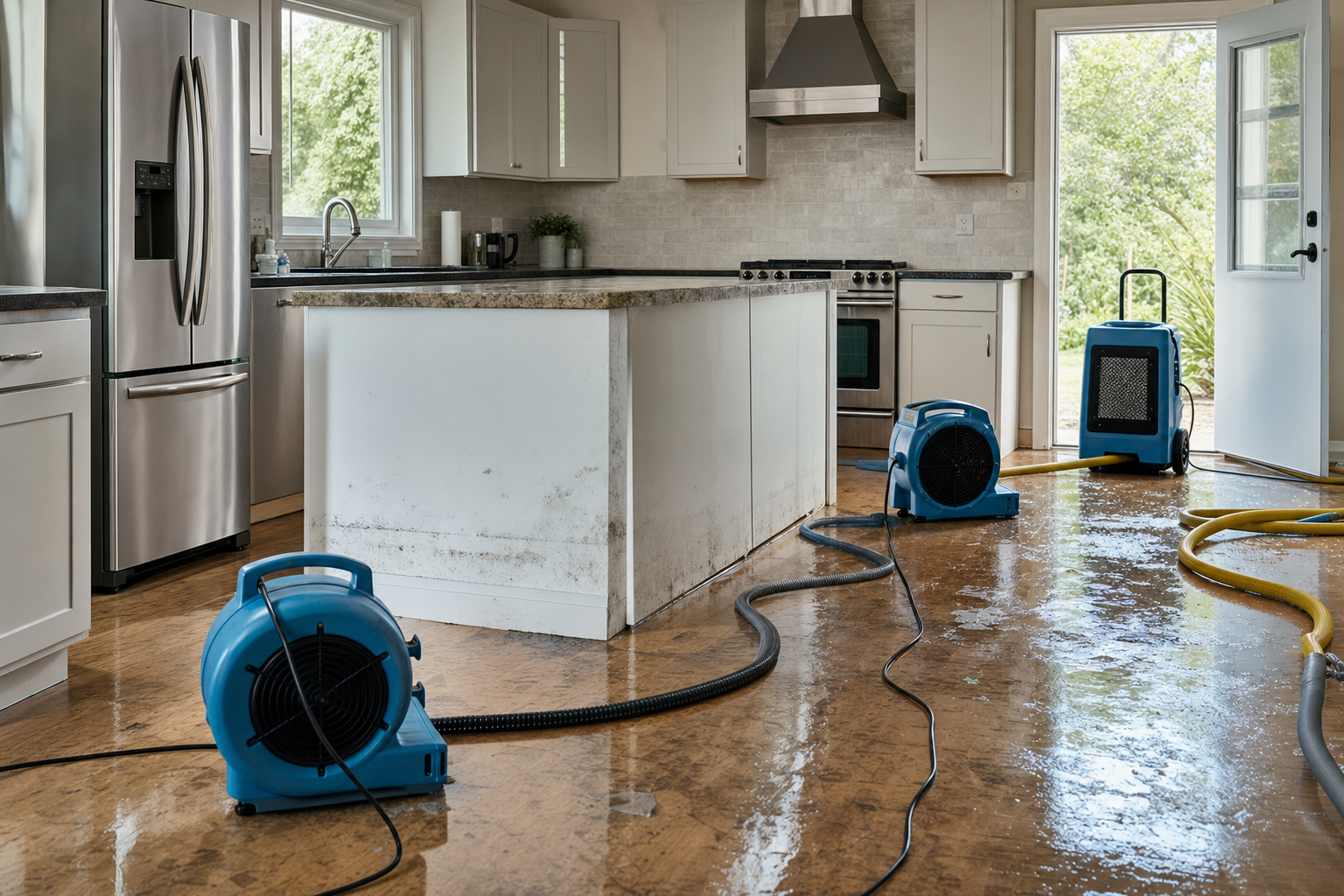
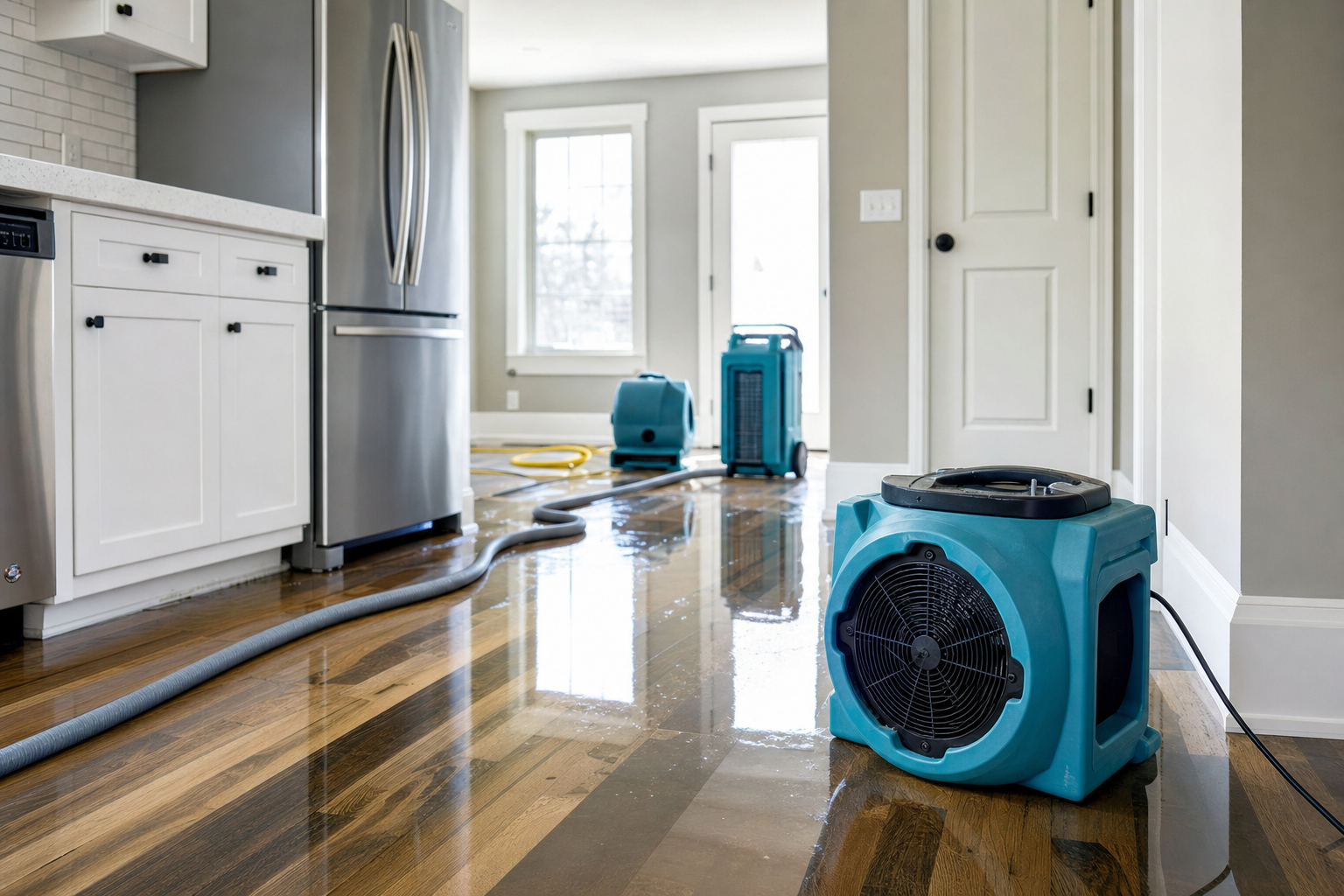
After cleaning and disinfecting, it’s essential to dry and dehumidify the area to prevent further damage and mold growth. Use fans, dehumidifiers, and open windows to speed up the drying process. Remove any wet or damaged materials, such as drywall, insulation, and flooring, and replace them with new ones.
Some tips for drying and dehumidifying include:
- Using a dehumidifier: Choose a dehumidifier that is suitable for the size of the area and the level of humidity.
- Increasing ventilation: Open windows and doors to increase ventilation and speed up the drying process.
- Monitoring humidity levels: Use a hygrometer to monitor humidity levels and ensure they are within a safe range.
Restoring Your Home
Once the area is dry and free from contamination, you can start restoring your home. This may include repairing or replacing damaged items, such as flooring, walls, and ceilings. Consider hiring a professional contractor or restoration company to help with the restoration process.
Some tips for restoring your home include:
- Working with a professional: Consider hiring a professional contractor or restoration company to help with the restoration process.
- Using high-quality materials: Choose materials that are durable and resistant to water damage and mold growth.
- Following safety guidelines: Ensure that all work is done in accordance with safety guidelines and regulations.
Preventing Future Floods
To prevent future floods, it’s essential to take proactive measures, such as installing flood-proof doors and windows, and ensuring your home is well-maintained. Regularly inspect your home’s foundation, roof, and gutters to ensure they are in good condition and functioning properly.
Some tips for preventing future floods include:
- Installing flood-proof doors and windows: Choose doors and windows that are designed to withstand floodwater and prevent water from entering the home.
- Regularly inspecting your home: Regularly inspect your home’s foundation, roof, and gutters to ensure they are in good condition and functioning properly.
- Keeping gutters clean: Keep gutters clean and clear of debris to ensure water can flow freely and doesn’t accumulate around the home.
Insurance and Financial Assistance
If you’ve been affected by a flood, you may be eligible for insurance claims or financial assistance. Check with your insurance provider and local authorities to see what options are available. Keep detailed records of the damage and any expenses related to the flood, as this will be helpful when filing a claim or seeking assistance.
Some tips for insurance and financial assistance include:
- Checking with your insurance provider: Check with your insurance provider to see if you have flood insurance and what is covered.
- Keeping detailed records: Keep detailed records of the damage and any expenses related to the flood, as this will be helpful when filing a claim or seeking assistance.
- Seeking financial assistance: Check with local authorities to see if you are eligible for financial assistance, such as grants or low-interest loans.
Additional Tips for Flood Cleaning and Home Restoration
In addition to the steps outlined above, here are some additional tips to consider when cleaning and restoring your home after a flood:
- Use a wet vacuum to remove excess water from the area.
- Use a fan to speed up the drying process.
- Consider hiring a professional cleaning and restoration company to help with the process.
- Take photos and videos of the damage for insurance purposes.
- Keep a record of all expenses related to the flood, including cleaning and restoration costs.
Common Mistakes to Avoid When Cleaning and Restoring Your Home After a Flood
When cleaning and restoring your home after a flood, there are several common mistakes to avoid. These include:
- Not wearing protective clothing, such as gloves and masks.
- Not turning off the power to the home before starting the cleaning process.
- Not using a disinfectant to clean and disinfect surfaces.
- Not drying and dehumidifying the area properly, which can lead to mold growth.
- Not keeping detailed records of the damage and expenses related to the flood.
Step-by-Step Guide to Flood Cleaning and Home Restoration
Here is a step-by-step guide to help you clean and restore your home after a flood:
- Assess the damage and take safety precautions.
- Remove excess water from the area using a wet vacuum.
- Clean and disinfect all surfaces, including floors, walls, and ceilings.
- Dry and dehumidify the area to prevent mold growth.
- Restore your home by repairing or replacing damaged items.
- Take photos and videos of the damage for insurance purposes.
- Keep a record of all expenses related to the flood, including cleaning and restoration costs.
Practical Examples of Flood Cleaning and Home Restoration
Here are some practical examples of flood cleaning and home restoration:
For example, if you have a flooded basement, you may need to remove the water, clean and disinfect the area, and dry and dehumidify the space to prevent mold growth. You may also need to repair or replace damaged items, such as flooring and walls.
Another example is if you have a flooded kitchen, you may need to clean and disinfect all surfaces, including countertops, sinks, and appliances. You may also need to dry and dehumidify the area to prevent mold growth and restore your kitchen to its original condition.
Comparing Different Flood Cleaning and Home Restoration Methods
There are several different methods for flood cleaning and home restoration, including:
- DIY methods: You can clean and restore your home yourself using a variety of methods, including using a wet vacuum, cleaning and disinfecting surfaces, and drying and dehumidifying the area.
- Professional methods: You can hire a professional cleaning and restoration company to help with the process. They will have the necessary equipment and expertise to clean and restore your home quickly and effectively.
- Hybrid methods: You can also use a combination of DIY and professional methods to clean and restore your home. For example, you can remove excess water and clean surfaces yourself, and then hire a professional to dry and dehumidify the area.
Specific Guidance for Different Types of Floods
Here is some specific guidance for different types of floods:
For example, if you have a flood caused by a burst pipe, you may need to turn off the water supply and repair the pipe before starting the cleaning and restoration process.
If you have a flood caused by a natural disaster, such as a hurricane or tornado, you may need to take additional safety precautions, such as wearing protective clothing and avoiding downed power lines.
Related cleaning guides
- Cleaning and Disinfecting
- Drying and Dehumidifying
- Preventing Future Floods
- Can I claim insurance for flood damage?