Why Your Home Still Smells After Cleaning and How to Fix Persistent Odours
Even after a thorough clean, many homes can still retain unpleasant smells that seem difficult to remove. These lingering odours are often caused by hidden issues such as trapped moisture, embedded dirt in fabrics, poor ventilation, or bacteria build-up in less visible areas. This guide explains the most common reasons behind persistent household smells and provides practical solutions to restore freshness and improve indoor air quality.
- Identify Hidden Odour Sources: Learn why smells often come from carpets, upholstery, and hidden moisture even after cleaning.
- Understand Common Cleaning Mistakes: Discover how incomplete cleaning or incorrect products can leave lingering odours behind.
- Target Damp and Mould Issues: Find out how moisture build-up can cause long-term bad smells in your home.
- Improve Indoor Air Quality: Use effective ventilation and cleaning techniques to remove stale and trapped odours.
- Know When to Use Professional Help: Understand when specialist cleaning services are needed for deep odour removal and lasting results.
Why Persistent Home Odours Remain Even After Cleaning
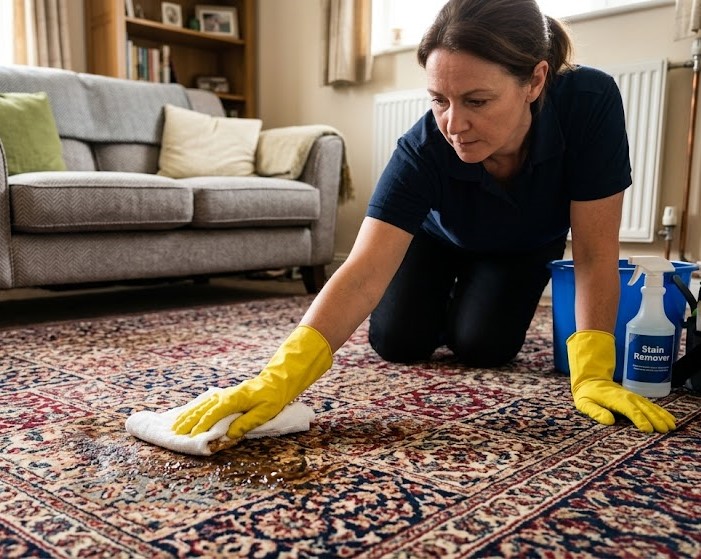
Unpleasant smells that linger after cleaning are often caused by deeper issues within the property rather than surface dirt. In many cases, odours are absorbed into soft furnishings, trapped in moisture, or caused by hidden bacteria that standard cleaning methods cannot fully remove. Understanding these root causes is essential to achieving a fresher and healthier indoor environment.
1. Odours Trapped in Carpets and Soft Furnishings
Carpets, rugs, curtains, and sofas are highly absorbent materials that easily trap smells from cooking, pets, spills, and everyday living. Even after surface cleaning, odours can remain deep within the fibres. Professional carpet cleaning is often required to fully extract embedded dirt and bacteria causing persistent smells.
2. Hidden Moisture and Damp Build-Up
Damp areas behind furniture, under flooring, or around windows can create musty smells that are difficult to eliminate. Moist environments encourage mould growth, which releases strong and long-lasting odours into the air.
3. Poor Ventilation and Stale Air Circulation
Homes with limited airflow tend to trap stale air and odours inside rooms. Without proper ventilation, smells from cooking, cleaning products, and everyday activities can accumulate and become more noticeable over time.
4. Bacteria and Organic Residue Build-Up
Food particles, spills, and organic waste can break down over time and produce unpleasant smells. If not properly sanitised, these residues continue to release odours even after general cleaning has been completed.
5. Incomplete or Surface-Level Cleaning
Standard cleaning methods often focus only on visible areas, leaving behind hidden dirt in corners, upholstery, and under furniture. This can result in recurring odours that seem to return shortly after cleaning is finished.
Hidden Sources of Odours That Make Your Home Smell After Cleaning
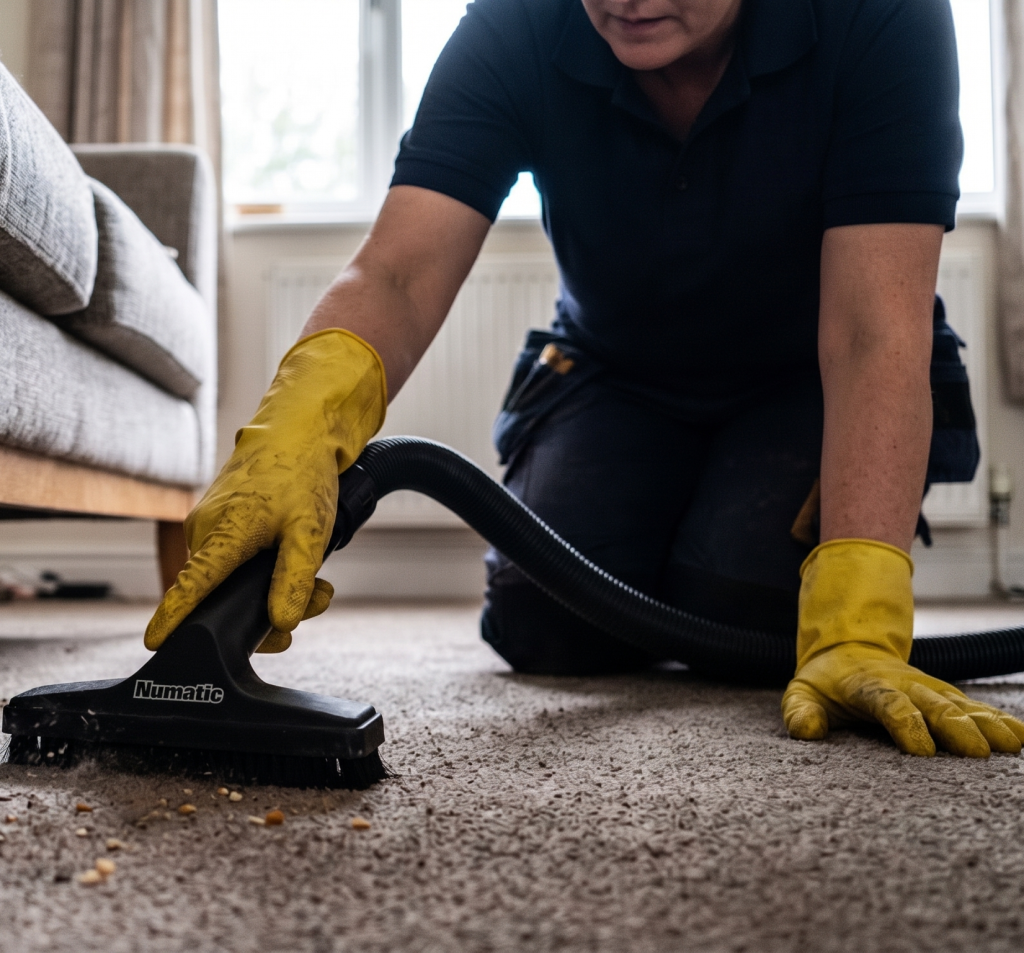
Even when a home looks clean on the surface, unpleasant smells can persist because the real sources of odours are often hidden in less obvious areas. Identifying these hidden problem spots is key to fully eliminating lingering smells and restoring freshness throughout the property.
1. Deep Within Carpet Fibres
Carpets can trap dirt, moisture, food particles, and pet-related odours deep within their fibres. Even regular vacuuming may not reach these layers, which is why smells often return. Professional carpet cleaning helps extract these hidden contaminants effectively.
2. Upholstery and Soft Furniture
Sofas, cushions, and upholstered chairs absorb odours from everyday use, including cooking smells, sweat, and spills. Over time, these materials can hold onto unpleasant scents that are not removed by surface cleaning alone.
3. Behind and Under Furniture
Areas behind wardrobes, sofas, and beds are often overlooked during cleaning. Dust, moisture, and debris can accumulate in these hidden spaces, creating musty odours that spread through the room.
4. Kitchen Appliances and Drains
Food residue inside ovens, microwaves, fridges, and sinks can decompose over time and produce strong smells. Drains can also harbour bacteria and build-up that contribute to persistent kitchen odours.
5. Damp Walls and Hidden Moisture Pockets
Moisture trapped behind walls, under flooring, or around windows can lead to mould growth. This creates a long-lasting damp smell that is often difficult to detect without professional inspection.
6. Air Vents and Poorly Maintained Filters
Air vents, extractor fans, and HVAC systems can circulate stale air and trapped particles throughout the home. If not cleaned regularly, they can become a hidden source of ongoing odours.
How Poor Ventilation Leads to Lingering Household Odours
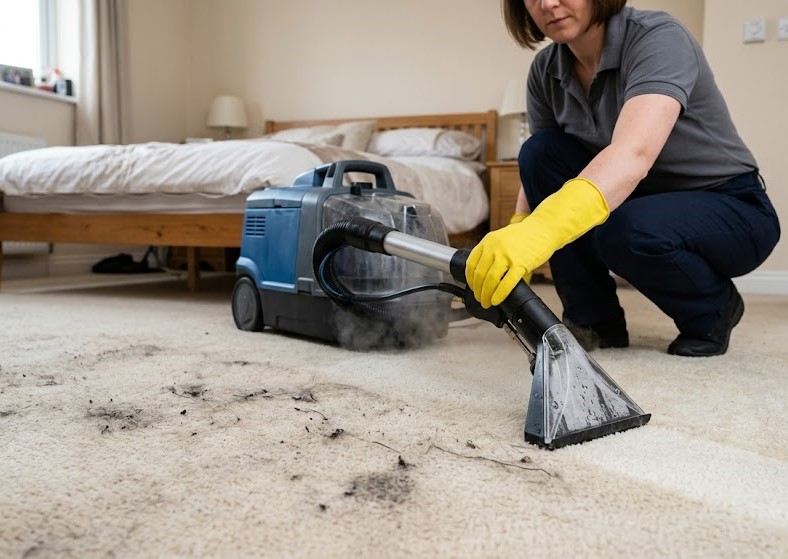
Poor ventilation is one of the most overlooked causes of persistent smells in the home. When fresh air cannot circulate properly, odours become trapped indoors and gradually build up over time, making the property feel stale even after cleaning.
1. Trapped Stale Air in Closed Rooms
Rooms that are frequently kept closed, such as bedrooms or spare rooms, often suffer from stagnant air. Without regular airflow, everyday smells from furniture, fabrics, and cleaning products become concentrated and harder to remove.
2. Build-Up of Cooking and Food Odours
Without proper extraction or open ventilation, cooking smells can linger long after food preparation has finished. These odours settle into walls, curtains, and soft furnishings, contributing to a persistent smell throughout the home.
3. Lack of Air Circulation in Bathrooms and Kitchens
Bathrooms and kitchens are high-moisture areas that require consistent ventilation. When extractor fans or windows are not used effectively, humidity increases, encouraging bacteria growth and unpleasant odours.
4. Increased Humidity Levels Indoors
Poor ventilation leads to higher indoor humidity, which creates ideal conditions for mould and mildew. These growths are a major source of musty smells that can spread across multiple rooms.
5. Odours Absorbed into Soft Furnishings
When air is not properly refreshed, odours are more likely to be absorbed into carpets, curtains, and upholstery. Over time, these materials trap smells that are difficult to remove without deep cleaning such as carpet cleaning.
Effective Methods to Eliminate Bad Smells After Cleaning
Persistent odours in the home require more than basic cleaning techniques. To fully remove bad smells, it is important to use targeted methods that address the root causes rather than simply masking the issue. The following approaches help restore freshness and improve indoor air quality effectively.
1. Deep Cleaning of Carpets and Soft Furnishings
Carpets, rugs, sofas, and curtains often trap odours deep within their fibres. Professional carpet cleaning helps extract dirt, bacteria, and moisture that contribute to long-lasting smells, leaving fabrics fresher and more hygienic.
2. Improving Ventilation and Airflow
Opening windows regularly and using extractor fans helps remove stale air and bring in fresh circulation. Good ventilation reduces humidity levels and prevents odours from becoming trapped indoors.
3. Using Natural Deodorisers
Natural solutions such as bicarbonate of soda and white vinegar can help neutralise mild household odours. These products absorb and break down smell particles without introducing harsh chemicals into the home.
4. Cleaning Hidden and Overlooked Areas
Odours often originate from hidden spots such as behind furniture, under appliances, and inside cupboards. A thorough cleaning routine that includes these areas is essential for complete odour removal.
5. Treating Damp and Moisture Problems
Addressing the source of damp is critical for eliminating musty smells. This may involve drying affected areas, repairing leaks, and improving insulation to prevent moisture build-up.
6. Professional Odour Removal Services
For severe or persistent smells, professional cleaning services provide advanced treatments that target deep-seated odours. These methods ensure a more permanent solution compared to standard household cleaning.
When to Call Professional Cleaners for Persistent Odour Removal
If unpleasant smells continue even after repeated cleaning, it often indicates that the source of the odour is deeper than surface dirt. In many homes, smells become trapped within carpets, upholstery, walls, or hidden moisture areas that require specialist treatment. At this stage, professional intervention is often the most effective way to restore a fresh and hygienic indoor environment. You can learn more about our services at Go Cleaners London.
Professional cleaners use advanced equipment and targeted cleaning methods designed to eliminate odours at their source rather than masking them. This includes deep extraction cleaning for soft furnishings, moisture treatment for damp areas, and specialist deodorising solutions that neutralise persistent smells. These techniques deliver more thorough and longer-lasting results compared to standard household cleaning.
Calling in experts is particularly important when odours are caused by damp, mould, or long-term build-up in carpets and fabrics. A professional assessment ensures the correct treatment is applied, preventing the smell from returning and improving overall indoor air quality. This approach not only removes odours but also helps maintain a healthier living space.