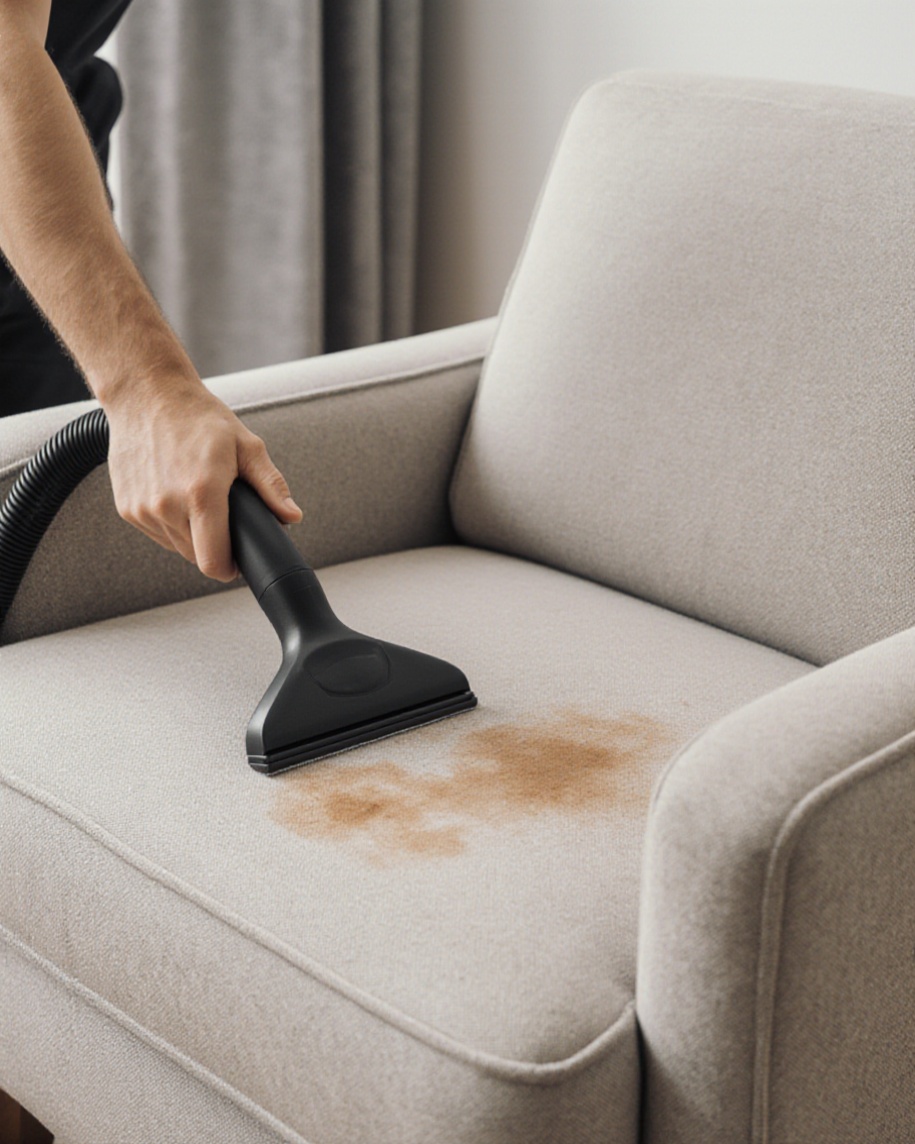
Cleaning your living room carpets and sofas should leave your space feeling fresh, yet many homeowners notice that unpleasant smells return shortly after the process. This issue is more common than expected and is often linked to factors beyond surface-level cleaning. Odours can remain trapped deep within fibres, only becoming noticeable again once moisture and airflow conditions change.
Carpets and upholstery act like filters, absorbing dust, spills, pet-related contamination, and airborne particles over time. When cleaning is not carried out with the correct methods or equipment, these contaminants are not fully removed but instead redistributed or activated. This can lead to lingering smells that persist even after the surfaces appear visibly clean.
Understanding why these odours remain requires looking at how materials behave, how cleaning processes interact with them, and what happens beneath the surface. From fabric composition to moisture retention and hidden contamination, several underlying factors influence whether your living room truly becomes fresh or continues to hold unwanted smells.
What Causes Lingering Odours After Cleaning in Living Rooms
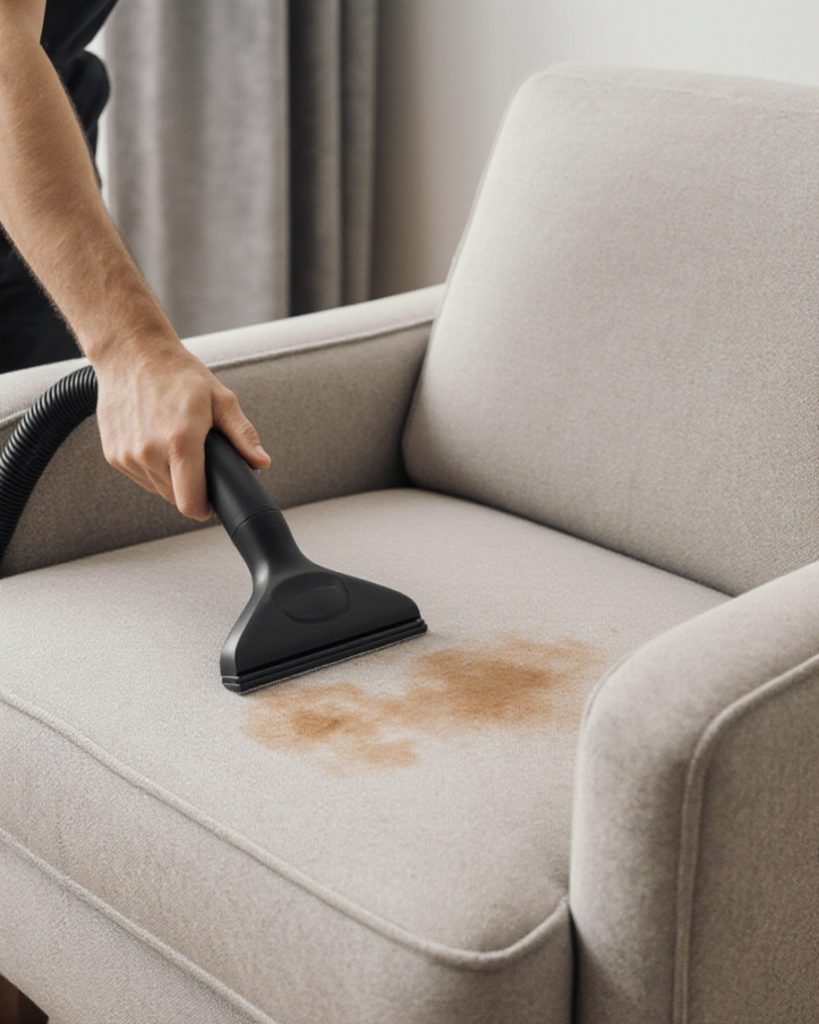
Lingering odours after cleaning are usually caused by contamination that remains embedded beneath the surface of carpets and upholstery. While visible dirt may be removed, deeper layers often still contain bacteria, organic residue, and moisture that continue to produce unpleasant smells. This is especially common in high-traffic living rooms where repeated use leads to gradual build-up over time.
One of the main issues is incomplete extraction during the cleaning process. When water, detergent, and loosened dirt are not fully removed, they remain within the fibres and backing materials. This creates an environment where odour-causing bacteria can develop, particularly in carpets that retain moisture for extended periods. Without proper carpet cleaning, these deeper contaminants are rarely eliminated effectively.
Another contributing factor is the reactivation of existing residues. Substances such as pet urine, food spills, and smoke particles can remain dormant in dry conditions but release strong odours when exposed to moisture during cleaning. This is why smells often seem worse after cleaning, even though the intention was to remove them.
How Upholstery and Carpet Materials Trap and Retain Smells
Different upholstery and carpet materials behave in unique ways when exposed to dirt, moisture, and odour-causing substances. Natural fibres such as wool and cotton tend to absorb liquids more readily, allowing smells to penetrate deeper into the structure. Synthetic fibres may resist absorption at first, but they can still trap fine particles and oils within tightly woven surfaces.
The internal structure of carpets and upholstery also plays a major role in odour retention. Dense pile carpets, layered rugs, and cushioned sofa fillings create multiple levels where contaminants can settle. Once these particles enter deeper layers, they become significantly harder to remove through surface cleaning alone, especially without targeted extraction methods.
Backing materials and underlayers further contribute to the problem by holding moisture and preventing full airflow. In many cases, the smell is not coming from the visible surface but from the deeper padding or base layers. This is why certain living room odours persist even after repeated cleaning attempts.
Moisture, Heat and Drying Failures That Lead to Bad Smells
Moisture retention is one of the most common reasons living rooms continue to smell after cleaning. When carpets and upholstery are not dried properly, trapped water remains deep within fibres and cushioning layers. This creates an environment where bacteria and odour compounds can develop over time, even if the surface appears dry.
Heat can also intensify odour problems by accelerating microbial activity within damp materials. In poorly ventilated rooms, warm air combined with residual moisture leads to faster bacterial growth, which produces stronger and more persistent smells. This is especially relevant for soft furnishings, where airflow is naturally restricted.
Upholstery is particularly vulnerable due to its layered construction and foam-based interiors. Once moisture enters these deeper sections, it is difficult to remove without specialist methods. Professional upholstery cleaning is often required to properly extract embedded moisture and restore hygienic conditions within the fabric structure.
Hidden Contamination in Carpets, Rugs and Sofas
Many lingering odours originate from contamination that is not visible on the surface. Carpets, rugs, and sofas can all trap fine particles deep within their fibres, including food residues, body oils, and airborne pollutants. Over time, these materials break down and contribute to persistent smells that regular surface cleaning cannot reach.
Rug backings and carpet underlays are common problem areas where moisture and dirt accumulate unnoticed. These layers often remain untouched during routine cleaning, allowing odour sources to persist even after visible areas appear clean. In high-use living rooms, this hidden build-up becomes more pronounced.
Sofas and upholstered furniture also contain internal padding that absorbs spills and moisture. Once contaminants reach these deeper layers, they are difficult to extract without targeted methods. This hidden contamination is one of the main reasons living room odours continue to return after cleaning.
Why DIY Cleaning Methods Often Fail to Remove Odours
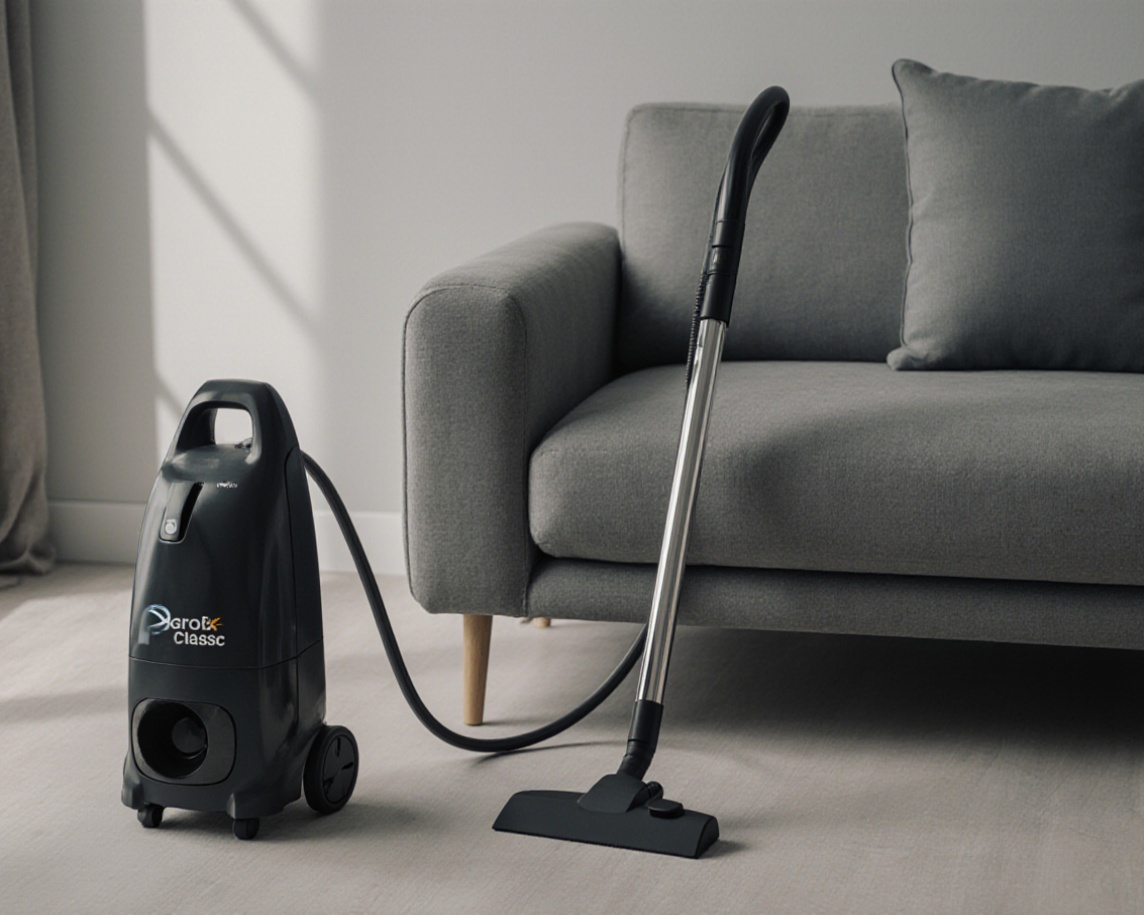
DIY cleaning methods often focus on surface-level results, which means they do not address contamination trapped deep within carpets and upholstery. While stains and visible dirt may improve, underlying bacteria and residue usually remain untouched, allowing odours to persist.
Household equipment typically lacks the suction power required to fully extract moisture and dissolved contaminants. As a result, carpets and sofas may appear clean but still contain damp layers that contribute to recurring smells once drying begins.
Incorrect product use is another common issue, as many domestic cleaners rely on strong fragrances rather than true odour neutralisation. These products can mask smells temporarily but do not eliminate the source, leading to the same odour returning over time.
How Professional Cleaning Eliminates Odours at Fibre Level
Professional cleaning targets odours at their source by using controlled extraction methods that penetrate deep into carpet and upholstery fibres. This allows embedded dirt, bacteria, and moisture to be removed rather than simply treated at the surface level, resulting in more effective and longer-lasting freshness.
Specialist equipment is designed to apply and remove cleaning solutions in a balanced cycle, ensuring contaminants are lifted and fully extracted. This reduces the risk of residue build-up and prevents reactivation of odours caused by leftover moisture or cleaning agents.
Advanced upholstery cleaning techniques also focus on treating internal padding and fibre layers where odours often persist. By addressing these deeper zones, professional methods restore hygienic conditions throughout the entire material structure, not just the visible surface.