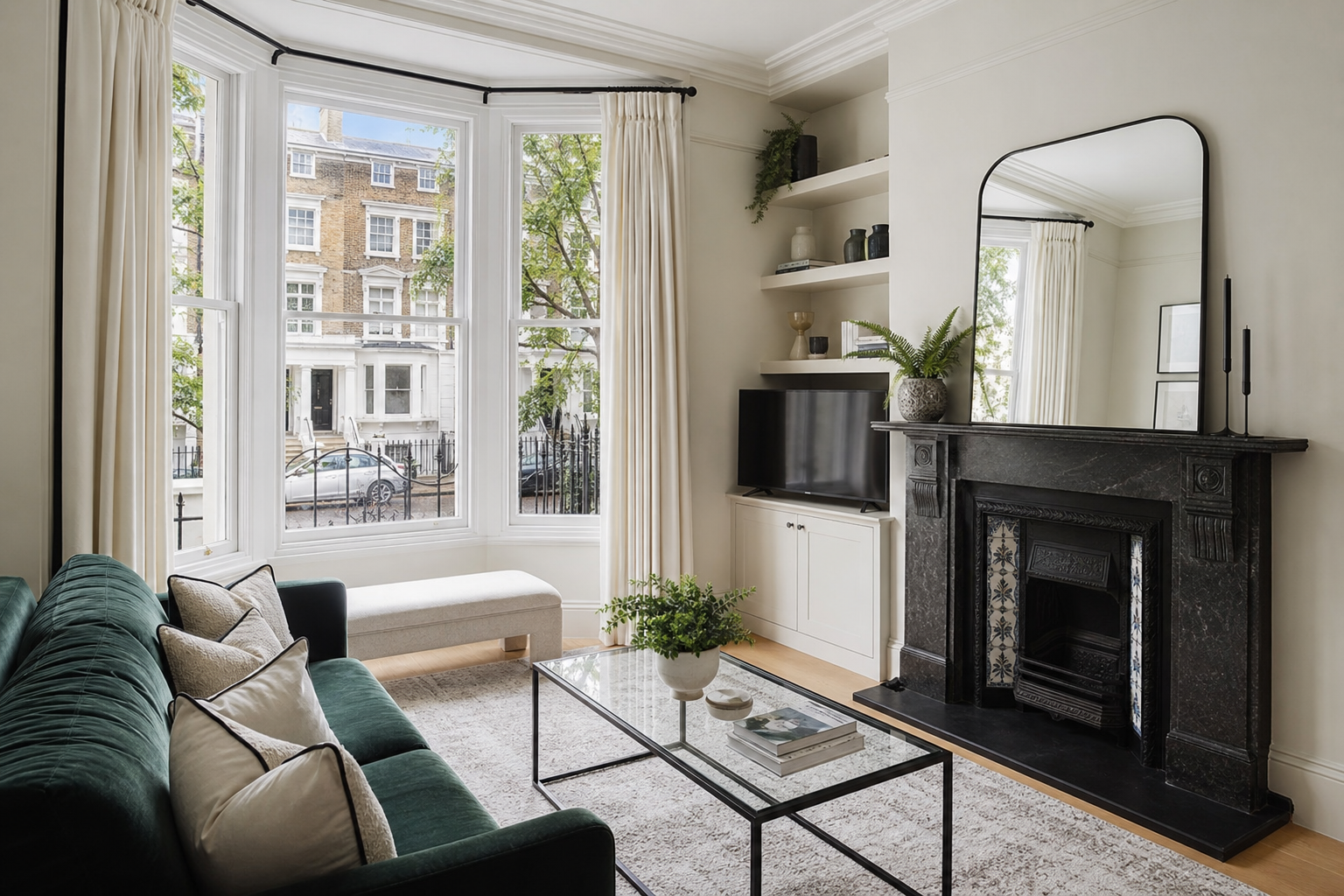
Camden and Islington short-term lets often run on narrow handover windows, especially at weekends. If you host back-to-back bookings, Airbnb turnaround cleaning in London needs more than a generic tidy: you need a repeatable flow, a time budget you can actually hit, and a verification routine that protects guest experience.
Use the plan below as a practical timetable and checklist. It’s designed to help you decide quickly whether to DIY, how to split tasks between people, and what to prioritise for a clean, safe, photography-ready finish.
1. Quick decision: should you attempt a DIY turnaround?
Before you start, decide in two minutes whether a DIY turnaround is realistic. The wrong call usually leads to rushed bathrooms, missed details, and last-minute stress.
Decision flow (simple)
- If your window is under 90 minutes for a typical 1-bed (or you’re alone): plan for a two-person team or book same day changeover cleaning.
- If there are stains, heavy rubbish, strong odours, or party signs: favour a professional clean (you’ll lose time troubleshooting and re-cleaning).
- If you have 90–180 minutes and the flat is in light/normal condition: an experienced host can manage a studio or small 1-bed; a two-person team can manage a 1–2 bed more comfortably.
- If you must photograph or refresh listing images the same day: add 10–15 minutes buffer (staging + lighting checks).
Factors that increase pro value
- Back-to-back weekend bookings (little margin if anything runs late).
- Soft-furnishing problems: noticeable upholstery marks, carpet spots, pet hair build-up.
- Recurring feedback about dust, bathroom limescale, or kitchen grease.
- Operational constraints: no on-site laundry, limited parking/loading, multiple sets of keys to coordinate.
If you’re weighing up a last-minute booking, see When same‑day cleaning is worth booking (London) for practical scenarios and trade-offs.
2. Weekend turnaround time budgets — sample timetables
These timetables assume you already have supplies on-site and a standard linen set ready. If you need to run laundry between guests, your timeline expands quickly (often the biggest hidden delay).
30–60 minute express (studio / light tidy)
Use only when the property is genuinely light-use (no cooking mess, bathroom in good condition). Prioritise “guest-impact” over perfection.
- 0–10 min: Open windows, turn on lights, quick scan for damage/lost items, collect rubbish and remove leftover food.
- 10–25 min: Strip bed(s), replace linen, wipe bedside surfaces, quick dust of obvious marks.
- 25–40 min: Bathroom: sanitise toilet, wipe sink/taps, quick shower screen wipe, replace towels/toiletries.
- 40–55 min: Kitchen: wipe worktops, sink, hob surface; check fridge for leftovers; replace bin liner.
- 55–60 min: Fast vacuum (centre paths), final reset: cushions straight, remote in place, quick mirror wipe.
90 minute standard (1‑bed typical)
This is the most common rapid cleaning plan for an Airbnb host in London. The key is staggering tasks so rooms “dry” while you work elsewhere.
- 0–10 min: Ventilate, lights on, rubbish/leftovers out, start with bedrooms (strip linen immediately).
- 10–35 min: Bathroom deep focus: toilet, sink, taps, mirrors, shower/bath surfaces, floor spot clean.
- 35–60 min: Kitchen: clear/wipe counters, degrease hob splash zone, sink and draining area, microwave spot clean, bin reset, restock basics.
- 60–75 min: Make beds crisply, check under-bed area, wipe wardrobe handles, quick dust visible surfaces.
- 75–85 min: Vacuum throughout (edges in bedroom/living room), quick mop if needed (kitchen/bath).
- 85–90 min: Final pass: glass/mirror touch-ups, staging reset, safety/hygiene hotspots, 6–8 photos.
If you’re unsure what a “deep clean” realistically takes beyond a changeover, use How much time does a deep clean take — room‑by‑room breakdown to plan periodic resets.
180 minute deep changeover (larger or heavy soiling)
Choose this after long stays, heavy cooking, pets, or when you’ve had a run of bookings and standards have slipped. If you’re solo, split into two 90-minute loops (wet areas first, then dry areas).
- 0–15 min: Ventilate, rubbish out, strip beds, start a “lost property” tray, load dishwasher (if available).
- 15–60 min: Bathroom(s): descale touchpoints, detail around taps/drains, hair/debris removal, floors properly cleaned.
- 60–110 min: Kitchen: hob and splashback, microwave interior, inside fridge spot check, cupboard fronts handles, bins, floor.
- 110–140 min: Dusting loop: skirtings, obvious ledges, lampshades (lightly), switches/handles, glass and mirrors.
- 140–165 min: Floors: thorough vacuum edges + under furniture where possible; mop hard floors; spot treat marks.
- 165–180 min: Staging + verification: beds, cushions, final smell check, safety checks, photo log.
Two-person option: Person A runs bathrooms + beds; Person B runs kitchen + living areas; both finish on floors and staging together.
3. Room‑by‑room rapid checklist (priority order)
For weekend changeovers, prioritise in the sequence below to prevent rework: beds → bathrooms → kitchen → living areas → floors → final touchpoints. This order reduces “cleaning over” newly cleaned zones.
Bedrooms (top priorities)
- Strip beds immediately; bag used linen and keep it away from clean items.
- Check mattress protector is fitted and clean; quick wipe bedside tables (rings/marks).
- Make beds crisp (tight corners, pillows aligned). A well-made bed is a high-impact visual cue.
- Open curtains/blinds for natural light; quick dust of visible surfaces.
- Quick vacuum around bed edges and obvious dust lines.
Bathrooms
- Sanitise toilet (rim/seat/flush area), then sink and taps, then shower/bath surfaces.
- Wipe mirrors and chrome; polish taps quickly to remove water marks.
- Remove hair from drains and corners; check for visible mould spots and treat if safe/appropriate.
- Replace towels, toilet roll, soap; empty bin and fit a fresh liner.
- Floor: spot clean first, then full quick mop if time allows.
Kitchen
- Bins out first (food smells kill first impressions). Replace liner.
- Clear and wipe worktops and splashback; sanitise high-touch points (handles, kettle handle, fridge handle).
- Hob: remove grease film; check knobs and control panel area.
- Microwave: quick steam-wipe if splattered; check for crumbs.
- Fridge: remove leftovers; spot-wipe shelves if sticky; ensure it smells neutral.
- Restock basics you provide (e.g., tea/coffee, washing-up liquid, sponge/cloth if you supply them).
Living room & hall
- Declutter surfaces (tables, shelves, window sills). Remove stray chargers, bottles, receipts.
- Dust obvious areas: TV stand, coffee table, skirtings near seating.
- Upholstery: quick check for crumbs/pet hair; lint roll if needed.
- Return remotes, guest info, and keys to standard positions.
- Entry: wipe door handles, check doormat, clear shoe marks if visible.
For a fuller professional-style checklist (useful for training a regular helper), see Room‑by‑room guide for a professional standard clean.
4. Photography‑ready priorities: what to fix first
Camden and Islington listings compete heavily on first impressions. “Photo-ready” doesn’t mean a full re-style; it means removing anything that reads as messy or dull in the first five seconds.
Top five visual fixes
- Light: open curtains, switch on lamps, replace any dead bulbs (keep spares on-site).
- Beds: crisp linen, pillows aligned, no visible creases or stray hairs.
- Clutter: clear kitchen counters and bedside tables; hide cables where possible.
- Glass/mirrors: quick wipe of bathroom mirror and any obvious fingerprints on glass.
- Soft furnishings: plump cushions, straighten throws, align rugs.
If you want a little more guidance on cleaning and staging for better images, use Cleaning for better listing photos: prep a London rental.
5. Guest safety & hygiene quick checks
A good changeover includes a brief safety and hygiene routine. Keep it simple and consistent so it’s done every time, even when you’re rushing.
Safety checklist (fast)
- Smoke/CO alarms: visually confirm they’re present, intact and batteries are fitted (follow manufacturer guidance for testing where applicable).
- Locks: confirm the main door lock works smoothly; check windows you allow guests to open.
- Trip hazards: straighten mats/rugs, remove loose items from walkways.
- Lighting: quick check the main room and bathroom lights work.
Hygiene hotspots to sanitise
- Front door handle and internal door handles
- Light switches (hallway, bathroom, bedside)
- Remote controls and frequently used device buttons
- Kettle handle, fridge handle, microwave handle
- Taps and toilet flush area
For commonly missed areas, use The critical areas you may be forgetting to sanitise as a reference list.
6. Supplies, kit and staging checklist
Weekend turnarounds fail more often from missing supplies than from difficult cleaning. Keep a labelled “turnaround kit” stored in one cupboard so you’re not hunting across the flat.
Essential cleaning kit
- Microfibre cloths (colour-coded if possible: kitchen/bath)
- Multi-surface cleaner and glass cleaner
- Disinfectant wipes or suitable sanitiser spray
- Toilet cleaner and toilet brush
- Vacuum (with a working head) and a mop/bucket or spray mop
- Rubbish bags, bin liners, spare sponges/cloths (if you provide them)
- Spare bedding and towel sets (at least one full spare set per bed is ideal for tight windows)
Staging extras
- Spare lightbulbs (warm/neutral to match your fixtures)
- Batteries for remotes/locks (as applicable)
- A small plant/vase (optional) and a tidy tray for guest info
- Phone tripod or stable stand if you take quick post-clean photos
7. When to book a professional: pragmatic triggers
Sometimes the most cost-effective choice is protecting your time, your reviews, and your weekend sanity—especially with Airbnb turnaround cleaning London schedules.
Immediate triggers
- Under 90 minutes for a 1-bed changeover and you’re working alone
- Stains on carpets, sofas, mattresses, or visible limescale build-up that won’t shift quickly
- Persistent odours (smoke, bin smell, cooking grease) that need targeted treatment
- After a party or signs of heavy use (glitter, confetti, sticky floors, overflowing bins)
- Multiple check-ins the same weekend where a delay risks late entry or complaints
Value triggers
- High-value dates: if a poor clean risks a cancellation or a bad review, getting help is often the practical option.
- Standards drift: if you keep “catching up” each week, schedule a deeper professional reset monthly/quarterly.
- Access complexity: key handovers, concierge coordination, or building rules that make DIY impractical.
For more context on when it’s sensible to book help, read When same‑day cleaning is worth booking (London). Also note the reality of weekend availability—Why same‑day cleaners can be difficult to find in London explains why planning ahead matters.
8. Handover, verification & record keeping
A fast verification routine prevents disputes and helps you improve your process over time. Keep it consistent and simple so you’ll actually do it.
Quick photo log
- Take 6–8 timestamped photos: bedroom(s), bathroom(s), kitchen worktop/hob, living room wide shot, and an entry shot.
- Include one “detail” photo: made bed corner, clean sink/taps, or a clean hob close-up.
- Store in a dedicated album/folder per booking date (cloud-backed if possible).
Short checklist to leave for guests
- Wi‑Fi details and a clear check-in message
- Where to find spare towels/bedding (if provided)
- Bin guidance (especially relevant in Camden/Islington where collections and recycling can vary by street/building)
- Emergency contact and any building access rules
Tip: If you outsource cleaning, ask for a simple tick-sheet plus “issues spotted” notes (missing items, damage, low stock). It saves time on your next visit.
9. Common problems and quick fixes
These are the issues that most often derail a smooth changeover. The goal is not perfection—it’s preventing a guest from walking in and immediately noticing a problem.
Odours
- Ventilate immediately: windows open, internal doors open, extractors on where available.
- Bins: clean liner, wipe bin lid/rim, and don’t leave any food waste inside.
- Soft furnishings: vacuum upholstery quickly; if safe for the material, a light fabric freshen can help, but avoid heavy fragrances that guests may dislike.
- If the smell persists, plan a targeted deeper clean (carpets/upholstery). For practical home odour steps, see How to get rid of unpleasant odours in the house.
Last‑minute stains
- Blot, don’t rub (especially on upholstery and carpets). Rubbing often spreads the stain and pushes it deeper.
- Use a fabric-appropriate spot cleaner and test in an inconspicuous area first.
- If you’re unsure, focus on making the rest of the space excellent and book specialist treatment rather than risking damage.
Missing items (remote, keys, small guest essentials)
- Keep a small on-site “spares box”: batteries, a basic universal remote (if suitable), spare lightbulb, spare phone charger, and extra bin liners.
- Standardise where items live (one drawer/box). Time is lost hunting across rooms.
Late check-outs / early check-ins
- Have an “express baseline” you can deliver reliably (beds, bathrooms, kitchen surfaces, floors, touchpoints).
- If the window collapses, communicate early and consider booking help rather than rushing and missing essentials.
Contact the team for practical advice: If your Camden or Islington weekend changeovers regularly run tight, Go Cleaners London can help you pressure-test your plan or support with a same-day clean when needed. Learn more or request a quick quote at https://gocleanerslondon.co.uk.