
Acton /
Local End of Tenancy Cleaning in Acton
- End of tenancy cleaning for flats, houses and managed rentals in Acton
- Appliance cleaning and other additions confirmed before quotation
- Access and timing checked against the full property postcode


End of tenancy cleaning in Acton planned around the inspection
Moving out of a Acton property creates a fixed sequence: removals, cleaning, drying, evidence photographs and key return. That sequence needs adapting for terraces, converted houses, estates and new apartment blocks rather than compressed into a universal checklist. Inventory wording should identify appliances, cupboards, bathrooms, internal glass, flooring and furnished items that will be inspected after the property is empty.
Local access needs its own plan. busy arterial roads, controlled bays, communal stairs and concierge procedures can affect arrival and the route for equipment. Keys, floor level, alarm instructions, waste arrangements and any lift or concierge rules should be confirmed before the appointment. Removals should be substantially complete so cleaners can reach edges, wardrobes and appliance spaces without repeatedly moving personal belongings.
Materials also change the method. compact kitchens, shared entrances, fitted carpets and modern bathrooms may sit within the same home, and products suitable for one finish can mark another. Limescale, grease and adhesive residue should be assessed separately from scratches, failed sealant or contractor defects. Cleaning can improve removable soil; it should not disguise damage or promise that permanent wear will disappear.
A final room-by-room review is valuable once surfaces are dry. Tenants can use the landlord inspection simulator to check common deposit-risk points before the clerk or agent arrives. If carpets require extraction, drying time should be built into the schedule rather than left until the final hour. The wider carpet cleaning in Acton page provides relevant local context for related access or floor-care decisions.
For a clearer Acton handover, photograph cleaned appliances, bathrooms, cupboards and floors after completion, retain the invoice and report maintenance issues separately. This creates a more useful record than last-minute cosmetic work. The aim is an inspectable Acton property aligned with the documented tenancy standard, with enough time remaining to resolve any genuinely missed cleaning detail before keys are returned.

Useful planning for an end of tenancy clean in Acton
A multi-floor property needs a directional route. When upper rooms are empty first, begin at the highest released level and work toward the exit. Keep stairs free from boxes and protect any completed landing. For Acton, the room sequence should reflect the actual larger houses, furnished flats and older converted properties, not a one-floor checklist copied from another address.
A fixed inspection changes the timetable. When keys or an inventory clerk are due at a set hour, the Acton plan works backwards from that appointment. Wet floors, shower screens and extracted carpet need time to settle. The final review should happen before the key journey, leaving a practical window to verify an accessible omission without rushing photographs or ventilation.
The exit route should be cleaned last. Work from released rooms toward the door and avoid carrying equipment across a finished floor. Where a lawful unloading point, shared access and the checkout deadline affects movement, preserve the approved route until machines and products leave. The final pass can then cover visible edges, locks and the entrance without immediate re-soiling from removals or contractor traffic.
Balcony tracks need an access decision. Internal door faces and reachable tracks may be included, while exterior glass can depend on height, wind and building permission. For Acton, state exactly which side is accessible. This prevents an unsafe method being improvised simply because balcony glazing appears prominently in the inventory photographs.
A second kitchen or utility area must be named. Larger homes can include a pantry, boiler cupboard, washing-machine recess or additional cooking equipment. Photographs may not reveal every interior. The Acton room list should identify these areas and confirm when they will be empty, allowing the quotation and final checklist to use the same boundaries.
Reception rules can shorten the usable window. Contractor registration, lift protection, vehicle details and sign-out procedures should be sent before travel. A building may advertise long opening hours while restricting service access. The Acton booking therefore records the approved route and a contact who can respond if the lift or key desk is unavailable.
The inventory defines visible priorities. Give utility cupboards, second appliances and multi-floor sequencing a separate line instead of relying on a general deep-clean label. The signed document may highlight storage, appliance cavities or floor edges that need comparable evidence. At Acton, clear wording helps the team allocate time and gives the final reviewer a practical list rather than an undefined standard.
Carpet work belongs early in the sequence. Extraction adds moisture and drying time, so it should not be placed at the key-return minute. Confirm ventilation, fibre condition and which rooms are fully released. The Acton inspection can then judge settled carpet rather than damp pile, fresh footprints or furniture returned before the surface is ready.
Key travel belongs after the review. If keys return to an office, porter or remote landlord, include that journey in the timetable. The cleaner should not abandon ventilation or completion photographs to meet a deadline that ignored travel. A named Acton handover route keeps property inspection and physical key delivery as two clear stages.
Price changes should be documented before arrival. Extra rooms, furnished contents, carpet treatment and additional appliances can alter the scope. Send revised photographs when removals reveal areas that were previously hidden. The Acton quotation can then show the agreed addition openly instead of leaving the team and key holder to negotiate while the checkout clock is running.
Scenario: furnished checkout. Personal belongings leave, but inventory furniture remains. Photograph its position, agree which light items can move and protect fragile pieces. The Acton checklist should focus on accessible edges, visible floor routes and utility cupboards, second appliances and multi-floor sequencing, without promising to dismantle beds, shift unsafe wardrobes or expose surfaces that cannot be reached responsibly.
Scenario: an early room release. The upper rooms become empty before the rest of the Acton property. Start there, keep the stair route protected and postpone the entrance floor until removal traffic ends. This gives completed bedrooms time to settle while the kitchen remains in use, and prevents boxes from being carried back across a finished surface.
Scenario: carpets and a same-day handover. Extraction starts only after movers leave the relevant rooms. Windows or approved ventilation remain available and nobody replaces furniture on damp pile. The Acton key holder reviews other dry areas first, returning to carpet last so the final photographs represent a settled surface rather than active work.
Scenario: defects appear after furniture leaves. A sofa or wardrobe can reveal dents, fading, dust lines and previous repairs. Photograph the newly exposed area before touching it, then distinguish removable residue from permanent change. The Acton contact decides whether accessible edges join the written scope; heavy furniture is not moved again merely to improve a photograph.
Scenario: a visible issue is outside cleaning. A cracked worktop, missing shelf or loose tap may dominate the room, but ordinary residue around it can still be treated safely. Photograph the defect, avoid worsening it and notify the Acton contact. The final checklist then shows completed cleaning without disguising a repair need as a missed task.
Scenario: the checkout standard arrives late. If an agent sends extra inventory notes after quotation, compare them with the agreed list before work begins. New appliance interiors, storage or carpet treatment require a transparent addition. The Acton team should not absorb an undefined last-minute checklist that changes time, products and evidence without confirmation from the booking contact.
Acton handover case 1. Rain affects the outdoor carrying route, so mats and a delayed threshold clean protect the final result. A utility recess contains a second refrigerator and boiler cupboard, each receiving its own inclusion decision rather than a vague room label. Paint transfer beside a removal route is assessed separately from dust because cleaning cannot safely guarantee redecoration. Inventory wording and quotation wording are compared before sign-off so appliance and storage boundaries remain consistent. The key holder confirms that no resident will reuse completed rooms while the final evidence is being assembled.
Acton handover case 2. The porter releases service access only after removals sign out, preventing cleaners and furniture from competing for the same lift. Bedrooms are empty first, allowing wardrobes, skirting edges and the upper bathroom to be finished before work moves downstairs. Loose bathroom fittings are isolated from normal cleaning and reported to the representative before pressure is applied around them. The checklist distinguishes inaccessible contents, explicit exclusions and completed tasks so every remaining mark has a readable context. The contact saves the room checklist before releasing keys, preserving a clear boundary between cleaning, damage and later tenancy decisions.
Acton handover case 3. The agent holds one set of keys and the tenant another; the booking names the person with authority to release every included room. The inventory identifies an oven, fridge and dishwasher interior, avoiding the false assumption that one kitchen phrase includes every appliance. Delicate metal trim receives a material-appropriate wipe while corrosion and permanent colour change remain visible condition issues. Before photographs use the inventory viewpoints, and the same angles are repeated only after loose equipment and moisture have cleared. One authorised person accepts the checklist, preventing a late arrival from adding work that was never included in the quotation.
Acton handover case 4. A steep stair and narrow landing require one planned equipment movement with communal escape space kept clear. The living room is released after the sofa leaves, exposing floor marks that are photographed before ordinary dust is removed. Historic timber coating is tested conservatively, separating removable marks from wear that belongs in the landlord maintenance record. A defect seen only after drying is added to the maintenance note without reopening unrelated rooms or changing the completed scope. The cleaner flags inaccessible storage before departure, while the representative decides how remaining possessions will be handled.
Acton handover case 5. The inventory clerk has fixed a morning review, so access, unloading and drying are planned backwards from that appointment. The downstairs cloakroom is named alongside the main bathroom, preventing a small but inspectable room from disappearing from the quote. Adhesive shelf labels require approval because forceful removal could lift the fitted storage finish beneath them. The final evidence includes the protected entrance after all contractor traffic has ended, not while boxes are still crossing it. The alarm is reset only after the side route and main entrance are secured according to the written access note.
SCOPE / CONFIRM BEFORE BOOKING
What end of tenancy cleaning covers at this address.
Included when agreed
- Accessible rooms and fittings
- Kitchen cupboards and appliance exteriors
- Bathroom descaling where suitable
- Floors, edges and reachable internal surfaces
Not automatically included
- Repairs or redecoration
- Inventory clerk services unless listed separately
- Unagreed carpet, upholstery or exterior work

PRICING / CLEAR STARTING POINTS
End of Tenancy Cleaning price guide for Acton.
The guide separates common end of tenancy cleaning scopes so the starting figure is easier to compare. The final scope for the Acton address also records access, condition and agreed additions.
01
Room in shared accommodation
From £65
Published starting point for an agreed room scope
02
Studio
Quotation
Priced from rooms, condition and agreed appliance work
03
1 Bedroom
Quotation
One bedroom, kitchen, bathroom and shared rooms
04
2 Bedrooms
Quotation
Two bedrooms plus the agreed shared-room scope
05
3 Bedrooms
Guide up to £280
Published guide before additions and access checks
06
4+ Bedrooms
Quotation
Priced from the layout and handover scope
Prices are guide prices.
Final quotation depends on the property, condition and requirements.
SERVICE TEAMS / THE AGREED WORK
Cleaning support matched to the rooms, surfaces and handover.

End of tenancy cleaning team
Tenancy handovers organised around the inventory, landlord or letting-agent requirements, appliance additions and the key-return deadline.

Regular domestic cleaning team
Recurring support for kitchens, bathrooms and living spaces, with household priorities agreed for weekly or fortnightly visits.

Window and surface care team
Reachable glazing, frames and sills planned around height, apartment access, neighbouring surfaces and a safe working route.

One-off cleaning team
Single-visit cleaning for moving in, seasonal resets, special occasions or post-renovation tidying, prioritised from the condition on arrival.
The final team and task list are confirmed from the chosen service, property layout, safe access route and available visit time.
A practical sequence for the Acton checkout
01
Read the evidence
Match the inventory and checkout instructions to the rooms that will remain accessible.
02
Identify materials
Flag delicate finishes, previous treatments and visible damage before work starts.
03
Confirm additions
Name appliance interiors, furnished items, carpet extraction and internal glazing in writing.
04
Allow settling time
Ventilate damp areas and avoid judging floors or carpets while they are still wet.
PREPARATION / BEFORE THE VISIT
Prepare the Acton address without pre-cleaning it.
- Confirm the entrance and any requirement involving street-specific parking controls.
- List the rooms or items covered by end of tenancy cleaning.
- Point out sensitive finishes, pets, alarms and anything that must not be moved.
- Agree the key return, completion contact and any building time restriction.
VISIT / HANDOVER
Check the end of tenancy cleaning handover room by room.
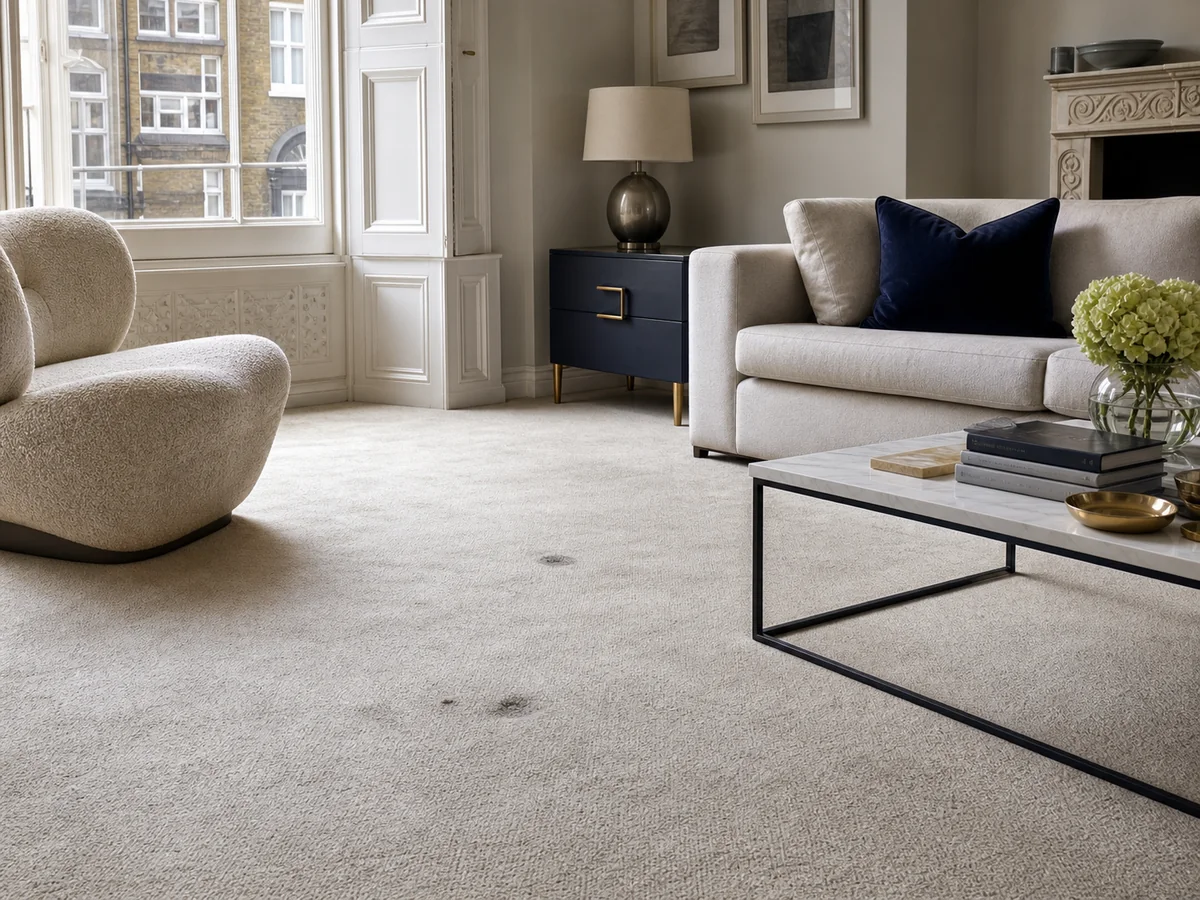
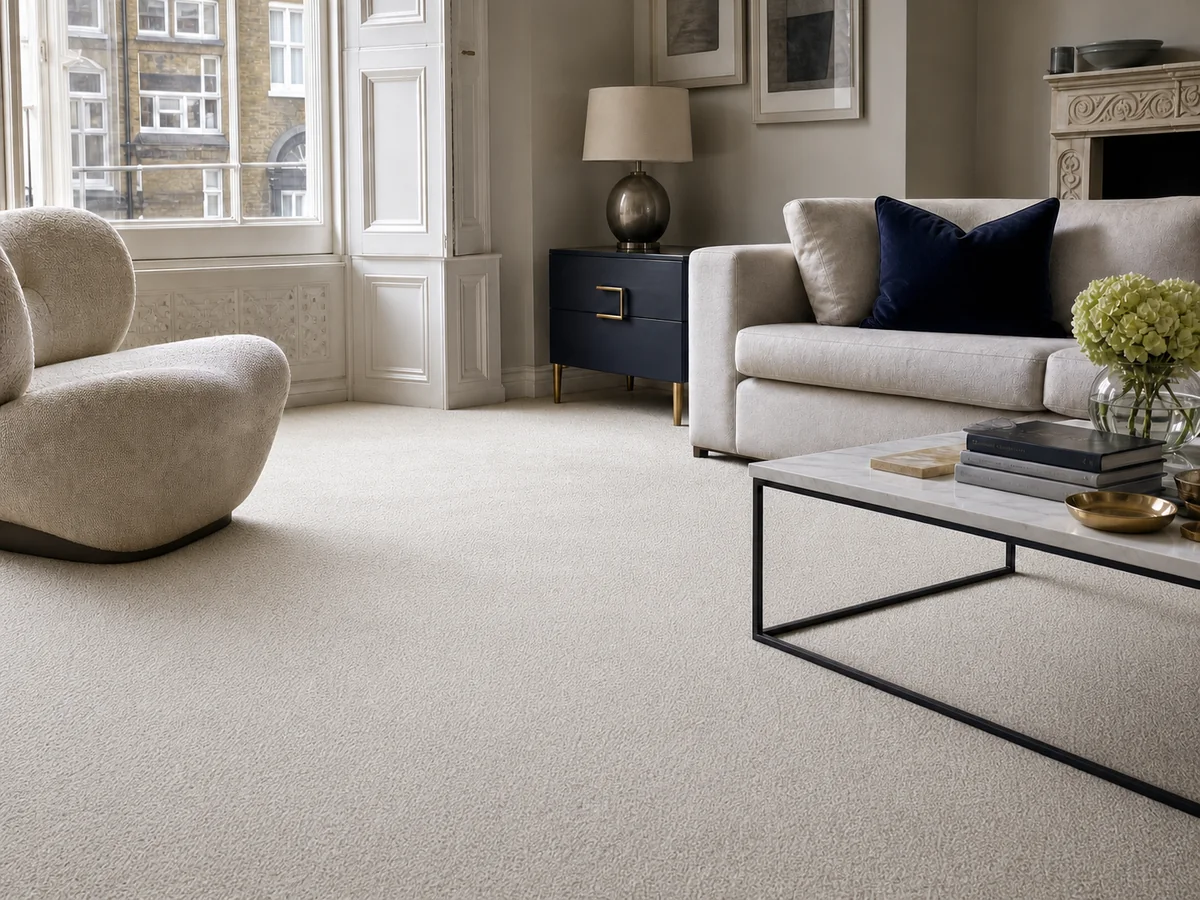
The handover follows the same room and task list agreed before work begins.
Appliance interiors need named inclusion in Acton
An oven, fridge or dishwasher is not automatically covered simply because it remains in the kitchen. List each included appliance, remove food and identify electrical or mechanical faults separately from cleanable residue.
Furnished rooms need a movement agreement in Acton
Light accessible items may be discussed, but heavy wardrobes, fragile pieces and unsafe furniture are not assumed to move. Confirm what remains, what is protected and which edges can be reached.
Waste removal is not hidden inside cleaning in Acton
Ordinary loose rubbish should be cleared before arrival. Bulky disposal, hazardous material and abandoned furniture require separate authority, handling and pricing.
Multi-floor homes need a closing sequence in Acton
Work should progress so cleaned rooms remain accessible and equipment can leave safely. The final check can then follow a logical floor order without tracking across completed surfaces.
MAP / COVERAGE CONTEXT
Route planning for end of tenancy cleaning in Acton.
Coverage context for Acton. This map does not represent a staffed local office.
RELATED SERVICES / SAME AREA
Related services in Acton
NEARBY AREAS / SAME SERVICE
End of Tenancy Cleaning near Acton
Questions to settle before the Acton handback
Are exterior windows included?
Not automatically. Safe access, height and the exact glazing faces must be agreed separately.
Must removals finish first?
Yes where practical. A substantially empty property gives access to edges, cupboards and fittings and reduces interruption.
Can permanent marks be removed?
No result can be guaranteed where fibres or finishes have changed permanently. Damage and wear should be recorded separately.
What access details are needed?
Provide the exact entrance, floor, lift or stairs, parking or unloading arrangement, entry code and key holder.
When should completion photographs be taken?
After cleaned surfaces are dry enough to show their settled condition in useful light.
Send the Acton inventory and key-return deadline
Describe larger houses, furnished flats and older converted properties, utility cupboards, second appliances and multi-floor sequencing and a lawful unloading point, shared access and the checkout deadline. The quotation can then follow the actual handover evidence rather than a generic area checklist.