
Kew Gardens / TW9
Carpet Cleaning Kew Gardens: Care Planned from the Textile Outwards
- Use of the room discussed before equipment is positioned
- Books, papers and delicate belongings kept outside the work zone
- Cleaning stages sequenced to preserve safe access
- Drying advice matched to the textile and room conditions
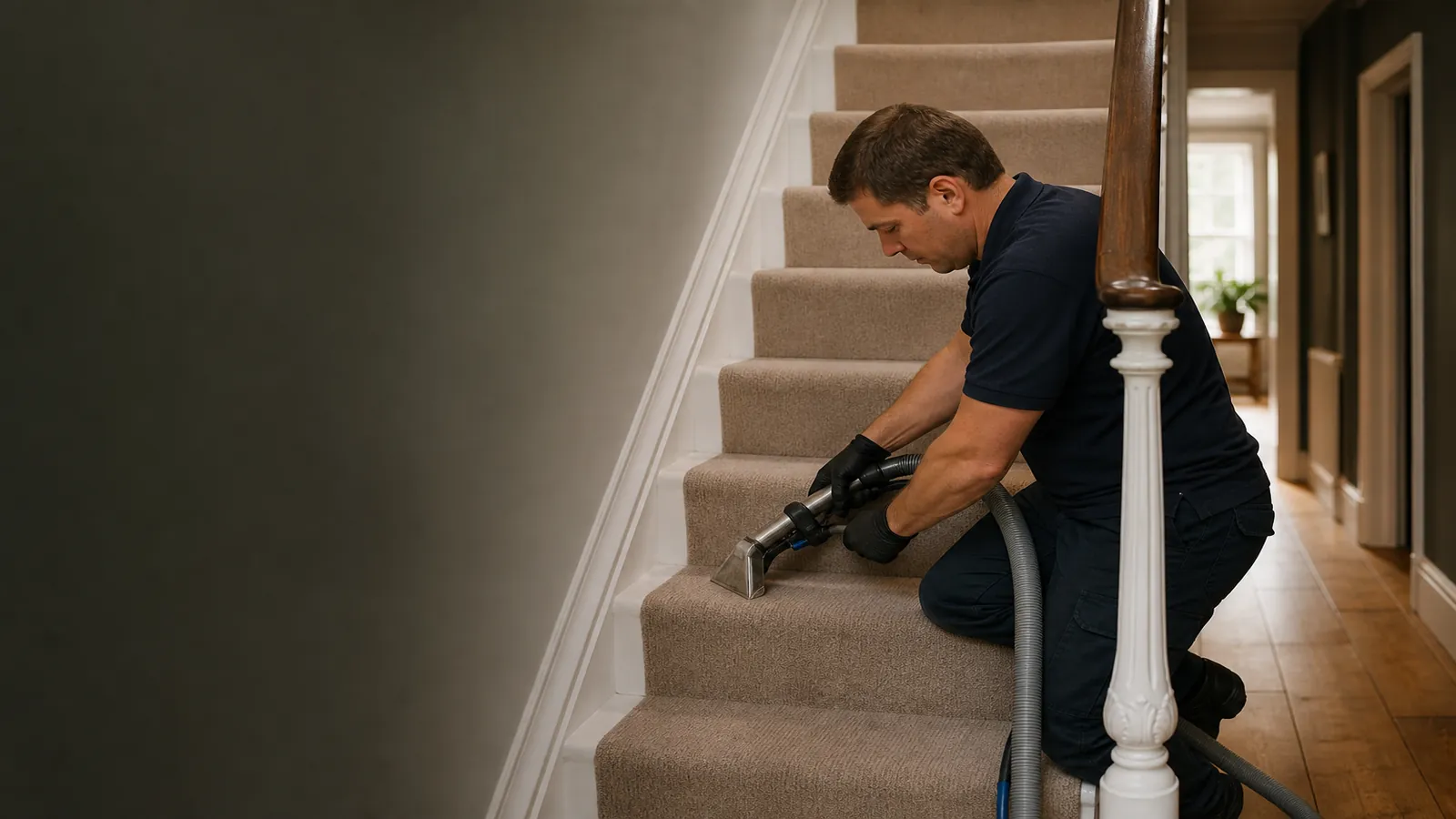
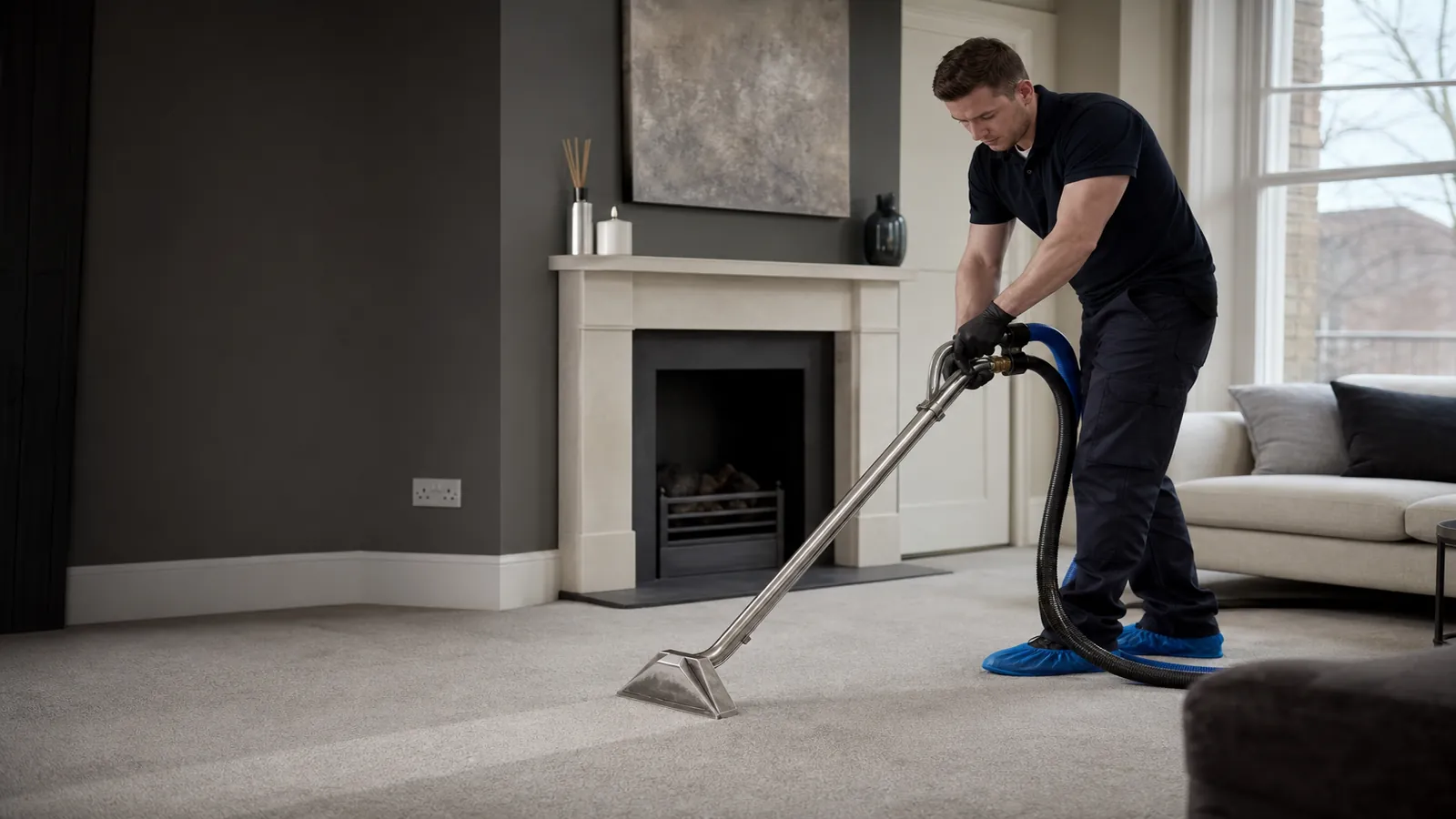
Carpet colour is partly a conversation between fibre and light
A carpet can look darker when viewed towards the pile and lighter from the opposite side. Foot traffic, vacuum direction and grooming alter that effect, sometimes creating a band that resembles incomplete cleaning. The Kew Gardens page centres on visual interpretation: assess soil thoroughly, but do not sell repeated treatment for an optical change that follows pile direction.
The pre-clean survey uses several viewpoints. The operative brushes a small area, compares carpet beneath furniture and notes where sunlight or regular movement may have changed colour and texture. A mark that remains fixed while the surrounding pile shifts is treated differently from a shadow that reverses as the viewer moves.
This does not minimise actual contamination. Dry grit, sticky films and spills still require methodical preparation and compatible rinsing. The distinction simply directs cleaning action where it can remove material, while protecting the carpet from needless agitation applied to shading, compression or missing dye.
Lighting conditions are recorded without claiming that one photograph tells the complete story. Flash, window light and evening lamps can each exaggerate contrast. Before-and-after images are useful when taken consistently, but the physical inspection and response to grooming remain stronger evidence than a dramatic camera angle.
At handover, the customer is invited to view the floor from the relevant directions. The cleaner identifies areas where colour clarity improved, where pile is still compressed and where fading persists. The result is described as soil removal within the textile’s limits, not as a promise of perfectly uniform reflection.
PROCESS / FOUR DECISIONS
A sequence designed around an occupied interior
01
Confirm entry and working space
On arrival, the operative verifies the rooms and equipment route, checks that agreed objects have been cleared and identifies anything that cannot be shifted without risk. The plan is adjusted before hoses and tools obstruct circulation.
02
Inspect the textile in place
Pile, edges, seams, visible wear and marks are reviewed under the available light. A discreet test is used where fibre or colour behaviour requires evidence, and permanent concerns are noted before cleaning changes the appearance.
03
Clean in a controlled order
Dry debris is extracted first. Pre-treatment and agitation follow the carpet’s tolerance; rinsing proceeds from the planned working position with enough recovery passes to avoid leaving excess solution simply for speed.
04
Reopen the room carefully
The final check covers edges, traffic routes and isolated treatments. Items are returned only where sensible, protective measures are used when appropriate, and the customer receives clear advice about ventilation and temporary restrictions.
VISIT / HANDOVER
Tell us how the rooms will be used afterwards
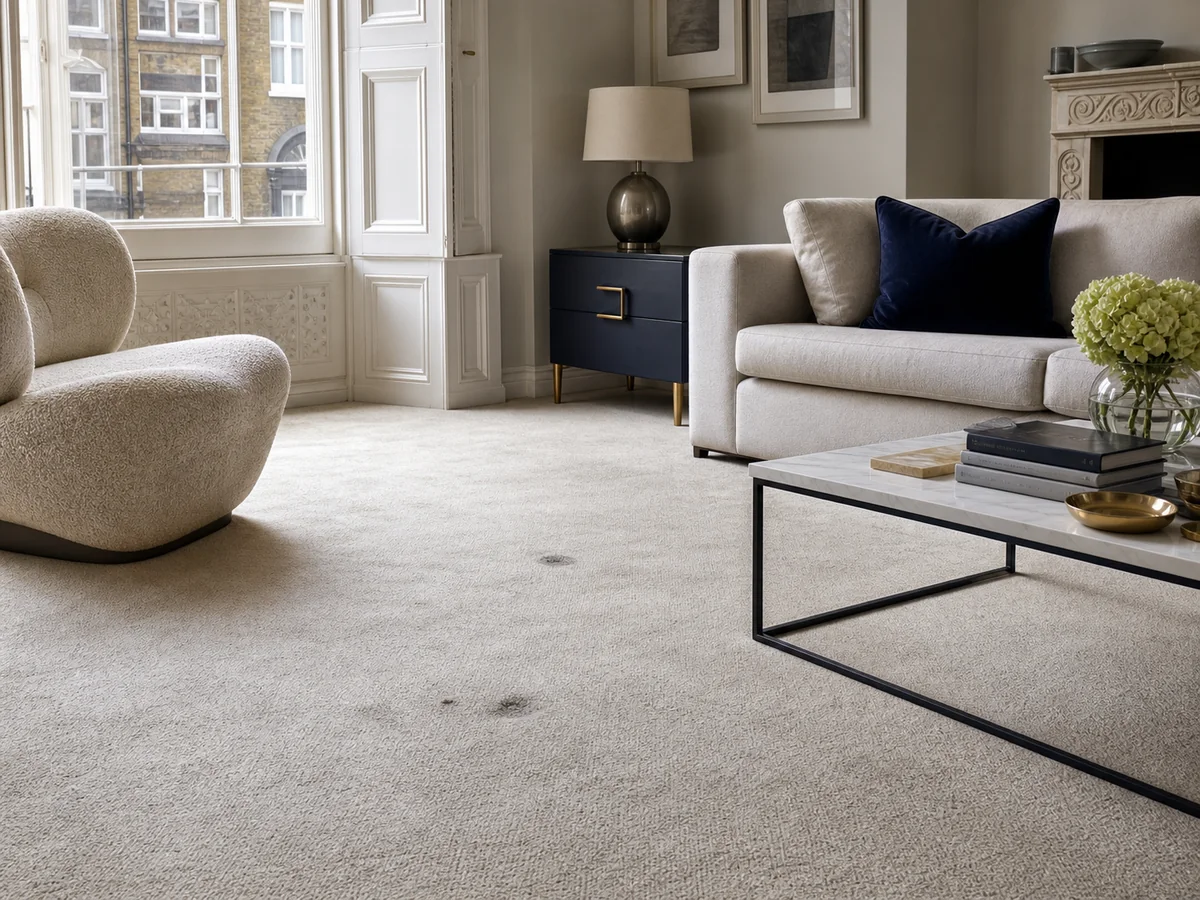
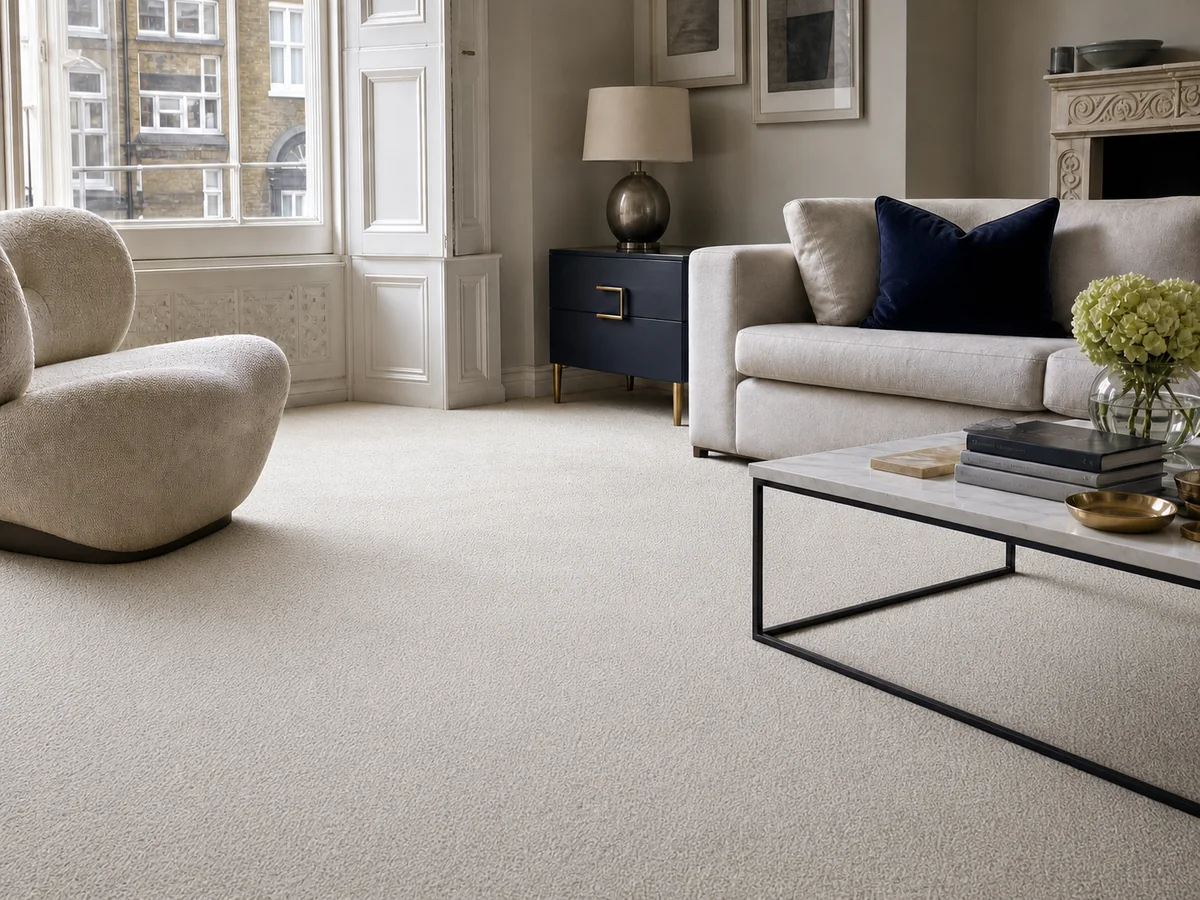
Clear portable belongings, identify the room needed soonest and disclose any visitors or contractors following the clean. Avoid applying fresh stain products. When routine housework is also required, arrange domestic cleaning as a separate scope with an agreed sequence.
Vacuum lines are not proof of deep preparation
A groomed surface can display neat stripes while particles remain at depth. Effective dry extraction depends on pace, suitable equipment, overlap and access. Presentation is welcome, but it should not be confused with evidence that the base of the pile was addressed.
Entrance matting needs maintenance too
A mat that is overloaded can become another source of tracked material. Clean or replace it according to its own care instructions and keep the surrounding hard floor manageable. This supports the carpet without pretending that matting eliminates all outdoor soil.
A dark line may be filtration soil
Air movement can deposit fine material along boundaries or beneath doors. Such lines may be deeply bonded and do not always release completely. They receive targeted assessment rather than repeated saturation along vulnerable edges.
Fabric seating can carry a different soil mix
An armchair may collect body oils and spills rather than entrance grit. Request upholstery cleaning separately so its construction and contaminant profile receive the right preparation.
SERVICE TEAMS / THE AGREED WORK
Four observations within a busy floor

A turning point near an entrance
Particles and moisture can concentrate where people change direction. Dry extraction is intensified, while abrasion at the pile tips is recorded so it is not sold as a removable stain.

A route around chairs or desks
Furniture defines narrow traffic bands and access limits. Cables, castors and connected equipment are handled only under an agreed plan, with reachable carpet stated clearly.

A quieter perimeter reference
Less-used pile helps show colour and texture, though it may also be less faded. It informs the result without creating an impossible target for physically worn central fibre.

A logged one-off spill
Time, substance and previous treatment are recorded. The mark receives a compatibility test and controlled attempt rather than stronger chemistry being spread throughout the high-footfall zone.
Footfall mapping is a planning device, not a claim that busy carpet must be replaced or aggressively treated. It shows where dry particles, bonded films and abrasion are most likely to overlap, then lets each observation earn its own response. The map can also support future maintenance: repeated incidents are distinguished from gradual dullness, and the customer can focus ordinary vacuuming where it carries the greatest dry load. Changes in use are noted rather than forcing an old schedule onto a newly arranged room.
PRICING / CLEAR STARTING POINTS
Price the zones that actually need work
List every carpeted room, flight of stairs and landing, then identify fibres, furnishings, notable marks and access. Published information remains on the prices page. The Kew Gardens quotation reflects the declared zones rather than treating a lightly used bedroom and a heavily travelled route as interchangeable units.
01
Single room
From £15 / room
Compact bedroom or study
02
Double room
From £15 / room
Standard double bedroom
03
Lounge
From £15 / room
Living room with clear equipment access
04
Stairs
Quotation
Standard flight, subject to construction
05
Hallway
Quotation
Reachable hall or landing
06
Whole property
Quotation
Measured rooms and fibre types
Prices are guide prices.
Final quotation depends on the property, condition and requirements.
SERVICE SCOPE / READ BEFORE BOOKING
The components of a maintenance reset
Included in this brief
- Review of previous cleaning attempts, current texture and visible residue clues
- Dry particulate removal across open areas, edges and established traffic routes
- Proportionate pre-conditioning, agitation and extraction for the identified carpet
- Post-clean review with sensible guidance for drying and ongoing vacuum care
Outside this cleaning brief
- Promises to reverse pile wear, bleaching, fading or damaged construction
- Application of protective products unless specifically assessed and agreed
- Cleaning of curtains, seating or beds as unlisted additions

MAP / COVERAGE CONTEXT
Plan the route into the Kew Gardens property.
Coverage context for Kew Gardens. This map does not represent a staffed local office.
EXPLORE / NEXT
Related services in Kew Gardens
EXPLORE / NEXT
Nearby areas for carpet cleaning
Often, yes, provided each construction is suitable and the scope allows enough time. A shared visit does not mean identical chemistry, agitation or drying advice.
Kew Gardens questions about mixed carpet fibres
Can every room be cleaned in one appointment?
Similar colour and pile can conceal different fibres, dyes or backing. A response test belongs to the textile on which it was performed and should not be generalised casually.
Why test two carpets that look the same?
Not necessarily. Pile density, backing, treatment and ventilation vary. The handover identifies any room that needs longer protection instead of giving one clock time for the property.
Will rooms dry at the same speed?
Yes, if requested under domestic cleaning. Its specification remains distinct and should be ordered so debris from hard surfaces does not return to rinsed carpet.
Can domestic cleaning cover the hard floors too?
No. It describes service coverage and practical local context, not a staffed branch.
Create a Kew Gardens carpet baseline worth referring to
Send the room list, stairs, fibre, current traffic pattern, spill history, last professional clean and access details. Include photographs taken in ordinary light. We can scope the present condition, document permanent features and leave you with practical evidence for deciding when another appointment is genuinely useful.