
LONDON / MOULD REMOVAL SERVICE
Mould Removal Service London
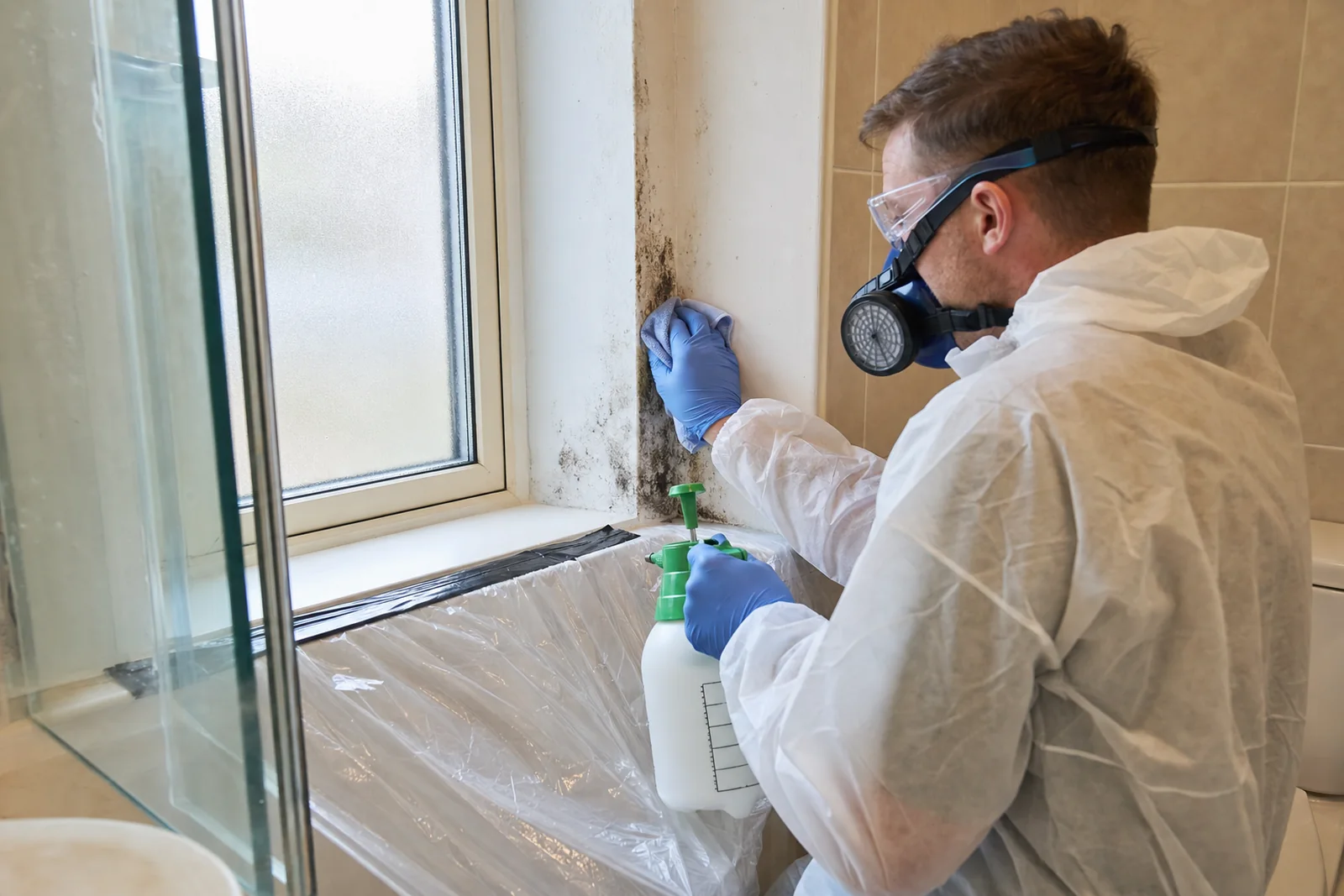
Professional mould removal for homes, flats and commercial properties across London. Every visit begins by assessing the affected surfaces, the visible extent of mould growth, access to the area and the practical steps that can be safely completed during the appointment.
MOULD REMOVAL / UNDERSTAND THE CAUSE FIRST
Visible mould is often a symptom, not the whole problem
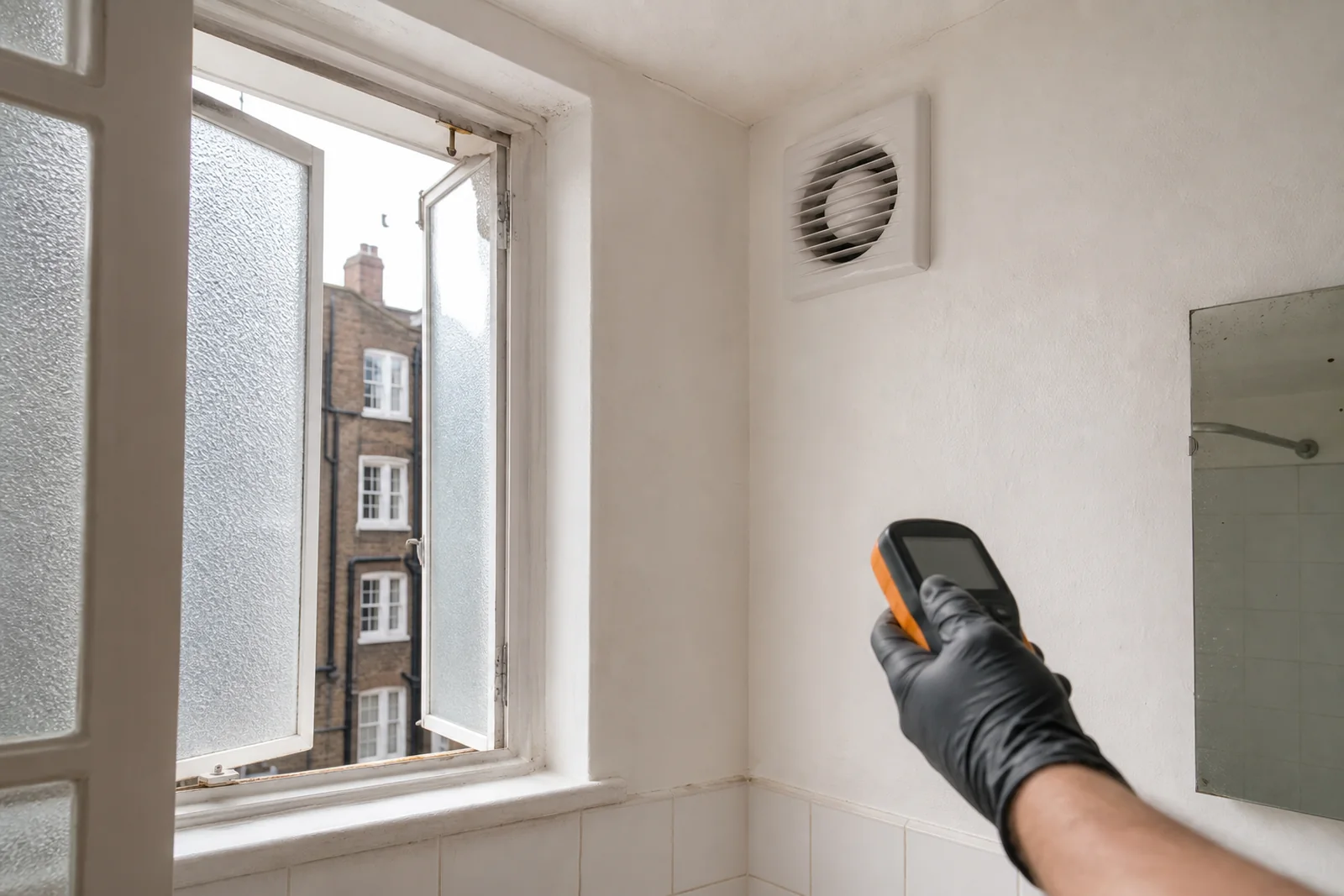
Mould can develop gradually in rooms where moisture, limited ventilation and everyday condensation combine over time. Bathrooms, kitchens, bedrooms, basements and external walls are among the areas most commonly affected, but every property is different. Before deciding how to treat the affected surfaces, it is important to understand where the mould is appearing, how widespread it is and whether the issue is likely to be linked to everyday condensation, poor airflow or a building defect that requires specialist investigation.
Our service concentrates on the practical cleaning of agreed accessible areas together with guidance on reducing the conditions that encourage mould to return. Structural damp repairs, leaking pipework, roof defects and other building problems fall outside the scope of a standard mould removal visit and should always be assessed separately where necessary.
Identify the affected areas
We begin by reviewing the rooms where mould is visible, identifying the surfaces involved and discussing how long the problem has been present. Photographs sent before the visit can help prepare a more accurate quotation.
Choose the appropriate treatment
Different materials respond differently to cleaning. Painted walls, tiled surfaces, silicone, ceilings, wood and decorative finishes may require different approaches depending on their condition and the extent of visible mould.
Reduce the chance of mould returning
Cleaning alone cannot prevent future mould if moisture remains unchanged. After the visit we explain practical steps involving ventilation, heating, humidity control and everyday maintenance that can help reduce future growth where appropriate.
If mould is being caused by rising damp, penetrating damp, leaking plumbing, roof defects, failed waterproofing or other structural issues, those problems should be investigated and repaired separately. Treating the visible mould without resolving the moisture source may allow it to return over time.
SCOPE / USEFUL BOUNDARIES
Compare the written scope, not the headline.
Included when agreed
- Assessment of agreed accessible areas
- Suitable surface cleaning where safe
- Containment of the working area
- Practical prevention notes
Not implied
- Structural damp repair
- Hidden-cavity remediation
- A guarantee that mould cannot return
PRICING / MOULD REMOVAL LONDON
Mould Removal Service price guide
Guide prices are based on the visible affected area, surface type, number of rooms, access and the preparation needed before treatment. Photographs help us provide a clearer starting quotation, but the final scope is confirmed after the condition of the surfaces has been reviewed.
Small affected area
From £95
For a defined accessible patch on a suitable wall, ceiling or tiled surface, subject to condition and moisture context.
- Visible-condition review
- Preparation of the agreed area
- Suitable surface treatment
- Practical prevention guidance
Single-room treatment
From £165
For agreed affected walls, ceilings, corners or window surrounds within one bathroom, bedroom, kitchen or living area.
- Room and surface assessment
- Accessible mould treatment
- Attention to affected edges
- Ventilation and drying advice
Several rooms or larger areas
From £285
For mould affecting several rooms or a wider accessible surface area that requires additional preparation, labour and working time.
- Multi-room treatment plan
- Additional preparation time
- Larger affected-area coverage
- Clear report of limitations
Damp or building-related problem
Separate assessment
Where mould may be linked to leaks, penetrating damp, rising damp, failed waterproofing or another building defect, specialist investigation and repair may be required.
- Not priced as routine cleaning
- Moisture source must be addressed
- Repairs quoted separately
- Cleaning may follow remediation
Guide prices: Final pricing depends on the size and number of affected areas, surface condition, furniture movement, parking, access and whether specialist protective preparation is needed.
Important: Mould cleaning does not repair leaking pipework, roof defects, rising damp, penetrating damp or structural moisture problems. Building investigation and remedial work must be arranged separately where required.
PROCESS / FROM ASSESSMENT TO AFTERCARE
A careful mould treatment process built around the affected surfaces
Mould removal should not begin with a generic product or an assumed cause. The visit is planned around the visible growth, surface material, moisture context and safe working access. This allows the team to define what can be cleaned, what may remain permanently marked and when a building or damp specialist may be required.
Review the mould and moisture context
The affected rooms, visible surface area and surrounding conditions are reviewed first. We consider ventilation, condensation, nearby windows, external walls and any known leaks without presenting the cleaning visit as a structural damp diagnosis.
- Confirm affected rooms and surfaces
- Review photographs and visible spread
- Identify access or safety limitations
Prepare the area for controlled work
Furniture, personal belongings and vulnerable finishes should be moved from the immediate working area where possible. The technician confirms which surfaces are suitable for treatment and protects adjoining areas before the agreed cleaning process begins.
- Create clear access to affected areas
- Protect nearby finishes and contents
- Confirm the treatment boundary
Clean suitable accessible surfaces
The agreed treatment is applied methodically to suitable walls, ceilings, tiles, window surrounds or other accessible surfaces. The process is adapted to the material and condition rather than using the same technique throughout every room.
- Work through defined affected sections
- Use a surface-appropriate method
- Record damage outside cleaning scope
Review the result and discuss prevention
After treatment, the completed areas are reviewed and practical guidance is provided on ventilation, heating, humidity and drying. Where an unresolved leak, damp source or damaged building element is suspected, separate investigation is recommended.
- Explain drying and ventilation needs
- Highlight unresolved moisture risks
- Recommend specialist review where needed
Leaking plumbing, roof defects, failed seals, penetrating damp, rising damp and inadequate building ventilation may require investigation and remedial work by an appropriate specialist. Without addressing the underlying moisture source, mould may return after the cleaned surfaces have dried.
SERVICE TEAMS / THE AGREED WORK
Cleaning support matched to the rooms, surfaces and handover.

End of tenancy cleaning team
Tenancy handovers organised around the inventory, landlord or letting-agent requirements, appliance additions and the key-return deadline.

Regular domestic cleaning team
Recurring support for kitchens, bathrooms and living spaces, with household priorities agreed for weekly or fortnightly visits.

Window and surface care team
Reachable glazing, frames and sills planned around height, apartment access, neighbouring surfaces and a safe working route.

One-off cleaning team
Single-visit cleaning for moving in, seasonal resets, special occasions or post-renovation tidying, prioritised from the condition on arrival.
The final team and task list are confirmed from the chosen service, property layout, safe access route and available visit time.
VISIT / HANDOVER
Check the result against the agreed task list.
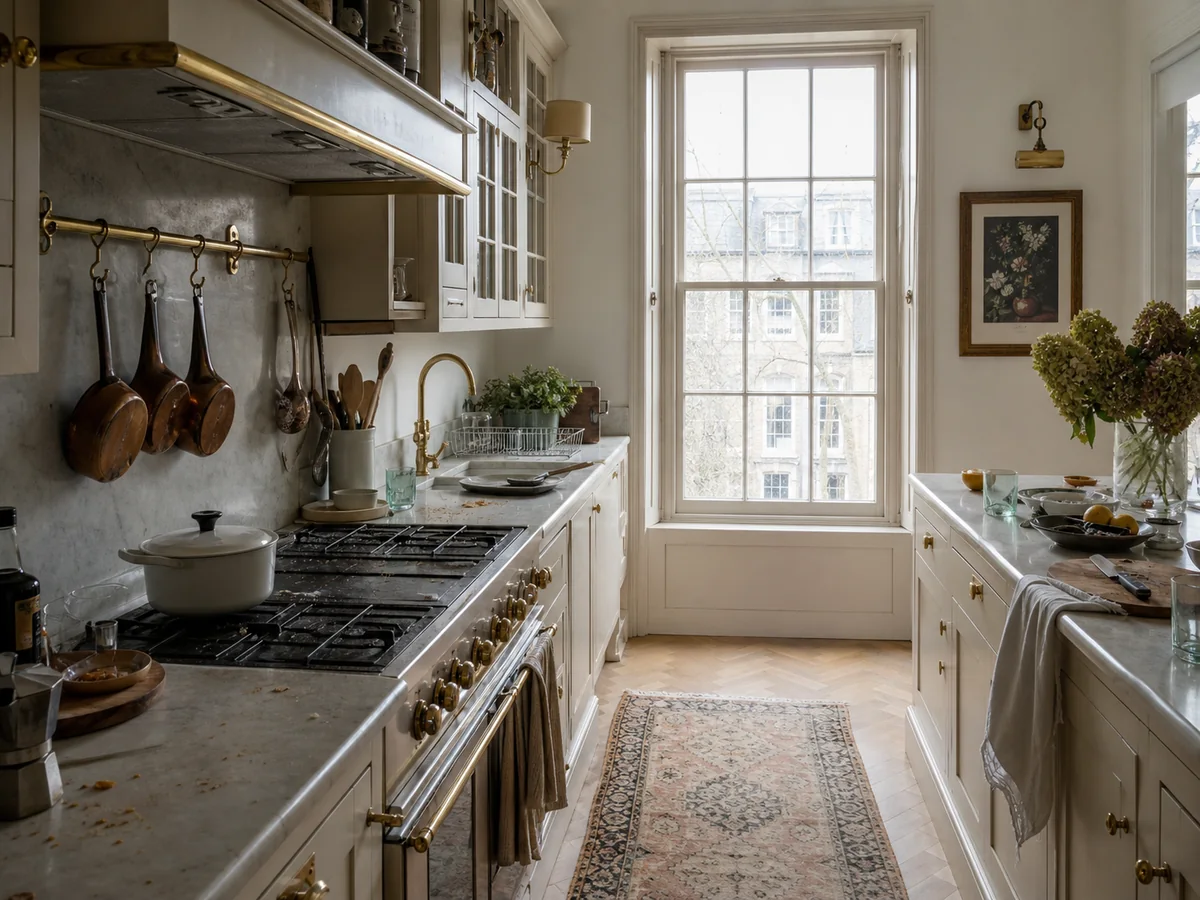
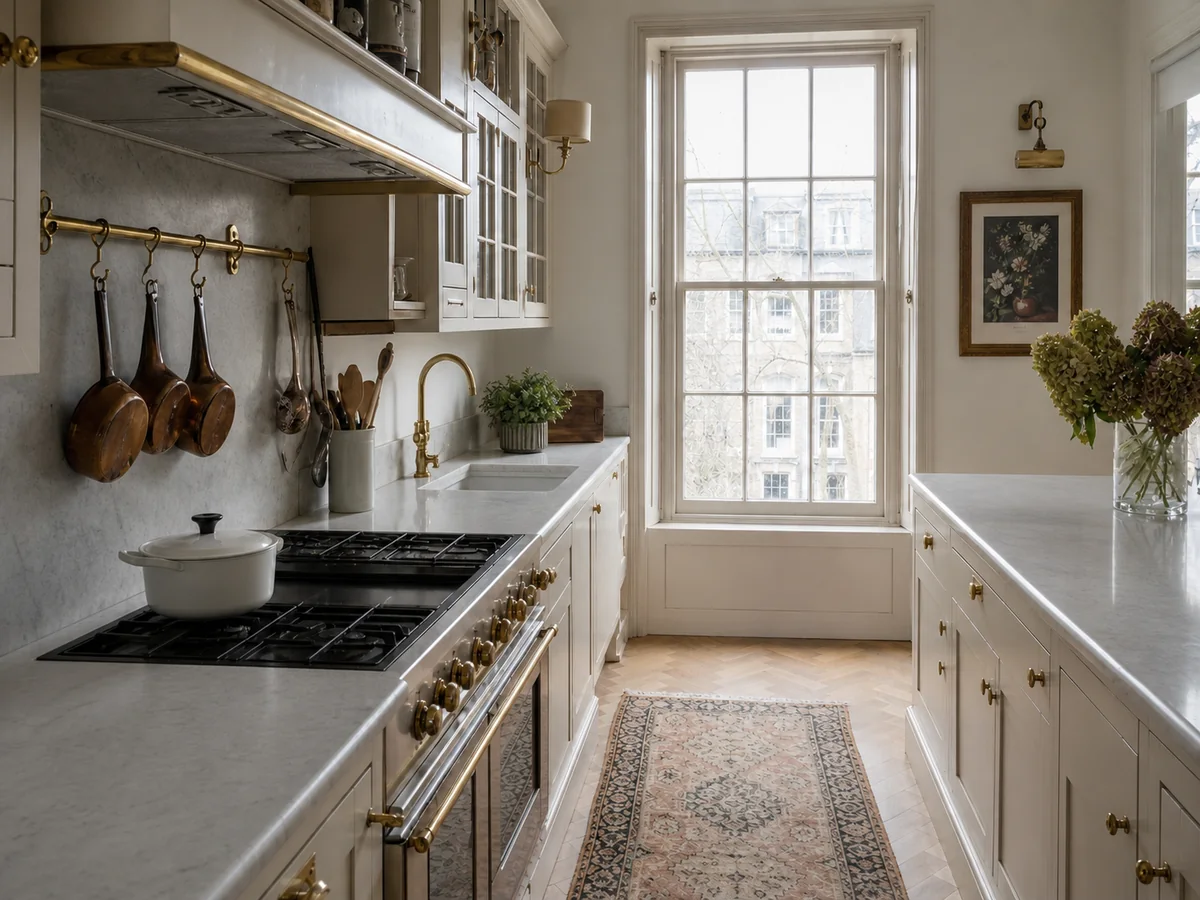
The handover follows the same room and task list agreed before work begins.
FAQ / MOULD REMOVAL LONDON
Important questions before mould treatment
Mould can affect different surfaces for different reasons. These answers explain what information helps us plan the visit, what the service can realistically cover and when a separate damp or building specialist may be required.
What information should I provide before booking?
Confirm which rooms are affected, where the mould is visible, the approximate size of each area and how long the issue has been present. Clear photographs are useful, especially where mould appears around windows, ceilings, external walls, bathrooms or behind accessible furniture. Please also mention any known leaks, condensation or recent building work.
Which surfaces can be treated?
Treatment may be possible on suitable accessible painted walls, ceilings, tiles, grout, silicone, window surrounds and other agreed surfaces. The final method depends on the material, finish, level of damage and whether the surface can tolerate cleaning without further deterioration.
What affects the final price?
The quotation depends on the number of rooms, total affected area, surface type, severity of visible growth, preparation time, furniture movement, access and any containment or protective measures required. Larger or more complex cases normally need additional labour and time.
Can mould stains always be removed completely?
No. Cleaning can treat suitable visible surface growth, but permanent discolouration, paint damage, damaged sealant, porous-material staining or deterioration caused by long-term moisture may remain visible. Repainting, replacement or restoration may be needed after the surface has been treated and fully dried.
Will mould return after cleaning?
Mould may return if the underlying moisture conditions remain unchanged. Condensation, limited ventilation, leaking plumbing, roof defects, penetrating damp or consistently high humidity should be addressed separately. The cleaning visit treats the agreed visible areas but cannot guarantee that future mould growth will never occur.
Does the service include damp diagnosis or structural repairs?
No. A standard mould removal appointment is not a structural survey or formal damp diagnosis. Rising damp, penetrating damp, hidden leaks, failed waterproofing, roof defects and moisture inside walls or cavities require investigation and repair by an appropriate specialist.
Do I need to prepare the room before the visit?
Where possible, move personal belongings, textiles and light furniture away from the affected area to create safe working access. Please tell us in advance about heavy furniture, occupied rooms, pets, delicate finishes, restricted access, parking or any fixed deadline for the room to be usable again.
How long should treated areas be left to dry?
Drying time depends on the surface, room temperature, ventilation, humidity and the treatment used. The technician will provide practical guidance after the visit. Good airflow and controlled heating may help, but the area should not be redecorated until it is fully dry and the moisture source has been considered.
Do you provide mould removal across London?
Appointments are available across London subject to the exact postcode, affected area, access and team availability. Send the full address, photographs and preferred date so the likely scope, travel requirements and appointment options can be checked before confirmation.
Visible mould cleaning and building remediation are different services. Where moisture is entering from a leak, roof, external wall, floor or hidden cavity, the source should be investigated and repaired separately before a long-term improvement can reasonably be expected.
MOULD REMOVAL / NEXT STEP
Start with photographs, the affected rooms and the moisture context
Send clear photographs of the visible mould, tell us which surfaces are affected and mention any known condensation, leaks or ventilation problems. This helps the London team review the likely scope before confirming availability and a starting quotation.
Share the postcode and preferred appointment date.
Include photographs of every affected room or surface.
Mention access, parking and any fixed handover deadline.