
Belgravia / SW1W
Carpet Cleaning Belgravia: Record Fine Details Before They Become Disputes
- Seams, trims and pre-existing marks documented first
- Method chosen from construction rather than appearance
- Furniture and decorative edges handled within agreed limits
- The handover distinguishes cleaning from restoration
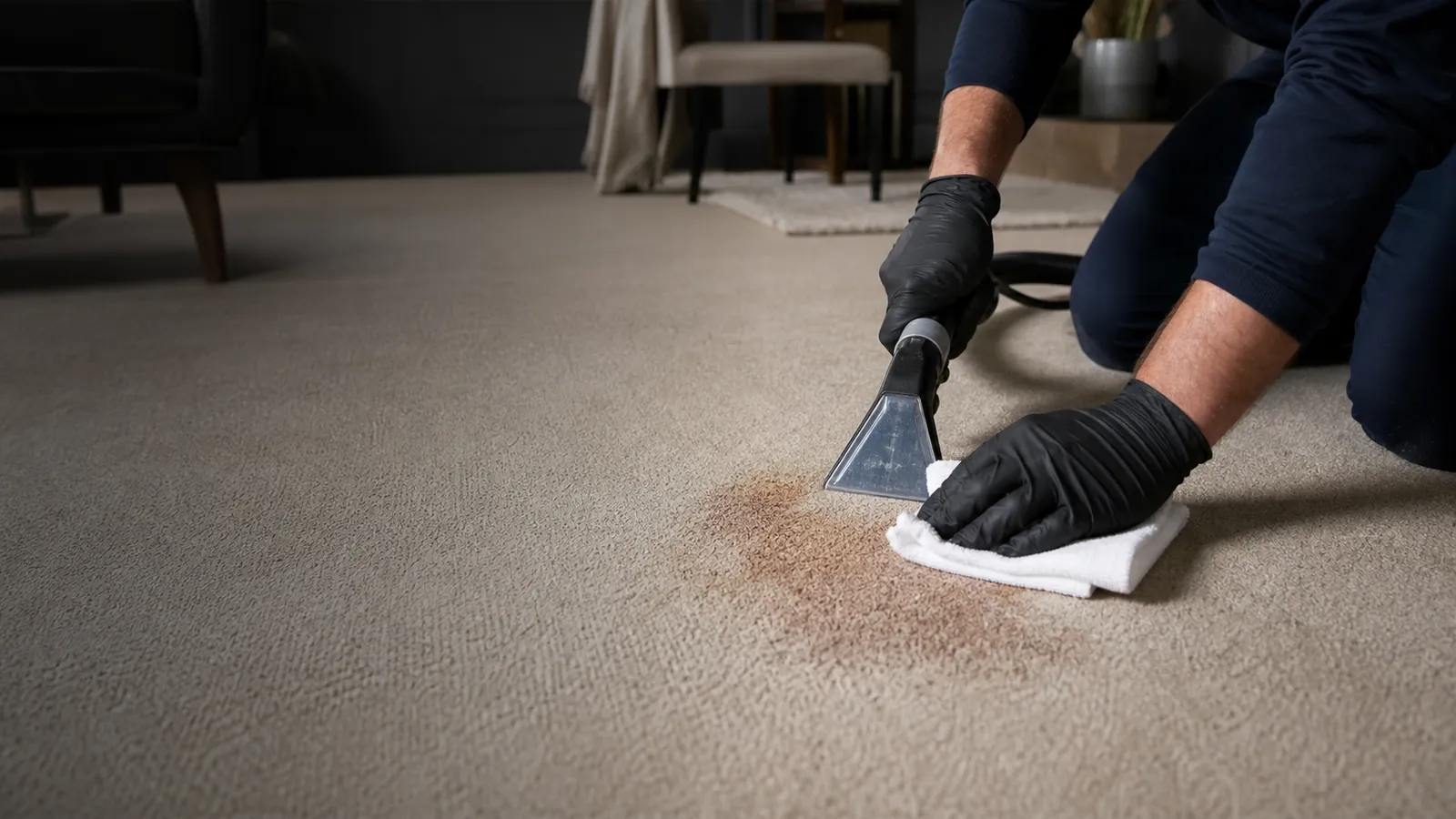
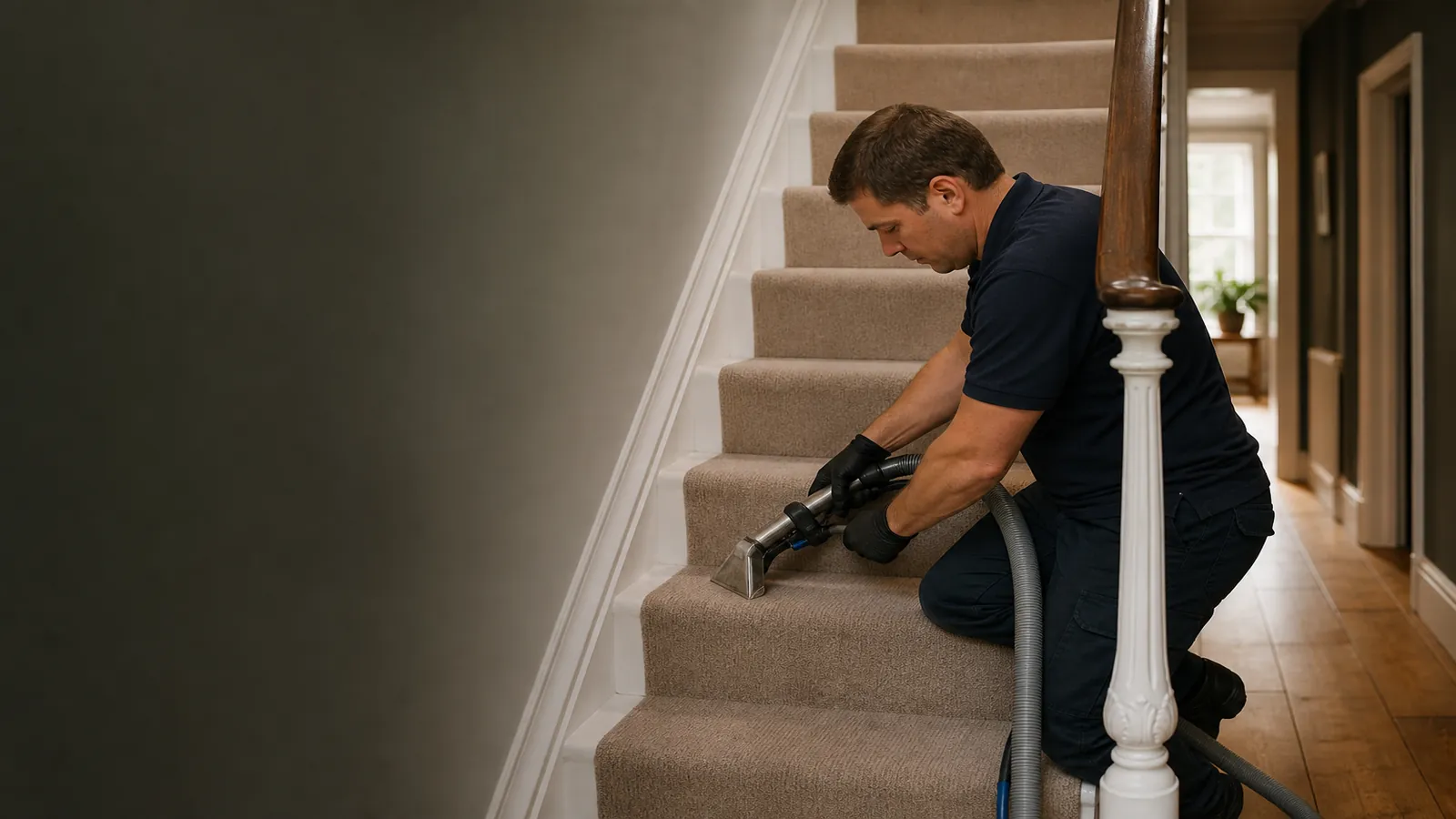
A precise condition record protects both textile and expectation
Carpet cleaning can change contrast across a room: soil lifts from one section, pile is groomed in a new direction, and previously muted fading becomes easier to see. The Belgravia page is built around a detail register. Before treatment, the operative notes decorative borders, joins, loose tufts, colour variation and old marks so the finished result can be interpreted against a reliable starting point.
This is not an assumption that Belgravia properties contain any particular material or furnishing. A label, invoice or care record is used when the customer has it; otherwise the carpet is assessed on site. Fine wool, robust synthetic pile and a blended construction are all possible, and each must earn its method through evidence rather than postcode-led storytelling.
The register also clarifies handling. An inset border may react differently from the main field, a metal detail can affect tool access, and a fragile piece of furniture may define an unreachable area. Photographing or recording these facts before movement prevents later confusion about what the service promised to alter.
Cleaning then proceeds with restraint. Dry particles are extracted, compatible pre-treatment is applied, and agitation respects pile structure. The rinse removes released soil with measured solution and recovery. A persistent discolouration is tested separately; no decorative feature is exposed to repeated chemistry simply to create an impressive isolated photograph.
The closing inspection returns to the original notes. The customer is shown what improved, what was revealed and what remains permanent. This approach makes the handover more useful than a broad ‘looks clean’ statement and preserves a clear boundary between soil removal, textile conservation and specialist repair.
SERVICE SCOPE / READ BEFORE BOOKING
A detail-conscious Belgravia carpet service
Included in this brief
- Pre-clean record of marks, wear, joins, borders and handling constraints
- Fibre-aware dry preparation and discreet compatibility checks where needed
- Measured whole-area treatment with separately controlled spot work
- Post-clean comparison against the recorded condition and drying guidance
Outside this cleaning brief
- Restoration, re-dyeing, re-tufting and repair of decorative details
- Movement of artwork, antiques or fragile items without a safe agreement
- A guarantee that revealed fading or old chemical damage will disappear

PRICING / CLEAR STARTING POINTS
Precision in the brief supports precision in the quotation
Provide dimensions, stairs, known fibre, borders, notable spots, furnishings and access details. Current published guidance is on the prices page. The Belgravia quotation is attached to the declared textile and handling requirements, not to assumptions about value, age or property style.
01
Single room
From £15 / room
Compact bedroom or study
02
Double room
From £15 / room
Standard double bedroom
03
Lounge
From £15 / room
Living room with clear equipment access
04
Stairs
Quotation
Standard flight, subject to construction
05
Hallway
Quotation
Reachable hall or landing
06
Whole property
Quotation
Measured rooms and fibre types
Prices are guide prices.
Final quotation depends on the property, condition and requirements.
SERVICE TEAMS / THE AGREED WORK
Details that can alter the safe treatment range

A contrasting woven border
Different yarn colours or construction may require a discreet check before the main field is treated. The operative avoids assuming that every decorative element shares one dye response.

A hand-finished join
The seam is examined for stability and recorded. Cleaning takes place around a sound join with controlled moisture; looseness is not pulled, concealed or presented as something extraction can mend.

Pile shading across a large area
Light and direction can create dramatic bands without a corresponding soil boundary. Viewing and grooming from several angles helps prevent unnecessary repeated treatment of an optical effect.

A valuable but immovable furnishing
The item defines a protected section of carpet and an access limit. It is left in place unless competent handling has been agreed, and the quotation identifies the reachable floor honestly.
A detailed register is documentation, not alarmism. Most observations simply provide a shared reference and allow the cleaner to choose a proportionate method with fewer assumptions. It should include ordinary facts as well as defects: where furniture stood, which direction the pile ran and which lighting condition revealed a mark. Those details make later comparison fairer. They also discourage unnecessary repeat treatment when the recorded difference is clearly structural or optical rather than recoverable soil. Decorative carpet also deserves an agreed viewing standard. A border can appear darker because its yarn lies in another direction, while a central field may have faded around protected furniture. The cleaner records those contrasts before grooming alters them. If a customer has a care document, only instructions relevant to the actual construction are carried into the plan; a generic label is not used to overrule an on-site colour response. During handover, the register becomes a concise explanation rather than a catalogue of warnings. It shows why one patch received a restrained second attempt and why another was left alone once testing indicated permanent dye change.
PROCESS / FOUR DECISIONS
Use the condition record throughout the appointment
01
Document before changing the view
The technician walks the agreed areas with the customer where possible, notes prominent defects and confirms handling limits. Fibre and colour checks are made discreetly when the evidence calls for them.
02
Prepare without disturbing details
Vacuum tools are selected for accessible pile and edges. Loose matter is removed methodically, while unstable trim or delicate sections are approached within the boundary recorded at the start.
03
Treat the field and spots separately
General pre-conditioning remains even and material-compatible. Marks receive precise applications rather than blanket strength; extraction balances adequate rinsing with recovery and protects decorative transitions.
04
Reconcile the result with the register
The cleaner revisits noted areas, photographs or explains any lasting change and gives aftercare suited to the conditions. A revealed patch is discussed from evidence rather than attributed casually.
VISIT / HANDOVER
Share care records and protect fragile surroundings
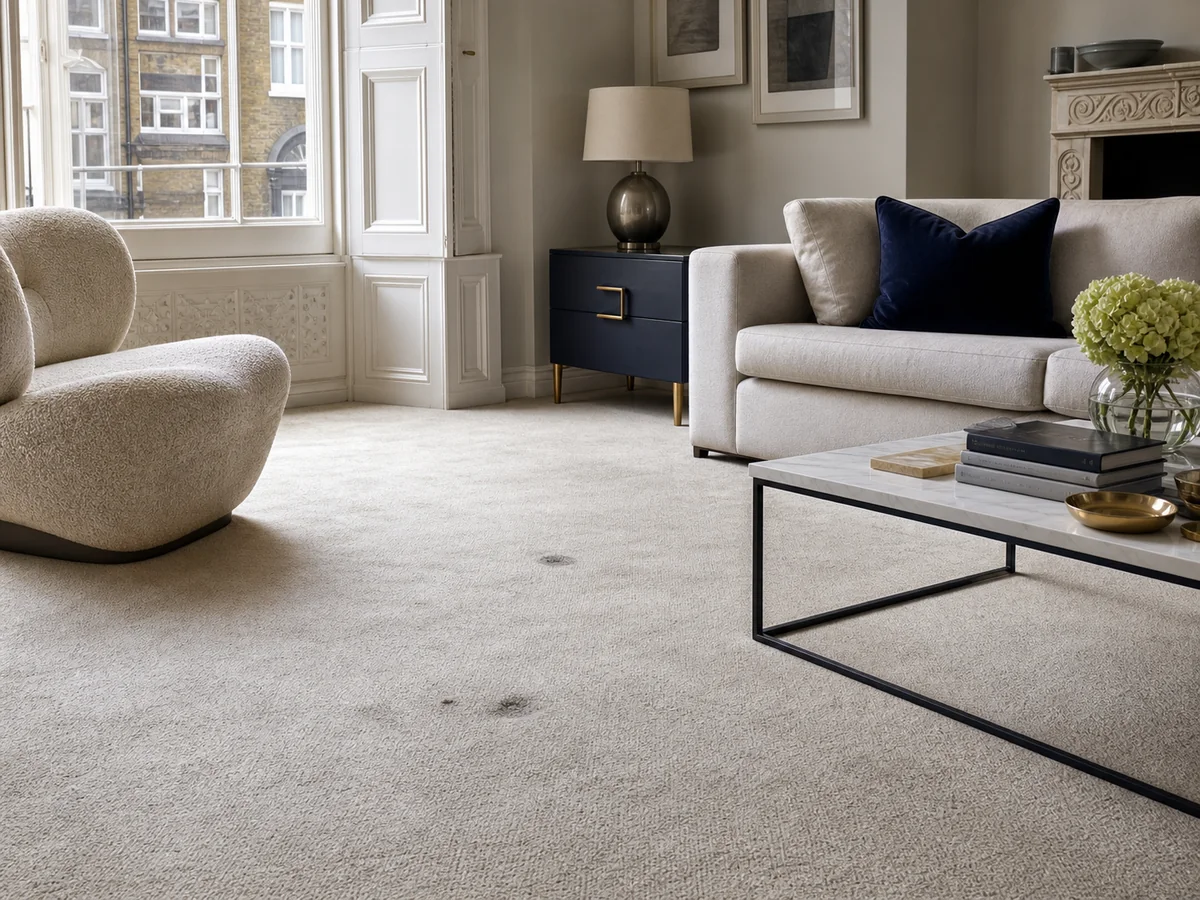
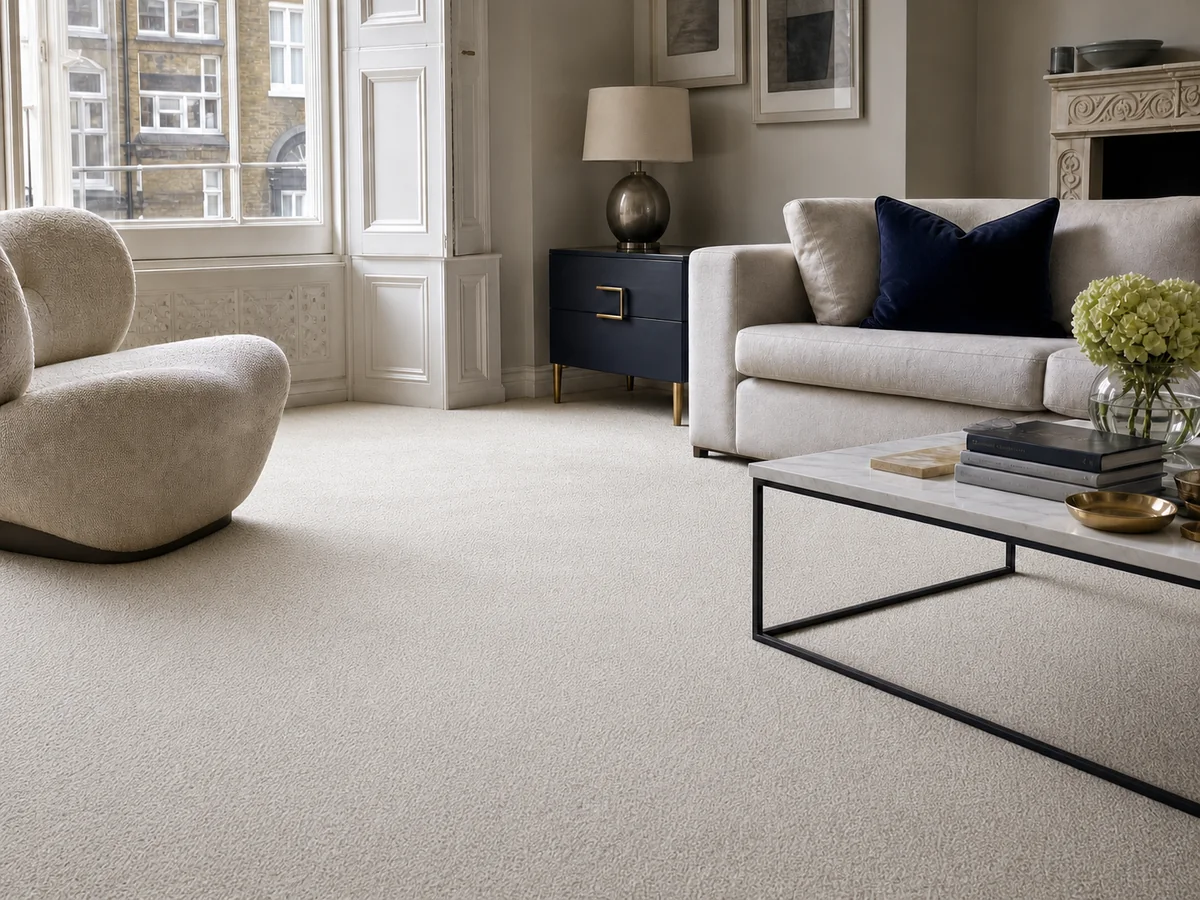
Provide labels or manufacturer guidance where available, remove small decorative objects and identify anything that must not be moved. Avoid fresh spot products. For coordinated property work, keep end of tenancy cleaning as a separate specification with a sequence that protects the carpet.
Documentation is useful when soil hides damage
A dark layer can reduce contrast around a pale chemical mark or faded strip. When surrounding soil is removed, the pre-existing issue may become clearer. Before photographs and notes help explain that reveal without making unsupported claims.
Protective treatment is not assumed
A protector changes the service scope and may not suit every fibre, finish or customer objective. It should be discussed, tested and priced explicitly rather than applied as an automatic premium step after cleaning.
Seating fabrics need another condition register
Piping, cushions, trims and hidden linings make furniture a separate textile object. Request upholstery cleaning so its own marks and vulnerabilities are documented instead of borrowing the carpet record.
Aftercare should preserve evidence, not create panic
Follow ventilation and furniture guidance, but do not scrub a remaining patch while the pile is damp. If an unexpected change is noticed, photograph it in consistent light and contact the service provider before adding household chemicals.
MAP / COVERAGE CONTEXT
Plan the route into the Belgravia property.
Coverage context for Belgravia. This map does not represent a staffed local office.
EXPLORE / NEXT
Related services in Belgravia
EXPLORE / NEXT
Nearby areas for carpet cleaning
Images can record prominent marks, joins and colour variation before grooming changes the view. They support a shared account but do not replace inspection or prove the cause of every discolouration.
Belgravia questions about condition records
Why photograph a carpet before cleaning?
Only when safe handling, permission and suitable space are established. Valuable or fragile items are not moved casually; inaccessible carpet is stated openly in the agreed scope.
Will you move delicate furniture to clean beneath it?
Cleaning can remove soil but cannot return missing dye. A border is tested and treated within safe limits, while re-dyeing or textile restoration requires a different specialist service.
Can a faded border be restored during cleaning?
It may be coordinated if declared, but the bed needs its own inspection and drying plan. See mattress cleaning rather than treating it as an extension of the floor.
Can you clean a mattress in the same visit?
No. It describes service coverage and practical local context, not a staffed branch.
Prepare a Belgravia brief with the textile details intact
Send room dimensions, stair counts, fibre information, photographs of borders or marks, and a list of furnishings that affect access. Include any care record and previous treatment. A precise starting description supports safer cleaning, transparent pricing and a final explanation grounded in what the carpet showed before work began.