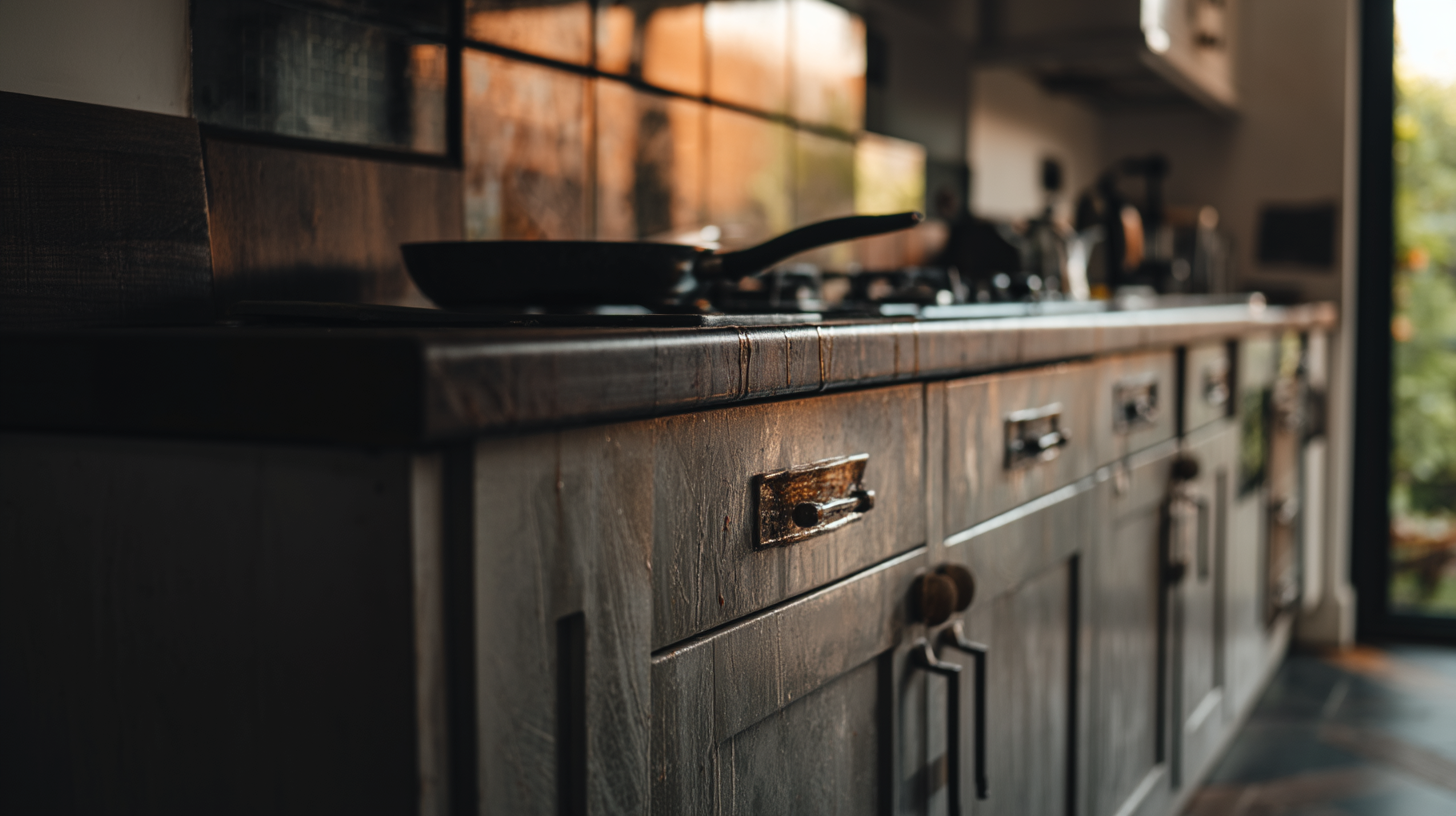
Grease buildup in kitchens is a common issue in many UK homes, especially in areas where frying, roasting, and everyday cooking are frequent. Over time, oily residue settles on cupboards, appliances, and worktops, making surfaces sticky, dull, and harder to clean. Understanding how grease forms and how to remove it efficiently helps maintain a more hygienic and presentable kitchen with less effort.
Why Grease Builds Up on Kitchen Surfaces and Appliances in UK Homes
Cooking oils and everyday food preparation
Grease is mainly created during cooking when oils, fats, and food particles become airborne through heat. Activities such as frying, grilling, and roasting release tiny oil droplets that settle on nearby surfaces, even when they are not visibly noticeable at first. Over time, these particles accumulate and form a sticky layer that binds dust and dirt, making kitchen surfaces appear dirty even shortly after cleaning.
Ventilation and kitchen layout factors in UK homes
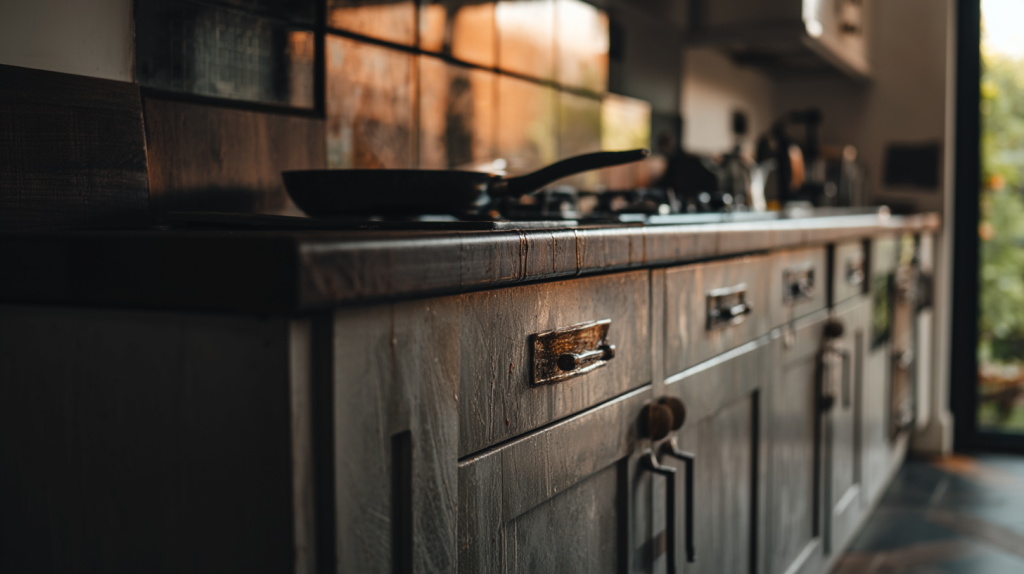
Many UK kitchens, especially in flats and older properties, have limited ventilation, which allows grease particles to linger in the air for longer periods. Poor airflow means that extractor fans may not fully remove airborne oils, leading to faster buildup on cupboards, tiles, and appliances. Compact kitchen layouts also mean cooking surfaces are closer to walls and storage areas, increasing the spread of grease residue.
Why does grease become harder to remove over time
Once grease settles and is not cleaned promptly, it begins to oxidise and harden, forming a more stubborn layer that bonds with dust and grime. This makes simple wiping ineffective and often requires stronger cleaning methods or specialised products. In many cases, older grease layers can also stain surfaces, particularly on porous or textured materials, making regular maintenance essential to prevent long-term damage.
How to Clean Stubborn Grease from Ovens, Hobs, and Extractor Areas
Breaking down baked-on grease inside ovens
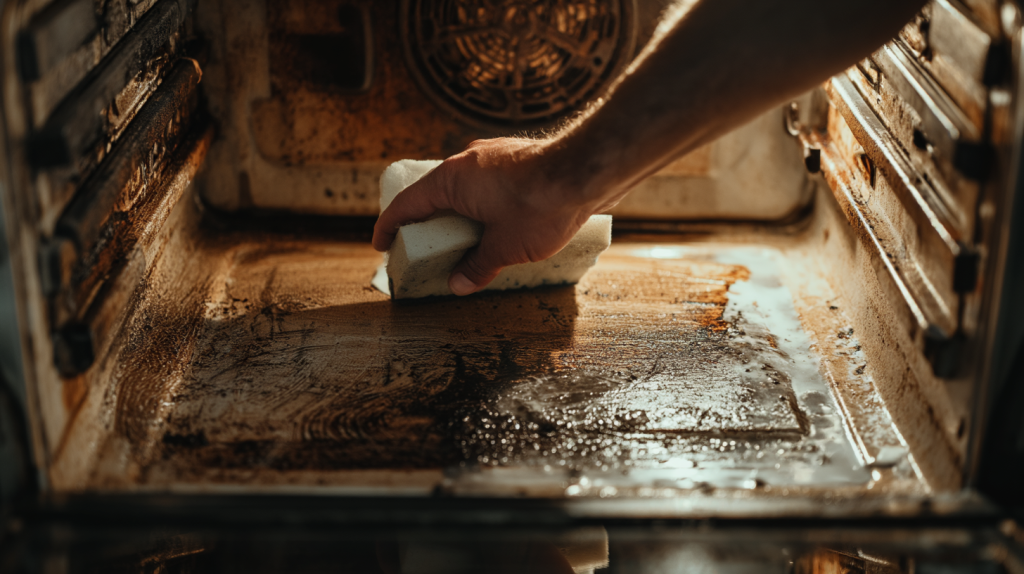
Oven grease tends to harden over time due to repeated exposure to high temperatures, making it more resistant to standard cleaning methods. A combination of heat-safe degreasing products and gentle abrasion can help loosen burnt-on residue without damaging enamel surfaces. Allowing the cleaning solution to sit for a period before wiping improves effectiveness and reduces the need for excessive scrubbing.
Removing heavy residue from hobs and cooker tops
Hobs often collect a mixture of grease, food spills, and carbonised residue, especially around burners and edges. Soft scrapers and non-abrasive pads are useful for lifting stuck-on grease without scratching glass or stainless steel surfaces. Regular attention to these areas prevents buildup from becoming layered and significantly harder to remove.
Cleaning extractor zones and surrounding areas
Extractor hoods and nearby surfaces tend to trap airborne grease that rises during cooking. This residue can accumulate in filters, edges, and underside panels, making the area appear dull and sticky. While filters can often be washed separately, surrounding surfaces benefit from periodic deep cleaning to maintain airflow efficiency and reduce long-term grease buildup.
Common Mistakes That Make Grease Harder to Remove and Damage Surfaces
Using the wrong cleaning products on kitchen materials
Not all cleaning products are suitable for every kitchen surface, and using harsh chemicals on delicate finishes can cause discolouration or surface damage. Strong abrasives may strip protective coatings from cupboards or scratch glossy finishes, making them more prone to future grease buildup. Choosing surface-appropriate products helps maintain both cleanliness and durability.
Allowing grease to build up over long periods
When grease is left untreated for extended periods, it becomes thicker and more difficult to dissolve. Layers of residue bond with dust and cooking particles, creating a sticky film that requires intensive cleaning methods to remove. Regular light cleaning is far more effective than occasional deep scrubbing when it comes to controlling grease levels.
Over-scrubbing delicate kitchen surfaces
Excessive scrubbing can damage painted, laminated, or stainless steel surfaces, leading to dull patches or permanent marks. While it may seem like a faster solution, aggressive cleaning often reduces the lifespan of kitchen finishes. A controlled approach using suitable cleaners and gentle tools is more effective for long-term maintenance.
How to Keep Kitchen Surfaces Grease-Free with Simple Regular Cleaning
Daily wipe-down routines for prevention
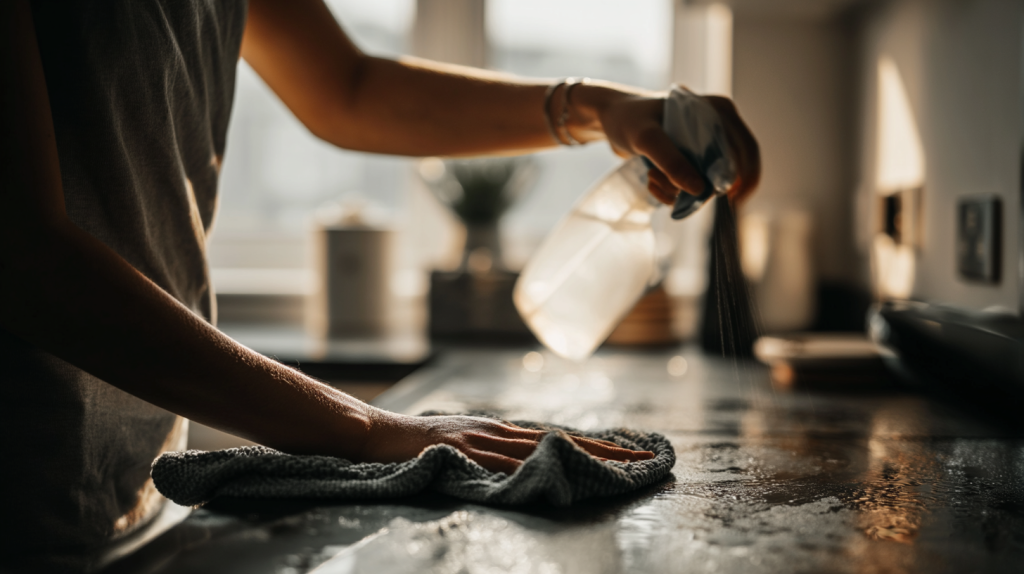
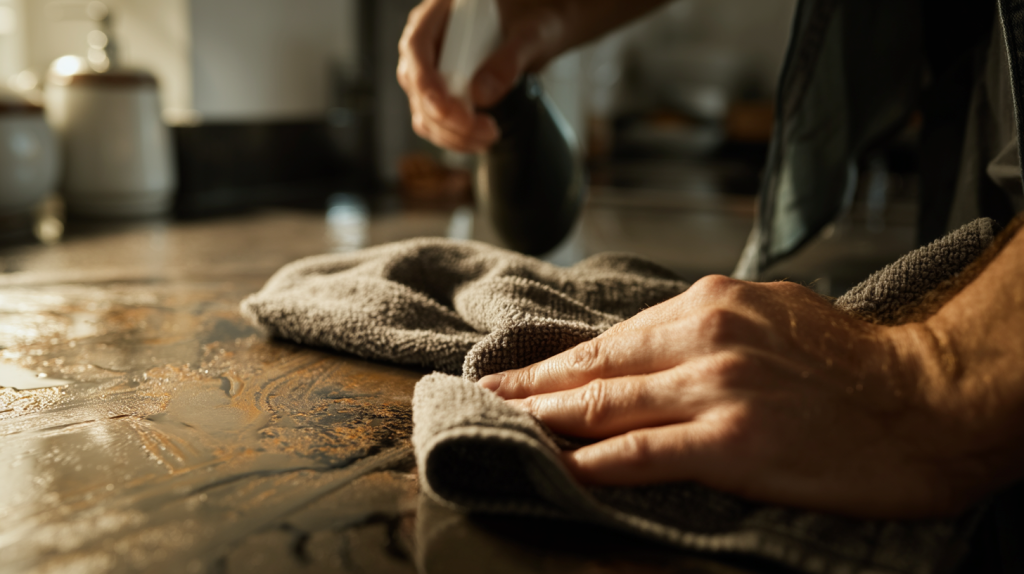
Consistent light cleaning is one of the most effective ways to prevent grease from building up in the first place. Wiping down worktops, cupboard doors, and cooking areas after use removes fresh oil particles before they have time to settle. This simple habit reduces the need for intensive cleaning sessions and keeps surfaces looking fresher for longer.
Improving kitchen ventilation during cooking
Using extractor fans properly and opening windows where possible helps reduce the amount of airborne grease that settles on surfaces. Good airflow minimises the spread of oil particles and keeps the kitchen environment cleaner overall. Regular maintenance of ventilation systems also supports better performance and reduces long-term residue accumulation.
Establishing a weekly deep-cleaning routine
A structured weekly cleaning routine ensures that any minor grease buildup is addressed before it becomes stubborn. Focusing on high-use areas such as hobs, splashbacks, and appliance surfaces helps maintain a consistent level of cleanliness. This approach is particularly effective in busy households where cooking is frequent.
When to Use Professional Kitchen Deep Cleaning Services for Heavy Grease Buildup
Signs that grease has become too difficult to manage
When grease remains visible after regular cleaning or continues to return quickly, it often indicates a deeper buildup that standard household methods cannot fully remove. Sticky surfaces, persistent odours, and discoloured kitchen areas are common signs that residue has accumulated over time. In these situations, more intensive cleaning methods may be required to restore proper hygiene.
Benefits of specialist equipment and techniques
Professional cleaning services use commercial-grade degreasers and equipment designed to break down heavy grease safely and efficiently. These methods can reach areas that are difficult to clean thoroughly with standard household tools, such as behind appliances, extractor zones, and textured surfaces. This level of cleaning helps restore kitchens to a more hygienic and presentable condition.
When convenience and time-saving become important
Busy households often find it challenging to carry out deep cleaning consistently, especially in kitchens used daily. In such cases, using experienced cleaners can save time and ensure a more thorough result. Services such as oven cleaning, one-off deep cleaning, or regular domestic cleaning can help maintain kitchen hygiene without the need for intensive manual effort.