
Clerkenwell / EC1R
Carpet Cleaning Clerkenwell: A Practical Plan Built Around Condition
- Room conditions compared before one method is assumed
- Priority zones separated from lightly used carpet
- Stairs and transitions included explicitly in the route
- A single handover records different results honestly
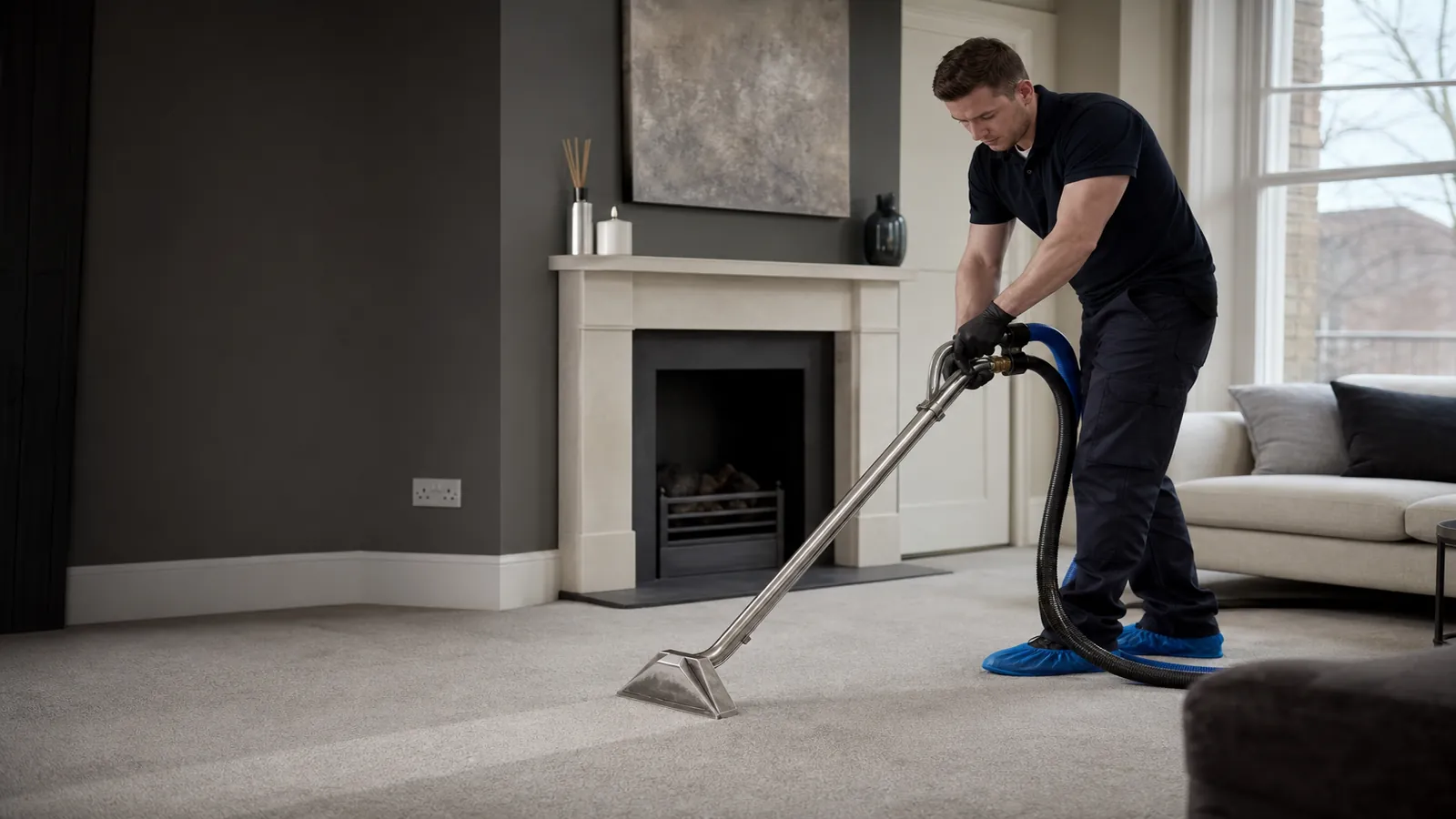
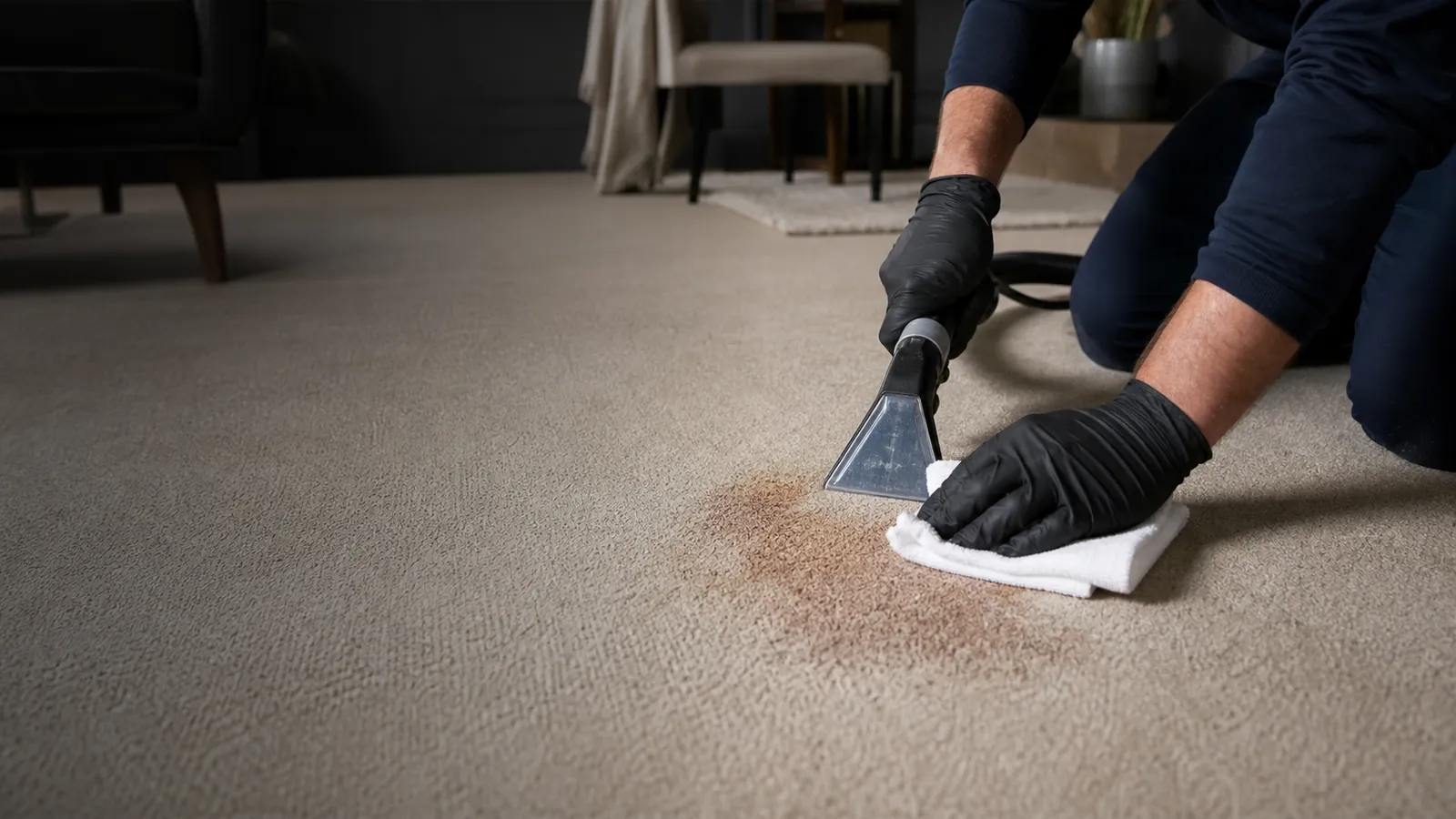
Carpet cleaning in Clerkenwell with fibre and access details checked
Carpet cleaning in Clerkenwell needs to account for warehouse conversions, mansion blocks and compact flats. Fibre type, pile construction, previous treatments and the backing beneath the carpet determine which method is appropriate; visible colour alone is not enough to choose chemistry or moisture levels.
A useful inspection separates general soil from individual stains, flattened traffic lanes and permanent fibre damage. Entrance routes, family rooms, pets and rented bedrooms often need different pre-treatment. Professional carpet cleaning should therefore begin with testing, careful vacuuming and realistic expectations for older marks.
Locally, loading limits, lifts and commercial-street access can affect how extraction equipment reaches the property. Confirm parking, floor level, water access and furniture movement before arrival. Ventilation and pile depth also influence drying, so rooms should not be put back into heavy use immediately after treatment.
Where sofas or dining chairs show related wear, coordinated upholstery care may be practical, but only after the fabric has been assessed separately. Tenants should allow enough drying time before checkout photographs or an inventory inspection.
Identify pile, backing and previous treatments.
Separate removable soil from permanent damage.
SERVICE TEAMS / THE AGREED WORK
Four observations within a busy floor

A turning point near an entrance
Particles and moisture can concentrate where people change direction. Dry extraction is intensified, while abrasion at the pile tips is recorded so it is not sold as a removable stain.

A route around chairs or desks
Furniture defines narrow traffic bands and access limits. Cables, castors and connected equipment are handled only under an agreed plan, with reachable carpet stated clearly.

A quieter perimeter reference
Less-used pile helps show colour and texture, though it may also be less faded. It informs the result without creating an impossible target for physically worn central fibre.

A logged one-off spill
Time, substance and previous treatment are recorded. The mark receives a compatibility test and controlled attempt rather than stronger chemistry being spread throughout the high-footfall zone.
Footfall mapping is a planning device, not a claim that busy carpet must be replaced or aggressively treated. It shows where dry particles, bonded films and abrasion are most likely to overlap, then lets each observation earn its own response. The map can also support future maintenance: repeated incidents are distinguished from gradual dullness, and the customer can focus ordinary vacuuming where it carries the greatest dry load. Changes in use are noted rather than forcing an old schedule onto a newly arranged room.
A good clean can be undermined by a vague access brief
Carpet treatment is often described only in terms of machinery and stains. In practice, the route to the room, the amount of furniture, the position of power and water, and the time a space must be used again can shape the appointment just as strongly. An Clerkenwell enquiry should therefore describe the working environment without presuming that every property bearing the same area name has the same layout.
We start with a usable floor schedule. It lists carpeted rooms, landings and individual flights of stairs, then distinguishes open floor from sections beneath items that cannot be moved. This prevents a quotation for nominal room size being mistaken for a promise to reach under every fitted, fragile, wired or exceptionally heavy object.
Arrival details are factual rather than decorative local copy. If a lift must be booked, a reception desk controls entry, stairs are narrow, or the equipment route is long, the customer tells us. Where none of those conditions applies, they do not become part of the story. Clear information allows sensible setup without inventing claims about Clerkenwell buildings.
Timing also belongs in the brief. A meeting room, bedroom or living area cannot be promised back at a precise hour before fibre, pile, ventilation and cleaning requirements are known. We discuss the intended use, recover as much moisture as the process permits and give post-clean guidance based on what actually happened.
For coordinated property work, the carpet stage should be placed thoughtfully alongside end of tenancy cleaning. Extracted flooring needs protection from later trades, cleaning buckets and repeated foot traffic. A joined schedule is useful, while the deliverables and quotation for each service remain distinct.
SERVICE SCOPE / READ BEFORE BOOKING
A detail-conscious Clerkenwell carpet service
Included in this brief
- Pre-clean record of marks, wear, joins, borders and handling constraints
- Fibre-aware dry preparation and discreet compatibility checks where needed
- Measured whole-area treatment with separately controlled spot work
- Post-clean comparison against the recorded condition and drying guidance
Outside this cleaning brief
- Restoration, re-dyeing, re-tufting and repair of decorative details
- Movement of artwork, antiques or fragile items without a safe agreement
- A guarantee that revealed fading or old chemical damage will disappear
PRICING / CLEAR STARTING POINTS
Visible contrast is described before it is priced as stain work
Provide rooms, stairs, fibre details, furnishings, access and photographs from several directions. Current guidance is available through cleaning prices. The Clerkenwell quote treats proven soil and marks without inventing additional spot work for every change created by light.
01
Single room
From £15 / room
Compact bedroom or study
02
Double room
From £15 / room
Standard double bedroom
03
Lounge
From £15 / room
Living room with clear equipment access
04
Stairs
Quotation
Standard flight, subject to construction
05
Hallway
Quotation
Reachable hall or landing
06
Whole property
Quotation
Measured rooms and fibre types
Prices are guide prices.
Final quotation depends on the property, condition and requirements.
A clean filter is part of effective extraction
Fine particles can restrict airflow quickly. Equipment performance must be monitored and collection components managed appropriately. Long machine noise is not evidence of useful soil removal if suction has already fallen away.
White dust can reveal old dark soil
Once a pale surface layer is removed, greasy traffic residue beneath it may become more obvious. That is why the carpet is reassessed between dry extraction and pre-treatment instead of declaring the first visual change complete.
Hard surfaces can recontaminate the floor
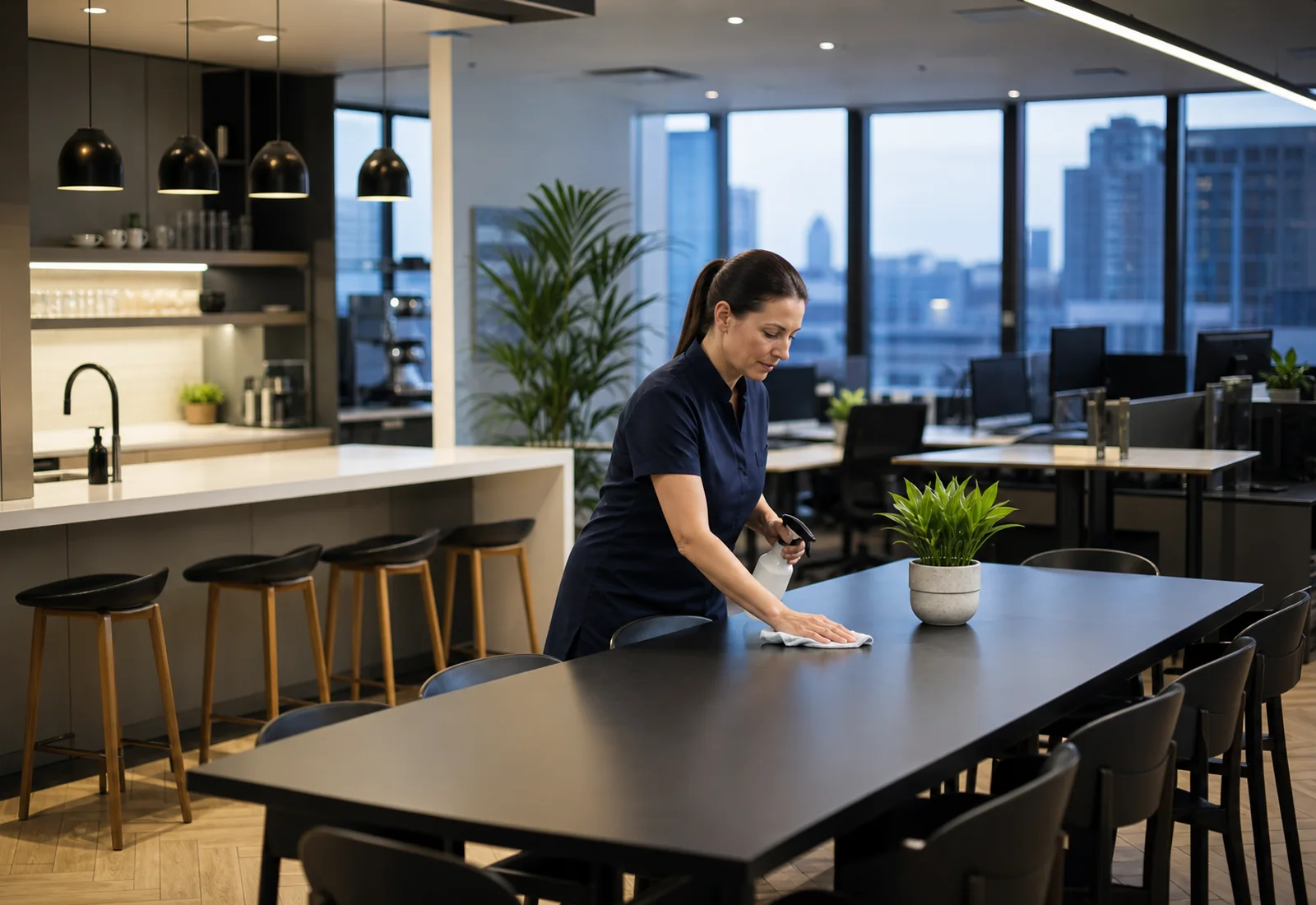
Shelves, ledges and skirting that continue holding dust may release it later. Domestic cleaning can be scoped for surrounding surfaces, with the order arranged to keep debris off treated pile.
Furniture fabric traps particles differently
Dust in upholstery seams and cushions requires tools and testing suited to fabric. Use upholstery cleaning if those items are affected rather than brushing their load onto the carpet.
PROCESS / FOUR DECISIONS
Cleaning action balanced with an efficient dry-down
01
Agree priorities and exclusions
The operative confirms rooms, urgent spaces, furniture limits and later visitors. Textile condition is recorded, including areas where permanent wear may affect appearance even after soil removal.
02
Reduce the load while it is dry
Methodical vacuum extraction addresses open pile, edges and traffic routes. This preparation supports the later rinse and avoids using water to transport particulate matter that could be removed more efficiently first.
03
Apply controlled cleaning action
Pre-conditioner, agitation and contact time are matched to the carpet. The rinse lifts suspended contamination; solution flow is monitored and additional dry strokes improve recovery rather than leaving speed to excessive heat or chemistry.
04
Make the handover room-specific
The finished floor is reviewed for residual spots, shading and moisture. The customer receives practical instructions about footwear, furniture, ventilation and the safest order for bringing each space back into service.
VISIT / HANDOVER
Useful evidence to share before we inspect
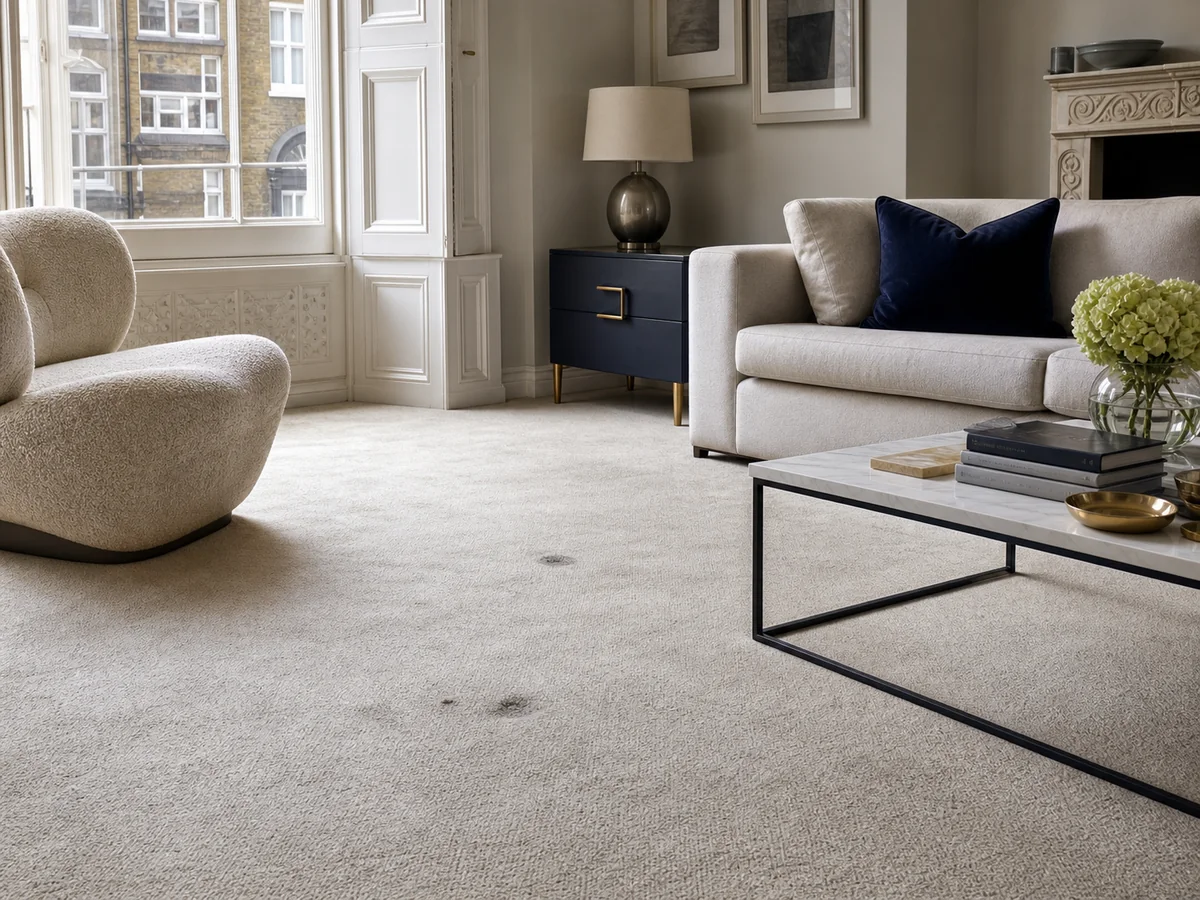
Provide fibre labels, purchase information or care instructions if you have them, but do not worry if these are unavailable. Stop experimenting with stain removers and clear delicate belongings. When the appointment accompanies end of tenancy cleaning, agree the sequence in advance.
MAP / COVERAGE CONTEXT
Plan the route into the Clerkenwell property.
Coverage context for Clerkenwell. This map does not represent a staffed local office.
EXPLORE / NEXT
Related services in Clerkenwell
EXPLORE / NEXT
Nearby areas for carpet cleaning
There is no honest universal interval. Fibre, use, occupants, entrance control, spills and routine vacuuming matter. Inspect condition and seek advice when ordinary care stops managing it evenly.
Clerkenwell questions about carpet-cleaning frequency
How often should my carpet be professionally cleaned?
Sometimes, if construction and blending make partial treatment sensible. The cleaner should explain any risk of a visible boundary and quote the defined area transparently.
Can one traffic lane be cleaned alone?
A suitable professional method is designed to clean safely, but unnecessary or poorly controlled treatment adds no benefit. Condition-led timing avoids both excessive intervention and accumulated abrasive soil.
Does frequent extraction wear carpet out?
No. Seating has different fibres, use and soil. Upholstery cleaning should be assessed independently rather than attached to a carpet calendar.
Should upholstery follow the same schedule?
No. It describes service coverage and practical local context, not a staffed branch.
Send a Clerkenwell room plan that includes the furniture
List carpeted rooms and stairs, then identify sofas, beds, desks and heavy storage that affect access. State what you can clear, include photographs and disclose fragile or connected items. The quotation can then describe reachable floor honestly and organise treatment without risky last-minute furniture decisions. Photograph narrow gaps only when they are genuinely reachable; a visible strip beneath a low frame may not provide enough clearance for proper preparation and extraction. If an item must remain exactly in place, mark it plainly on the room list so the clean can progress around a stable boundary.