
CREEKMOUTH / HARD FLOOR CARE
Hard Floor Cleaning for Creekmouth Properties
Surface-specific cleaning for stone, tile, vinyl and sealed floors, with the method selected after the finish and visible condition are checked.
- Floor material and coating identified first
- Test area used where the finish is uncertain
- Edges and agreed traffic lanes included
- Drying time and safe access planned in advance


Choose the cleaning method from the floor, not the postcode
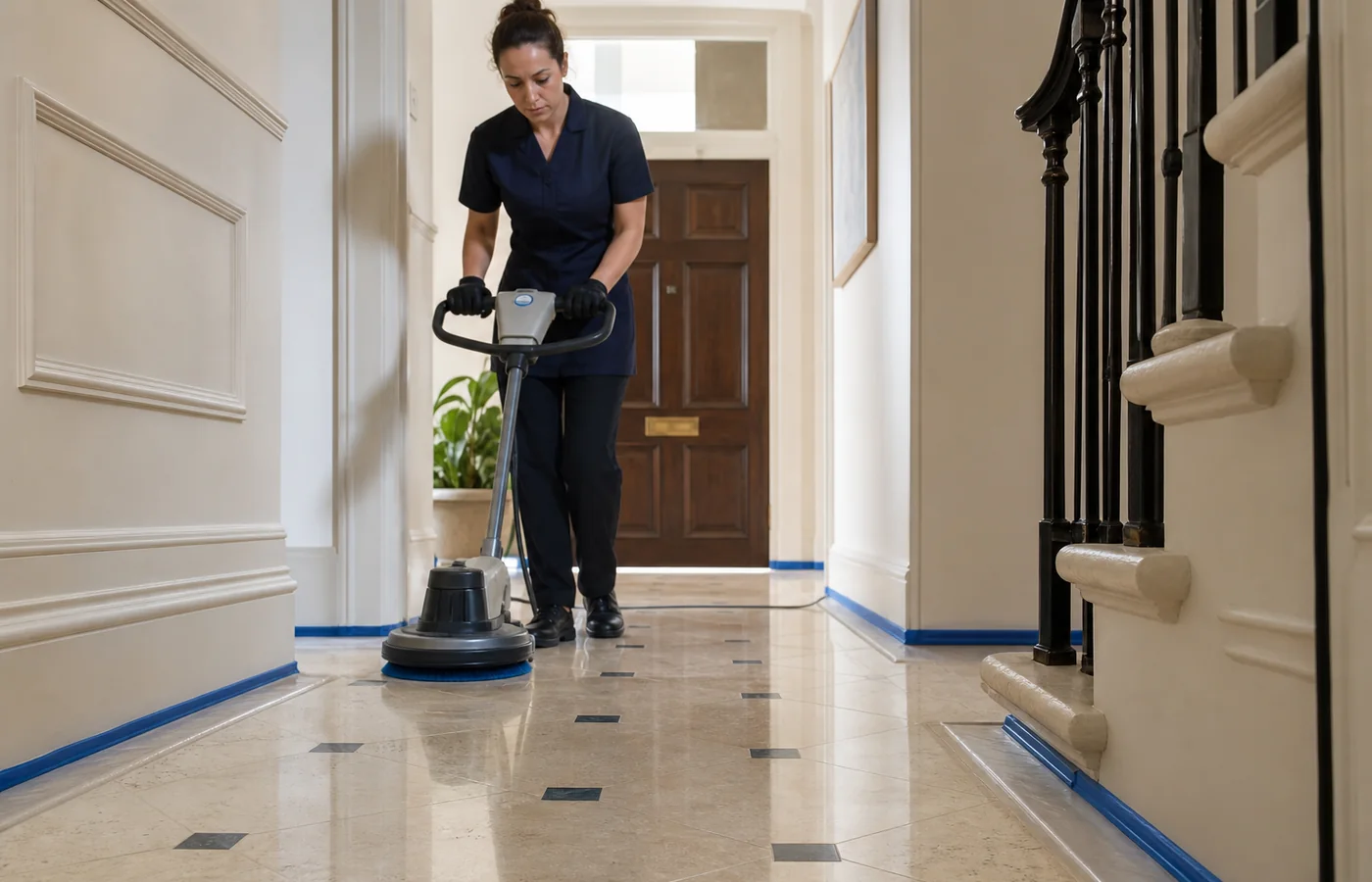
Creekmouth properties can contain several hard-floor finishes within the same address, from ceramic tile and vinyl to sealed timber, natural stone or concrete. These surfaces differ in porosity, joint construction and resistance to moisture or agitation. Before work starts, the operative identifies the accessible material and any coating so the cleaning plan does not rely on a one-product-fits-all assumption.
Heavy traffic lanes, ingrained soil and old maintenance products can change how a floor responds. A discreet test area may be used where the finish is uncertain, particularly around natural stone, worn sealants or colour-sensitive grout. Loose tiles, open joints, lifting edges and existing scratches are recorded as limitations because cleaning cannot correct structural movement or replace a damaged protective layer.
The customer should clear small movable items and identify furniture that must remain in place. Access to water and power, the equipment route and any restrictions on lifts or shared entrances are agreed beforehand. In working or occupied premises, the floor may be divided into sections so that people are not directed across wet surfaces or through the operative’s equipment area.
Drying time depends on the material, ventilation and method used. At completion, the agreed zones are reviewed and any permanent wear, staining or coating failure is distinguished from removable soil. This Creekmouth-specific brief connects the floor construction and access conditions to the actual task instead of repeating a generic neighbourhood description.
SCOPE / CONFIRM BEFORE BOOKING
What the Creekmouth hard-floor visit can include
Included when agreed
- Machine or manual cleaning for the agreed floor zones
- Edge work and accessible traffic lanes
- Surface-appropriate rinse and residue removal
- A test area where the finish is uncertain
Not automatically included
- Repairs to cracked tiles or open joints
- Sanding, sealing or polishing unless quoted
- Moving heavy or fixed furniture
PRICING / CLEAR STARTING POINTS
Hard-floor cleaning quotations for Creekmouth properties
The quotation is based on floor material, accessible area, soil level, existing coatings and the equipment route. Mixed finishes or restoration work are identified separately before the booking is confirmed.
01
Up to 20 m²
Quotation
Accessible hard floor after material review
02
20–40 m²
Quotation
Open floor area with standard condition
03
40–80 m²
Quotation
Method selected for finish and previous treatment
04
Specialist finish
Quotation
Stone, wood or restoration needs assessed
Prices are guide prices.
Final quotation depends on the property, condition and requirements.
SERVICE TEAMS / THE AGREED WORK
Equipment and technique selected for the actual finish

End of tenancy cleaning team
Tenancy handovers organised around the inventory, landlord or letting-agent requirements, appliance additions and the key-return deadline.

Regular domestic cleaning team
Recurring support for kitchens, bathrooms and living spaces, with household priorities agreed for weekly or fortnightly visits.

Window and surface care team
Reachable glazing, frames and sills planned around height, apartment access, neighbouring surfaces and a safe working route.

One-off cleaning team
Single-visit cleaning for moving in, seasonal resets, special occasions or post-renovation tidying, prioritised from the condition on arrival.
The assigned method follows the identified material and condition; polishing, sealing and repairs remain separate unless they are expressly included.
PROCESS / FOUR DECISIONS
Four decisions behind a safer floor-cleaning plan
01
Identify the surface
Confirm tile, stone, vinyl, timber, concrete and any visible coating.
02
Test the response
Use a discreet area when product or agitation tolerance is uncertain.
03
Control the working area
Plan sections, cables and drying routes around occupants and entrances.
04
Check the dry finish
Review accessible zones after drying and separate wear from removable soil.
PREPARATION / BEFORE THE VISIT
Prepare the Creekmouth floor without pre-cleaning it
- Remove small movable items from the agreed floor zones.
- Identify loose tiles, lifting edges, open joints and damaged coatings.
- Confirm water, power, parking and the equipment route.
- Keep people and pets away from wet floors until the advised drying time.
VISIT / HANDOVER
Inspect the cleaned floor after the surface has settled
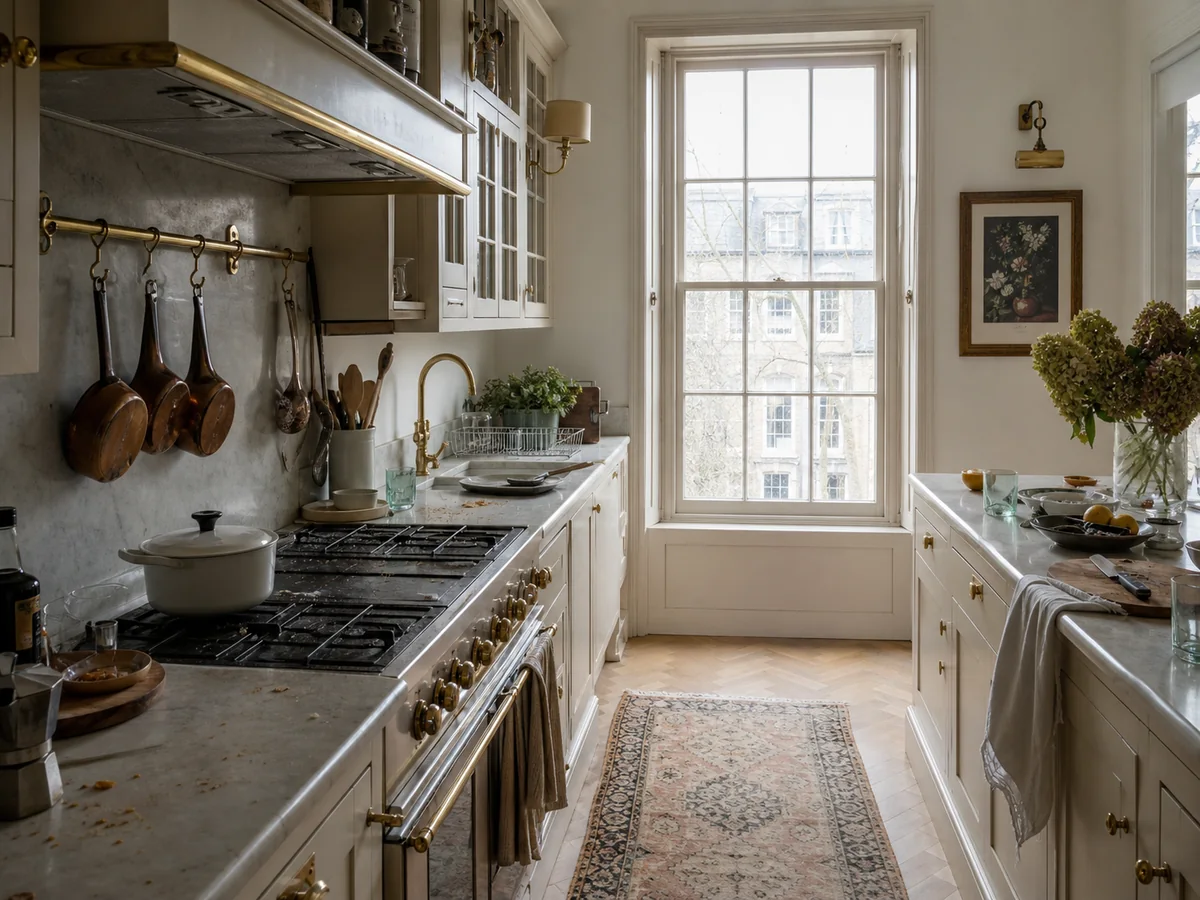
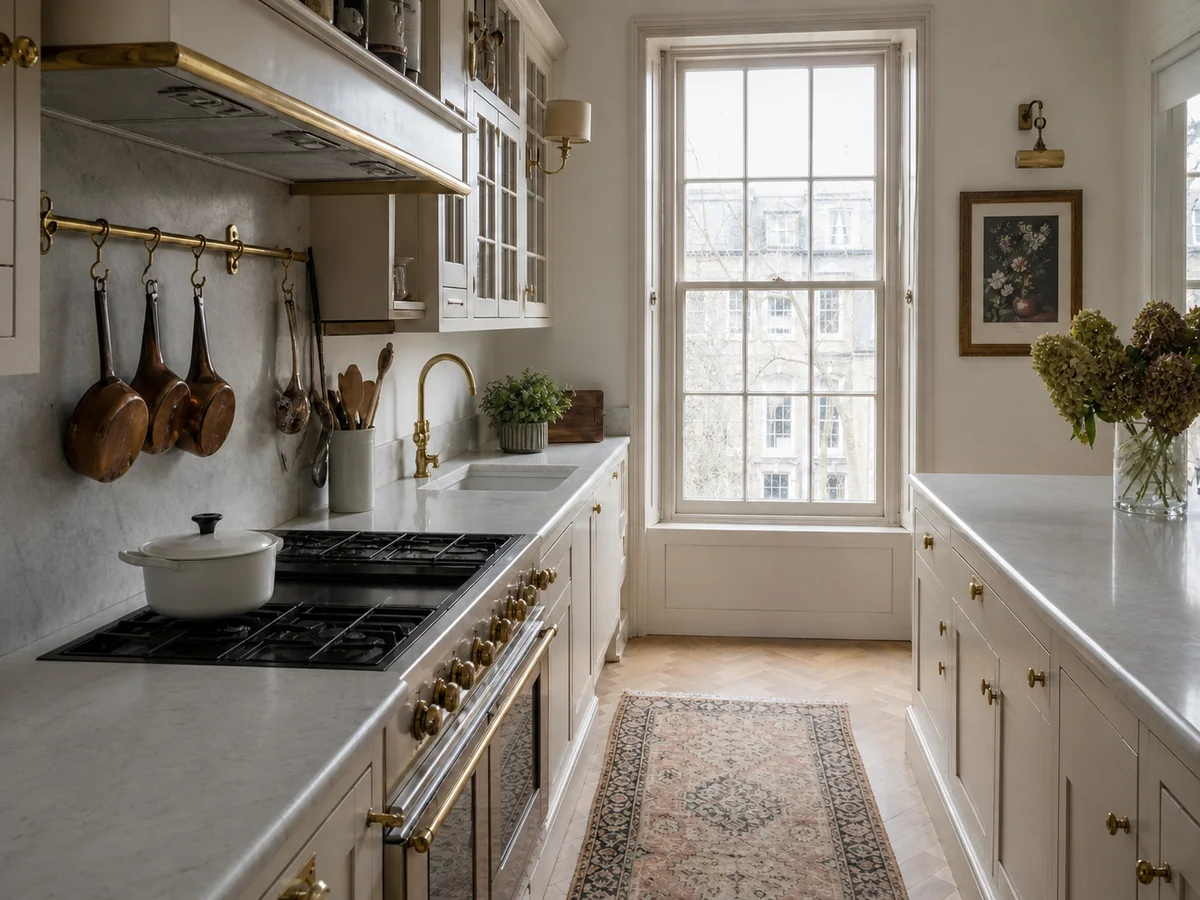
The handover reviews the agreed zones, edges and traffic lanes, with scratches, coating failure and permanent staining reported separately.
Stone, tile, vinyl and timber are not interchangeable
Porosity, grout construction, protective coatings and moisture tolerance determine the method. Acid-sensitive stone, worn sealants, lifting vinyl and unsealed timber need different controls, so the operative confirms the visible finish before choosing product strength or machine action.
Equipment access and occupied routes in Creekmouth
Commercial entrances, shared corridors and residential rooms can all restrict machine movement and cable placement. The customer confirms the legal unloading point, lift or step access and the zones that must remain open so the work can be divided safely without directing people across wet flooring.
Clear small items and flag existing floor damage
Small furniture and loose objects should be removed from the agreed area, while heavy or fixed items remain in place unless movement is quoted. Open joints, cracked tiles, unstable edges, recent coatings and known slip-sensitive areas should be identified before cleaning begins.
Drying, limitations and a checkable Creekmouth handover
Ventilation, material and method affect drying time. The completed zones are reviewed once the surface can be assessed, distinguishing remaining wear, scratches, colour loss or failed sealant from removable soil. Restoration or recoating is not implied by a standard cleaning appointment.
MAP / COVERAGE CONTEXT
Creekmouth coverage and equipment-route planning
Coverage context for Creekmouth. This map does not represent a staffed local office.
RELATED SERVICES / SAME AREA
Related services in Creekmouth
NEARBY AREAS / SAME SERVICE
Hard Floor Cleaning near Creekmouth
FAQ / Hard Floor Cleaning / Creekmouth
Questions to answer before hard-floor cleaning in Creekmouth
How do you choose a method for my floor?
We identify the visible material, coating and condition, then test where tolerance is uncertain.
Will cleaning remove scratches or repair damaged joints?
No. Cleaning removes suitable soil; physical damage and failed coatings require separate repair or restoration.
Should furniture be moved before the visit?
Remove small items from the agreed zones. Heavy or fixed furniture is moved only when specifically quoted.
How long must the floor remain unused?
Drying time varies with the material, method and ventilation; the operative gives an address-specific handover instruction.
Confirm the floor type and cleaning zones for your Creekmouth property
Send the surface type, approximate area and access details so the London team can confirm a suitable scope and appointment.