
Dollis Hill / NW2, NW10
Carpet Cleaning Dollis Hill: Work with Family and Pet Routines
- High-use zones identified without labelling the whole carpet
- Spills, tracked grit and odour concerns assessed separately
- Products kept proportionate to the textile and the problem
- Aftercare designed for a home that returns to daily life
Busy rooms need a map of use, not a harsher clean
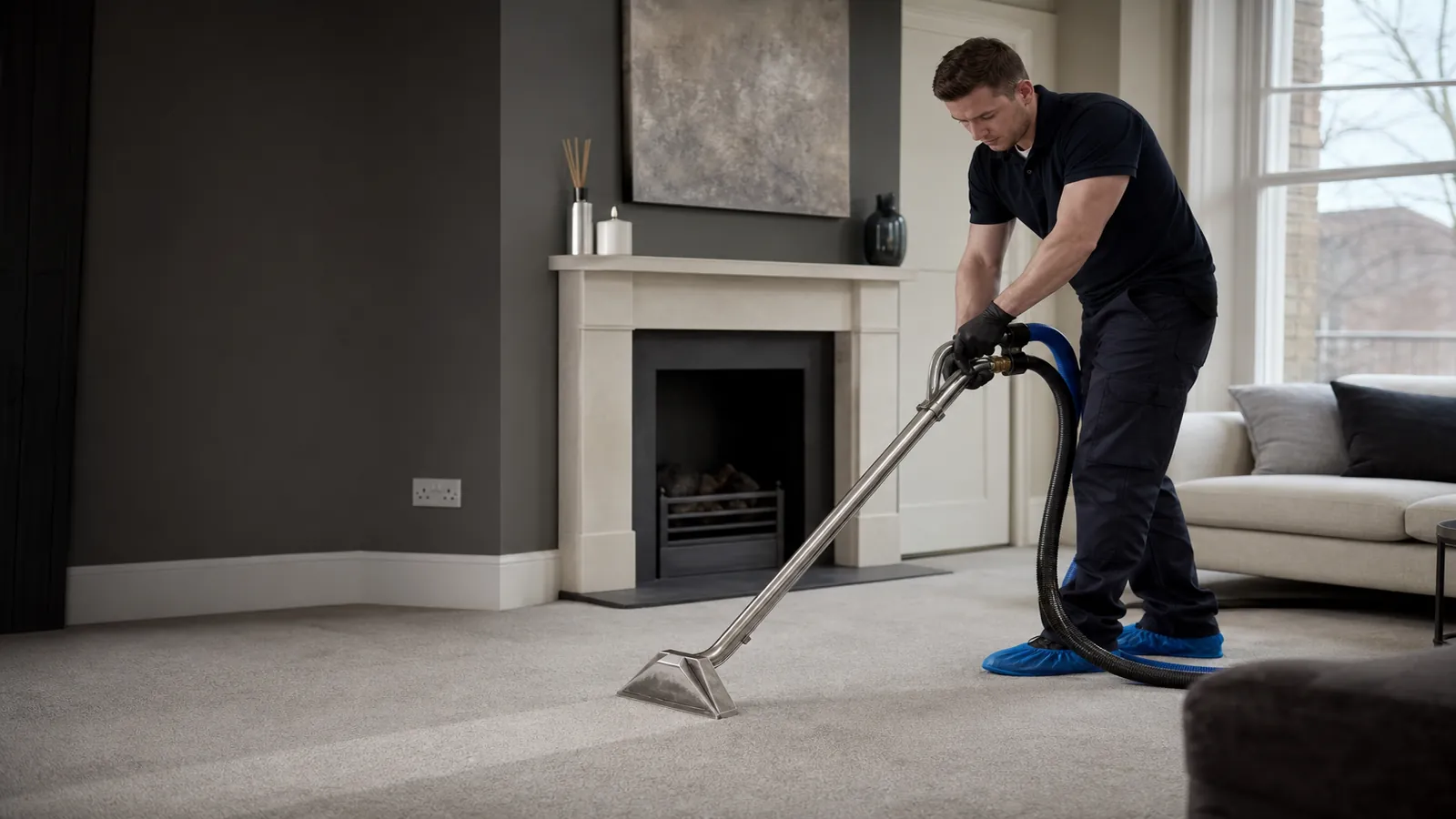
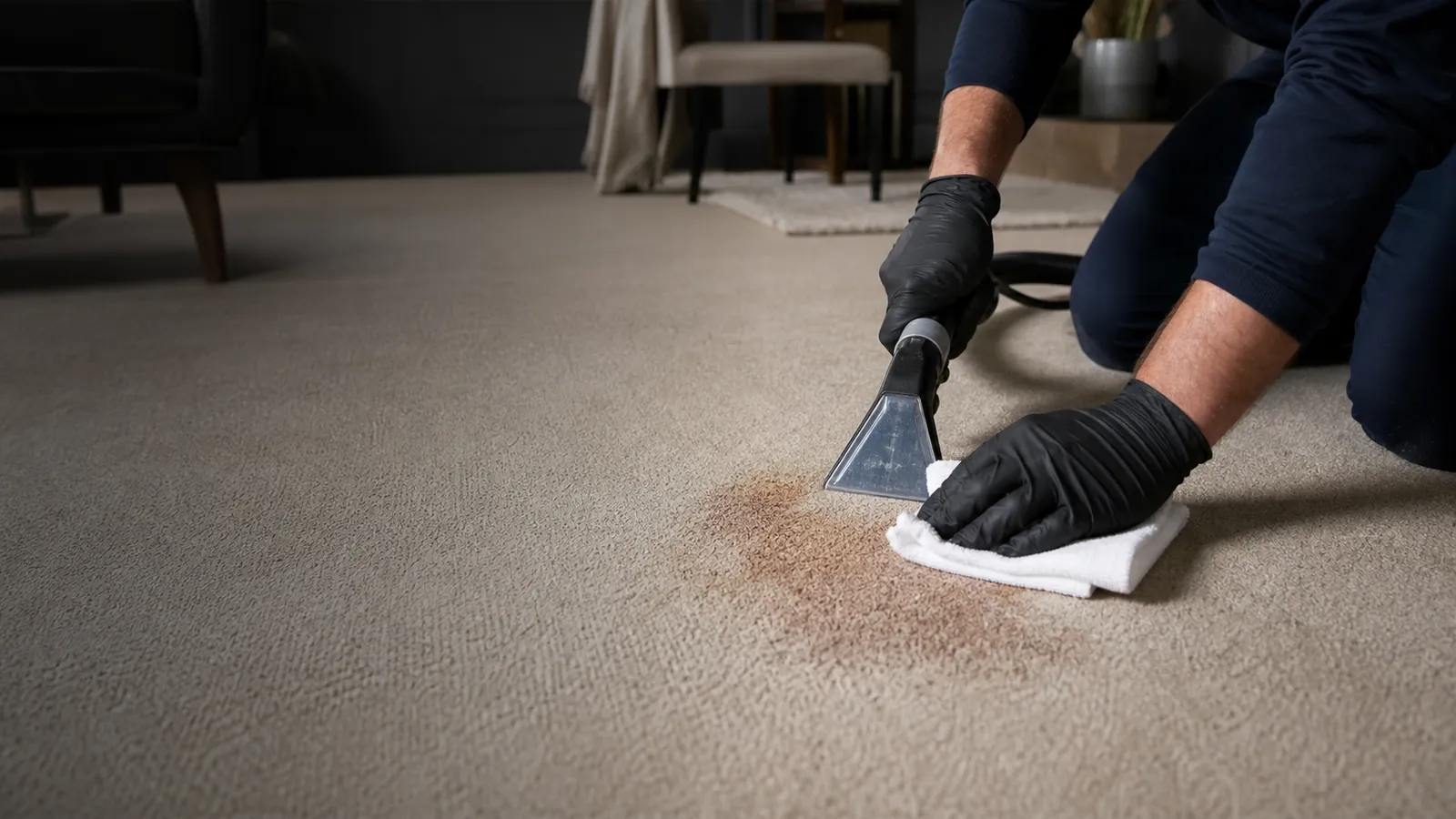
Family life rarely wears a carpet evenly. The route from an outside door, the space around a sofa, a child’s play area and a pet’s preferred resting place can each show a different combination of debris, marks and flattened pile. For a Dollis Hill carpet-cleaning brief, it helps to describe those patterns rather than calling every room heavily soiled. The technician can then distinguish where dry grit is concentrated, where a local spill deserves attention and where appearance is mainly physical wear.
Children and animals do not automatically require a special branded treatment. The important questions concern the actual carpet, the substance present and the way the space must be used afterwards. An unknown odour needs a source discussion; a food spill needs a history; fine outdoor particles need thorough vacuuming. Applying an aggressive product to the whole floor simply because a pet lives in the property is neither precise nor necessarily useful.
Preparation includes a household plan. Toys, feeding items, pet bedding and small furniture should be moved by the occupier. Animals need a secure room away from open doors, hoses and damp carpet. Children should not use the work area as the technician moves equipment. These arrangements protect the household and allow the cleaner to follow a consistent route instead of repeatedly stopping to clear objects.
A carpet visit may form part of regular domestic cleaning, yet the two routines operate at different depths and intervals. Everyday vacuuming and prompt spill response support the carpet between professional appointments. General surface products should not be sprayed onto textile areas, and a professional clean should not be treated as a replacement for ongoing dry-soil removal.
The handover returns the rooms to real use gradually. The customer is told how to ventilate, which routes to keep quiet and when pet beds, rugs or furniture may be replaced. Freshly cleaned pile can pick up debris quickly while damp, so outdoor paws and shoes should stay away. A sensible plan recognises that the property cannot become a showroom; it simply protects the finish during the vulnerable drying period.
PROCESS / FOUR DECISIONS
Use the previous baseline to inform, not dictate
01
Review what changed
The customer describes use since the last clean, current concerns and previous products. Permanent features noted earlier are separated from new condition changes.
02
Reassess the textile
The cleaner checks fibre behaviour, fitting, colour and wear afresh. A method is not repeated merely because it was once suitable.
03
Complete the justified work
Dry preparation, appropriate spot attention and room cleaning proceed in a controlled sequence. Areas outside the agreed maintenance scope are not added without discussion.
04
Create the next reference point
After drying guidance, the customer records the settled result and any acknowledged limitations. Future timing can then follow observation instead of memory.
VISIT / HANDOVER
Bring useful history, not a demand to repeat everything
Locate any previous care notes if available and list new spills, products and changes in use. Vacuum normally rather than hiding the condition with last-minute wet products. Clear small items and decide which rooms genuinely need inclusion. If a permanent mark was identified previously, point it out so the technician can check for change without repeatedly pursuing it.
A photograph can support consistent observation
Take the dry carpet from a repeatable position and similar lighting. The image is not a laboratory measurement, but it can show gradual change in traffic routes. Avoid comparing a damp post-clean photograph with a dry image from another season.
Vacuum frequency follows traffic
Entrance lanes and favourite seating routes may need attention more often than quiet edges. Use equipment suitable for the carpet and empty or maintain it as directed. Slow, overlapping passes are usually more useful than rapid daily gestures.
Renovation dust changes the plan
Fine building residue should be addressed carefully before ordinary maintenance resumes. Describe recent work when booking. The presence of dust does not justify saturating the carpet; effective dry preparation becomes especially important.
Maintenance and moving are separate triggers
A planned end of tenancy cleaning may set a deadline, while routine carpet care is normally flexible. Where both apply, schedule enough drying time and keep the textile scope explicit.
SERVICE TEAMS / THE AGREED WORK
Four records that prevent confusion

The accepted room list
Each carpeted space, stair flight and landing is named. This lets the customer compare the quotation with the property and avoids disagreement about an area hidden behind a generic package description.

The starting-condition note
Visible wear, fading, loose seams and major marks are acknowledged before treatment. The note is not a forensic report; it establishes obvious boundaries between cleaning and physical repair.

The treatment limitation
When a spot cannot be pursued safely, the reason is explained. Fibre damage or unstable colour does not become removable simply because an inspection is imminent. The limitation should remain attached to the correct room.

The dry completion image
A photograph after the carpet settles can support the customer’s wider records. Lighting and angle still matter. The cleaner provides care information, while the booking party controls how evidence is used in the tenancy process.
If the property remains furnished, upholstery cleaning can be quoted separately. Seating cannot be assumed from a carpet inventory and requires independent fabric checks.
PRICING / CLEAR STARTING POINTS
Make every quoted area easy to reconcile
A rental quotation should list bedrooms, reception rooms, halls, stairs and landings separately, along with approximate size, furniture, access and notable marks. State whether the property will be empty and whether another service is operating at the same time. The general cleaning prices page can orient the enquiry, while the accepted figure should leave a clear audit trail of included carpet. Photographs and inventories may support the condition discussion but cannot reveal fibre response or guarantee removal. If an extra room is discovered, agree the revised scope before it is cleaned. This is preferable to relying on a broad phrase such as ‘full property’ that different parties interpret differently. The cost represents the professional process and agreed coverage; it does not purchase a predetermined opinion from a landlord, agent or inventory clerk.
01
Single room
From £15 / room
Compact bedroom or study
02
Double room
From £15 / room
Standard double bedroom
03
Lounge
From £15 / room
Living room with clear equipment access
04
Stairs
Quotation
Standard flight, subject to construction
05
Hallway
Quotation
Reachable hall or landing
06
Whole property
Quotation
Measured rooms and fibre types
Prices are guide prices.
Final quotation depends on the property, condition and requirements.
SCOPE / CONFIRM BEFORE BOOKING
A carpet scope suitable for a documented handover
Included in this brief
- Pre-work room record: confirmation of included carpet, priority marks, access and observable wear or damage.
- Full dry preparation: removal of accessible loose debris before solutions are considered.
- Condition-appropriate cleaning: a suitable method with proportionate spot procedures and no unsupported outcome guarantee.
- Completion explanation: drying guidance and a room-by-room account of improvement and remaining limitations.
Outside this cleaning brief
- The technician does not adjudicate inventory wording, calculate deductions or certify compliance with a tenancy contract.
- Cleaning cannot reverse carpet age, wear, burns, dye loss, pulled fibres, loose fitting or contamination beneath inaccessible layers.
- Rooms, stairs or furnished areas omitted from the accepted scope are not assumed to be included because a handover deadline is close.
PREPARATION / BEFORE THE VISIT
Prepare the Dollis Hill address without pre-cleaning it.
- Confirm the entrance and any requirement involving street-specific parking controls.
- List the rooms or items covered by carpet cleaning.
- Point out sensitive finishes, pets, alarms and anything that must not be moved.
- Agree the key return, completion contact and any building time restriction.
MAP / COVERAGE CONTEXT
Route planning for carpet cleaning in Dollis Hill.
Coverage context for Dollis Hill. This map does not represent a staffed local office.
RELATED SERVICES / SAME AREA
Related services in Dollis Hill
NEARBY AREAS / SAME SERVICE
Carpet Cleaning near Dollis Hill
It depends on carpet guidance, traffic, household use, condition and priorities. Observe the floor and maintain it routinely rather than relying on one universal interval.
Maintenance questions for Dollis Hill carpet care
How often should professional cleaning be booked?
Suitability, technique and moisture matter more than a slogan about frequency. Unnecessary or poorly controlled work can be unhelpful; justified professional care should follow inspection.
Does frequent cleaning damage carpet?
Yes, request the rooms that need work and list stairs separately. Each included carpet is assessed, and quiet areas do not have to be added merely for symmetry.
Can I book only the high-use rooms?
Keep notes on permanent limitations, drying, products used if provided, and a dry reference image. Monitor traffic routes and new incidents rather than expecting the carpet to remain unchanged.
What should I record after the visit?
No. The map describes service coverage; it does not identify a staffed local branch.
Build the booking from what the carpet shows now
For carpet cleaning in Dollis Hill, list the areas that have changed, the use behind that change and any previous products or professional work. The appointment can then create a reliable new baseline, with no artificial recurring interval and no pressure to include rooms that do not need attention.