
Goodmayes / IG3, RM6
Carpet Cleaning Goodmayes: Make Shared Access Part of the Brief
- Arrival details agreed before equipment is unloaded
- A workable route through entrances, corridors and lifts
- Occupied rooms sequenced to limit disruption
- Carpet care judged independently from building logistics
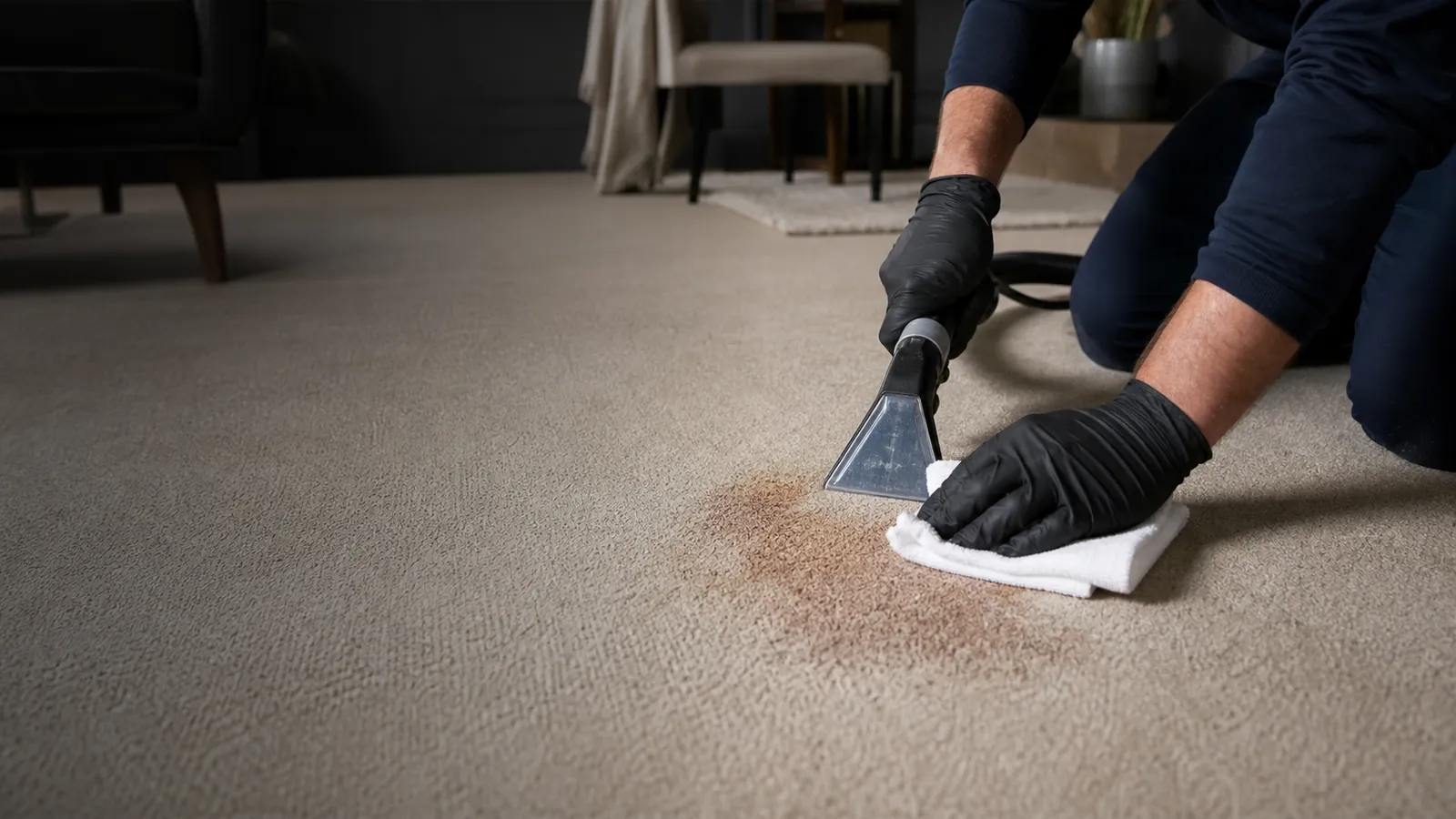
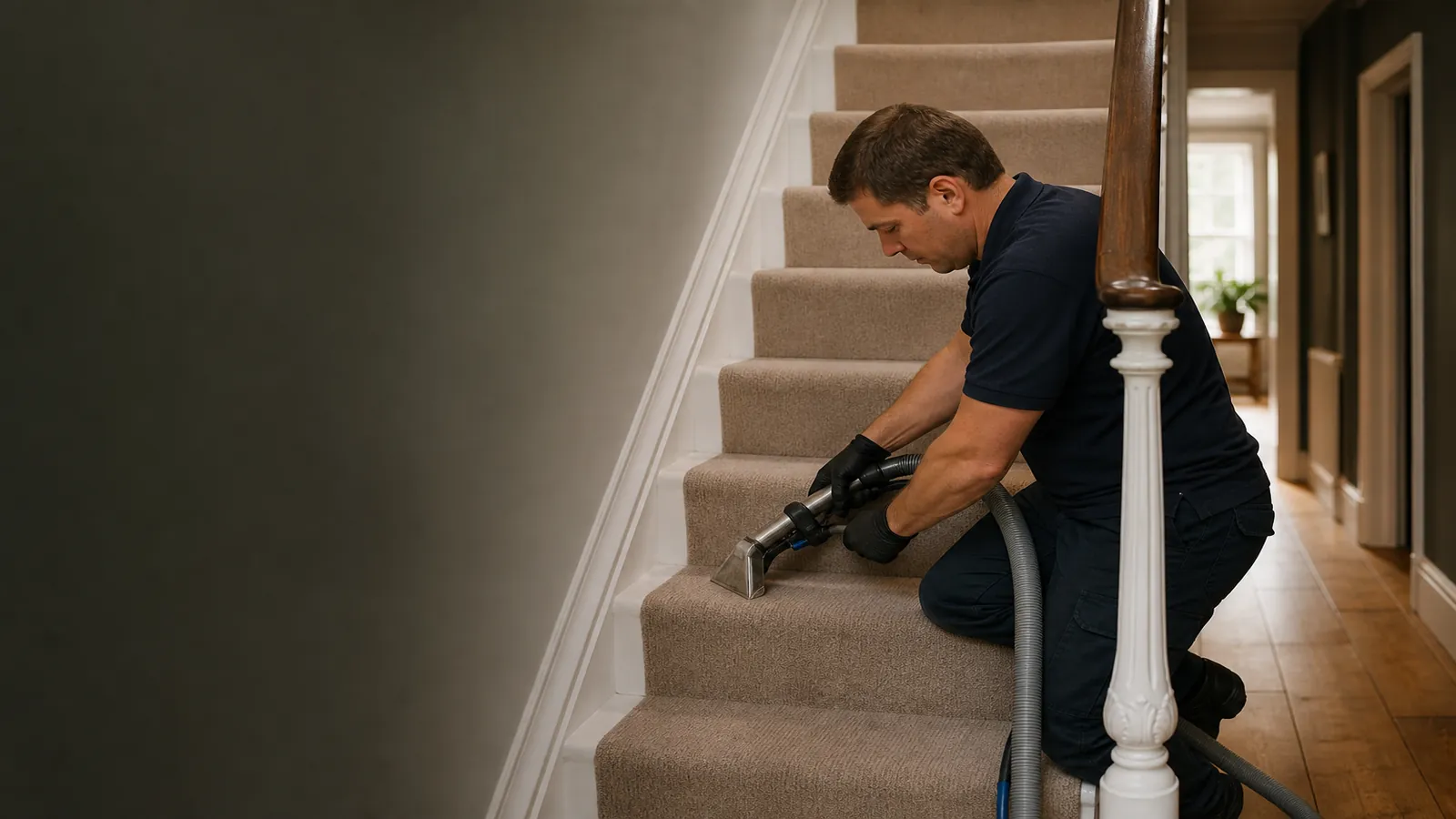
The journey to the carpet can shape the appointment
A booking may look simple on a room list yet become difficult if the route into the property has not been discussed. Entry systems, shared corridors, stairs, lifts, loading restrictions and distance from parking can all affect how equipment reaches the carpet. None of those details changes the cleaning standard, but they influence setup time, safe movement and the order in which spaces can be completed. For a Goodmayes enquiry, a concise access note is as useful as an accurate room count.
The best information is practical rather than elaborate. Explain which entrance should be used, whether someone must meet the cleaner, where a lift is located, and whether any shared route must remain unobstructed. If access is controlled by a concierge, landlord or building manager, confirm the arrangement before the appointment. The cleaner should not have to leave machinery unattended while trying several doors or discovering a restriction that could have been resolved earlier.
Inside the property, the same principle applies. A home office, occupied bedroom or main walkway may need to stay available for part of the visit. The customer and technician can agree a room sequence that creates a temporary clean route without repeatedly crossing damp carpet. This does not guarantee uninterrupted access to every space; it turns unavoidable restrictions into a planned part of the day.
Some customers combine carpet work with domestic cleaning. Coordination is helpful when the order is explicit. Dusting, high-level work and movement of small belongings should generally be addressed before the relevant floor is cleaned, while products intended for hard surfaces should be kept away from textile areas. The two teams or tasks need a shared timetable, not a blurred scope.
Once equipment is in place, carpet decisions return to the material itself. Fibre response, colour stability, pile condition, dry debris and individual marks determine the method. A complicated entrance should never become a reason to rush inspection or apply one treatment everywhere. The handover then includes both the carpet outcome and the safe removal route, leaving common areas as orderly as they were found.
PROCESS / FOUR DECISIONS
Pause work, clear safely, then restore the office
01
Agree the downtime
The customer identifies essential working hours and secures data, electronics and documents. A realistic window is reserved for cleaning and drying.
02
Define the accessible textile
The technician checks desk boundaries, cable routes, furniture and carpet condition. Unsafe movement requests are removed from the scope.
03
Prepare and treat the room
Dry debris is extracted, spots assessed and the suitable method applied consistently to reachable carpet. Completed areas are protected from equipment movement.
04
Reopen the workspace carefully
The customer reviews limitations and follows guidance before returning chair mats, wheeled furniture, cables and normal traffic.
VISIT / HANDOVER
Let the user clear the technology
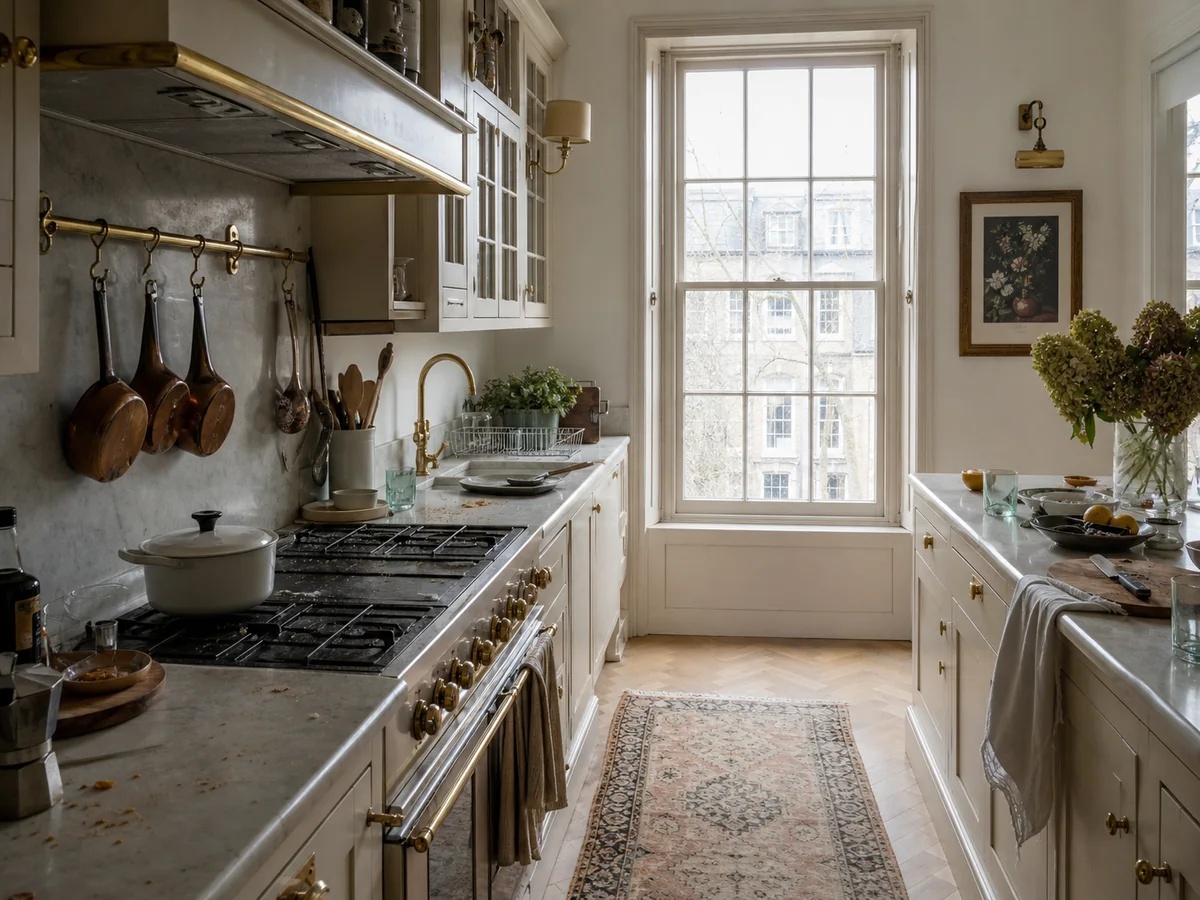
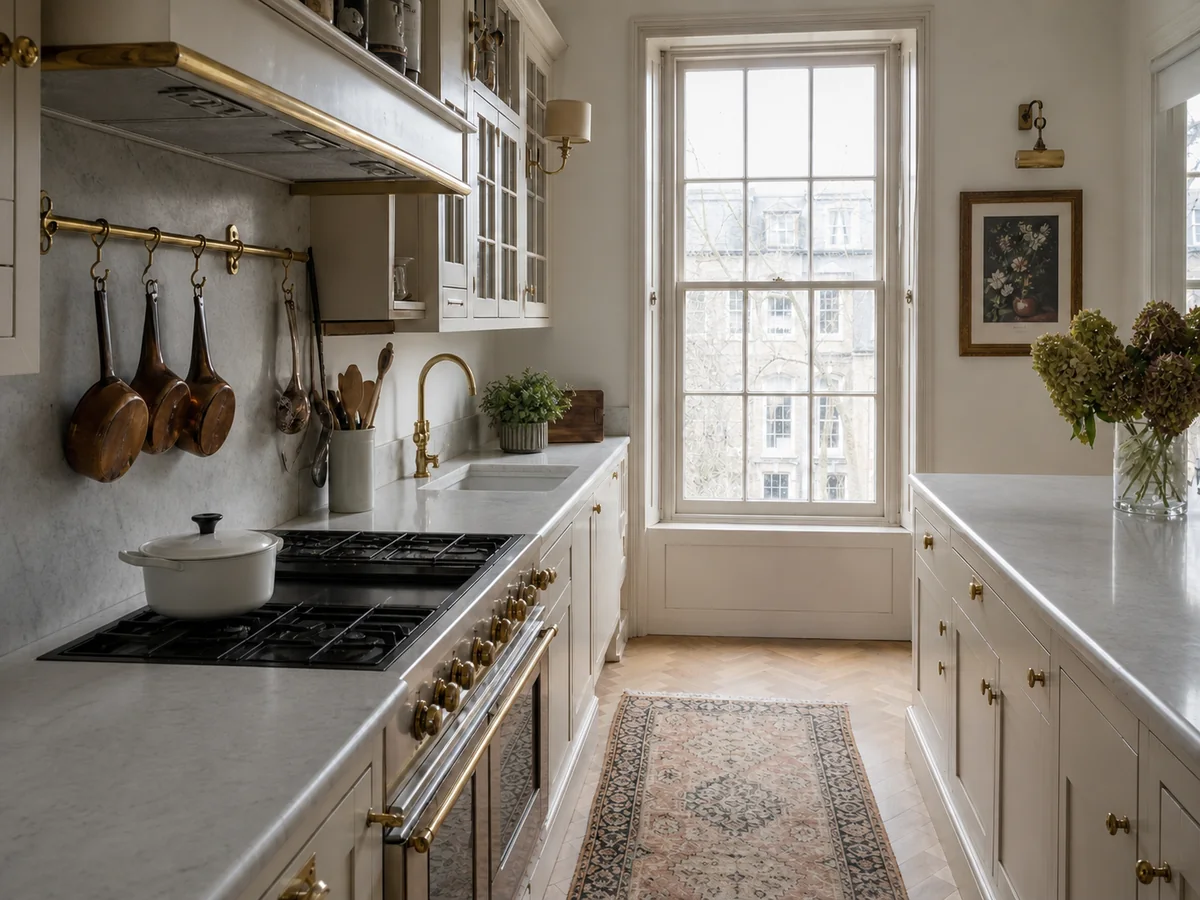
Save work, shut down or secure electronics, remove confidential papers and manage cables according to the equipment. Clear cups, waste bins, small furniture and chair mats. Tell the cleaner what cannot move and whether the room has a firm use deadline. Do not place electrical extensions on damp carpet or reconnect the workspace before the handover advice allows.
Chair mats can hide a colour contrast
Covered carpet may be less faded or soiled than the surrounding route. Removing the mat reveals a history difference that cleaning may not fully blend. Inspect the boundary before treatment and replace the mat only after drying.
Coffee residue may return visually
Sugar or milk residue can attract fresh debris after an incomplete home attempt. Tell the technician what was used. Suitable rinsing and recovery may help, while permanent dye change remains a limitation.
Equipment heat and feet matter
Computer towers, chargers and metal furniture feet should not sit on damp carpet. Moisture can be trapped and finishes may transfer. The customer controls reconnection after the textile is ready.
A work move has another cleaning context
If the office is being vacated, end of tenancy cleaning can be scheduled before the carpet stage. Remove equipment first and allow a dry review before handover.
SERVICE TEAMS / THE AGREED WORK
Four visual effects worth checking

Pile reversal and shading
Fibres lying in different directions reflect light unevenly and can create a dark shape that changes as the viewer moves. Cleaning may improve soil-related dullness, but it does not necessarily alter the underlying pile orientation.

Sunlight and covered areas
A section beneath furniture may retain a deeper original colour while exposed carpet fades. Once the item moves, the contrast can resemble dirt around a clean rectangle. The cleaner records this history instead of trying to bleach or over-clean the difference away.

Residue on a pale carpet
A small amount of sticky product can attract visible soil quickly on a light background. Previous spot-cleaning history is valuable. Controlled rinsing may be relevant where suitable, but permanent colour change must first be ruled out.

Pattern hiding preparation needs
A busy design can disguise grit along routes and edges. The absence of a dramatic dark lane does not make vacuuming optional. Systematic preparation supports both cleanliness and a more even final presentation.
A pale sofa may show similar contrast for entirely different material reasons. Use upholstery cleaning for a separate fabric assessment rather than extending carpet assumptions onto furniture.
PRICING / CLEAR STARTING POINTS
The quotation covers rooms and condition, not a shade guarantee
When requesting a quote, list the carpeted rooms, dimensions, stairs, landings, furniture and marks that concern you. Mention pale colours, strong patterns or obvious fading as observations, not as demands for a guaranteed colour match. Photographs taken from the main doorway and another angle can help the initial discussion, although camera exposure may exaggerate or hide contrast. The cleaning prices page offers general reference points. A confirmed figure should identify preparation, the included floor area and routine spot assessment rather than charging by the number of shadows visible in a photograph. If inspection shows that a patch is damaged or unstable, the technician should explain why further treatment is not good value. A sound quotation pays for deliberate work and honest judgement, not for a promise that lighting will never reveal natural pile variation again.
01
Single room
From £15 / room
Compact bedroom or study
02
Double room
From £15 / room
Standard double bedroom
03
Lounge
From £15 / room
Living room with clear equipment access
04
Stairs
Quotation
Standard flight, subject to construction
05
Hallway
Quotation
Reachable hall or landing
06
Whole property
Quotation
Measured rooms and fibre types
Prices are guide prices.
Final quotation depends on the property, condition and requirements.
SCOPE / CONFIRM BEFORE BOOKING
What an appearance-aware clean includes
Included in this brief
- Multi-angle inspection: viewing of traffic routes, shading, furniture boundaries and marks from useful positions around the room.
- Consistent dry preparation: vacuuming across the accessible floor so later decisions are not based on loose debris alone.
- Material-led cleaning: tests and treatment selected for the carpet, with local work blended into a coherent room process.
- Perspective-based review: final assessment from entrances and normal use points, with permanent visual variation explained.
Outside this cleaning brief
- Cleaning cannot restore dye faded by light, rebuild crushed or worn pile, or guarantee removal of every contrast on a pale surface.
- Furniture impressions are not promised to disappear; fibre recovery depends on construction, duration, weight and physical change.
- Colour correction, carpet repair and replacement of damaged sections are not included in routine textile cleaning.

PREPARATION / BEFORE THE VISIT
Prepare the Goodmayes address without pre-cleaning it.
- Confirm the entrance and any requirement involving street-specific parking controls.
- List the rooms or items covered by carpet cleaning.
- Point out sensitive finishes, pets, alarms and anything that must not be moved.
- Agree the key return, completion contact and any building time restriction.
MAP / COVERAGE CONTEXT
Route planning for carpet cleaning in Goodmayes.
Coverage context for Goodmayes. This map does not represent a staffed local office.
RELATED SERVICES / SAME AREA
Related services in Goodmayes
NEARBY AREAS / SAME SERVICE
Carpet Cleaning near Goodmayes
Not automatically. Weight, connections, stability and space matter. The accessible boundary should be described when booking, and the user handles sensitive equipment.
Home-office carpet questions for Goodmayes
Will you move the computer desk?
The room normally needs a genuine pause while equipment and damp carpet are present. Discuss scheduling, but do not expect continuous desk access.
Can I keep working during the clean?
Soil may improve, but crushed or worn pile can remain visible. The technician separates mechanical change from removable debris.
Will chair-wheel marks disappear?
After the carpet is dry and the handover guidance permits. Replacing it early can trap moisture and alter drying.
When can the chair mat return?
No. The map describes service coverage; it does not identify a staffed local branch.
Send the workspace layout with the room size
For carpet cleaning in Goodmayes, explain the desk, cables, chair route, fixed equipment and accessible floor. Add drink marks and the hours when the office can be unused. The resulting plan protects technology, gives the carpet a complete professional process and sets a realistic return-to-work point.