
Lambeth / SE1
Carpet Cleaning Lambeth: A Clear Plan for Soil, Fibre and Access
- Treads counted separately from adjoining rooms
- Nosings and turns inspected for wear before cleaning
- Edge soil removed without forcing moisture into gaps
- Safe access maintained while each section is treated

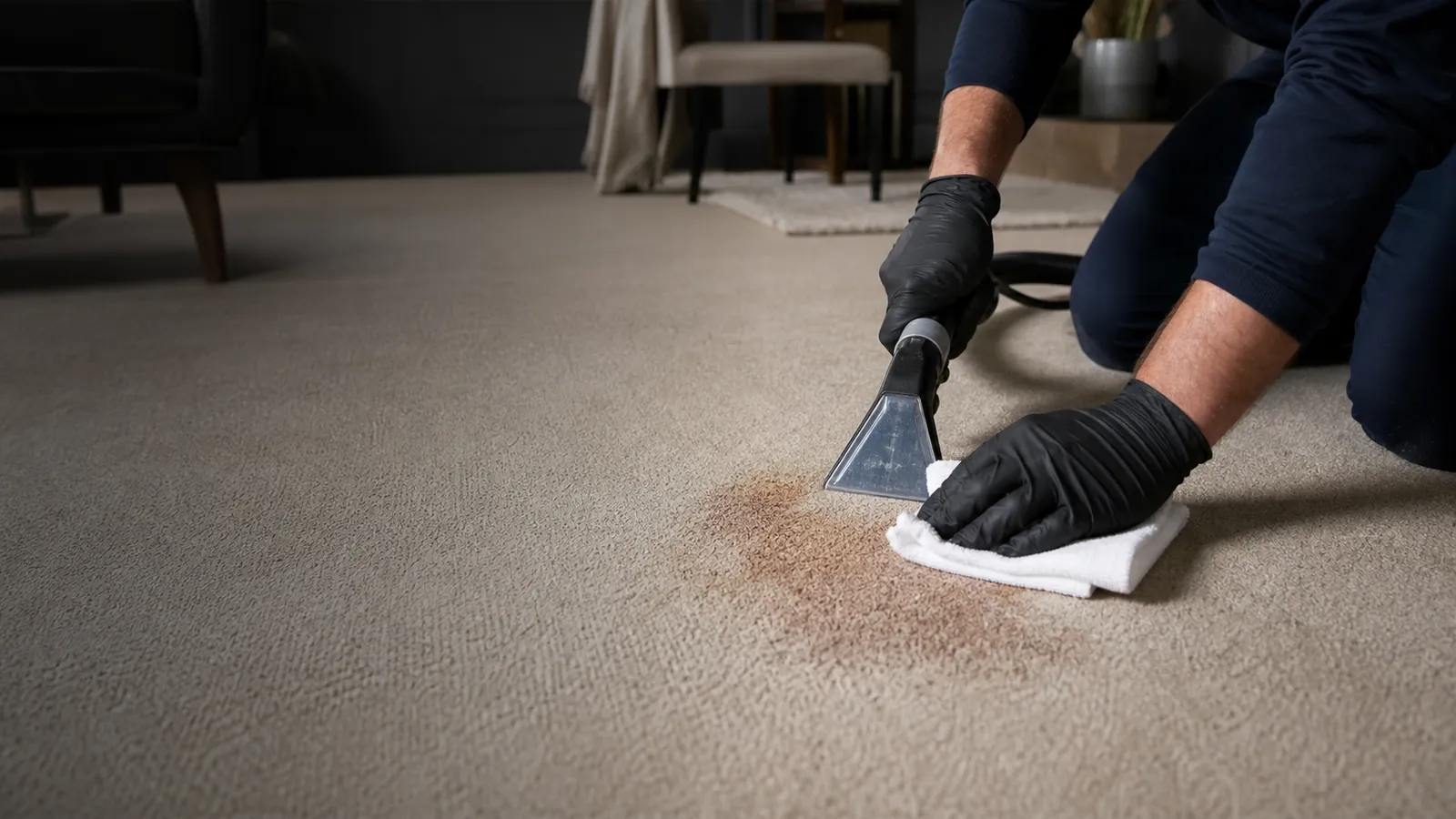
Carpet cleaning in Lambeth with fibre and access details checked
Carpet cleaning in Lambeth needs to account for Victorian terraces, estate flats and riverside apartments. Fibre type, pile construction, previous treatments and the backing beneath the carpet determine which method is appropriate; visible colour alone is not enough to choose chemistry or moisture levels.
A useful inspection separates general soil from individual stains, flattened traffic lanes and permanent fibre damage. Entrance routes, family rooms, pets and rented bedrooms often need different pre-treatment. Professional carpet cleaning should therefore begin with testing, careful vacuuming and realistic expectations for older marks.
Locally, controlled parking, shared entrances and commuter traffic can affect how extraction equipment reaches the property. Confirm parking, floor level, water access and furniture movement before arrival. Ventilation and pile depth also influence drying, so rooms should not be put back into heavy use immediately after treatment.
Where sofas or dining chairs show related wear, coordinated upholstery care may be practical, but only after the fabric has been assessed separately. Tenants should allow enough drying time before checkout photographs or an inventory inspection.
- Fibre check. Identify pile, backing and previous treatments.
- Stain assessment. Separate removable soil from permanent damage.
- Access plan. Confirm parking, stairs, lifts and water supply.
A single property can contain several safe operating ranges
Matching colour does not prove matching fibre. A fitted bedroom carpet, hall runner and stair covering can come from different manufacturers, use different backing and respond differently to moisture. The Lambeth page is organised around mixed construction: inspect every textile change, then connect the work through a coherent room plan without forcing one machine setting across them all.
The customer provides labels and care records where available. On site, the operative looks at pile, joins, texture, backing clues and colour response. A discreet test on one room supplies evidence only for that material; it is not used as permission to repeat the same chemistry on a neighbouring carpet that merely looks similar.
Dry-soil removal remains relevant across constructions but equipment settings may differ. A delicate loop needs protection from unsuitable brushing, while a robust cut pile may tolerate another approach. The cleaner chooses agitation for the fibre rather than maximising it to make the process appear more powerful.
Wet treatment is divided at thresholds and changes in installation. Pre-conditioner, solution temperature, rinse flow and recovery are adjusted where evidence supports it. The room sequence avoids carrying an unsuitable product across a join and records any section deliberately treated with a more conservative method.
Results are reconciled without pretending the textiles share one history. One carpet may brighten markedly; another may retain fading or old pile distortion. The handover explains response, residual marks and drying by room. Consistency means every construction received appropriate care, not that every floor must finish with identical colour or handle.
SERVICE TEAMS / THE AGREED WORK
Four conditions that change the cleaning plan

Grit through a busy route
Dry particles migrate down the pile and act abrasively when walked on. Repeated, methodical vacuum passes come before pre-spray so the later moisture is not used to turn loose debris into slurry.

A spill with an uncertain history
Colour alone does not reveal what caused a mark. We ask when it appeared, what was applied and whether it changed afterwards, then test a restrained treatment before considering another attempt.

Shading that follows the pile
Carpet can look light from one direction and dark from another. Viewing it across the room and gently altering pile direction helps distinguish optical shading from contamination that can be rinsed away.

Worn edges and thresholds
Doorways may combine soil with abrasion or loose finishing details. The area is cleaned within safe limits, but structural deterioration is recorded so that a cosmetic improvement is not presented as a repair.
These profiles are diagnostic examples. The treatment used in an Lambeth property follows the textile found on site, not a preset method attached to a room name.
Deodorising language needs a defined object
A product may neutralise certain accessible residues, but it cannot be said to treat an unseen building layer merely because it is applied above it. The quotation should name the carpet area and avoid a property-wide odour guarantee.
More liquid can widen the problem
Flooding may spread dissolved material or carry it towards backing. Targeted application, extraction and dry strokes are safer than repeated unmeasured attempts, particularly when the original volume and depth are uncertain.
Drying changes what the nose perceives
Odour intensity can vary while moisture leaves the textile. The final judgement should not be made from added perfume or the first minutes after extraction. Follow the handover and report a continuing concern once conditions stabilise.
Coordinate tenancy work without hiding the incident
When end of tenancy cleaning is also planned, disclose the affected carpet rather than assuming a general clean includes remediation. Sequence can be coordinated, but limitations remain written separately.
PRICING / CLEAR STARTING POINTS
Layered contamination needs a declared scope
Provide carpeted area, stairs, fibre, furnishings, access, spill history and any section with a different feel. Published information is on the prices page. The Lambeth quote covers the floor treatment described, not unlisted cleaning of the surrounding source.
01
Single room
From £15 / room
Compact bedroom or study
02
Double room
From £15 / room
Standard double bedroom
03
Lounge
From £15 / room
Living room with clear equipment access
04
Stairs
Quotation
Standard flight, subject to construction
05
Hallway
Quotation
Reachable hall or landing
06
Whole property
Quotation
Measured rooms and fibre types
Prices are guide prices.
Final quotation depends on the property, condition and requirements.
PROCESS / FOUR DECISIONS
Map, prepare, treat and reconcile the result
01
Create the room condition map
The cleaner confirms the schedule, looks for changes in fibre or installation and records damage before furniture is moved. Known spills and previous products are attached to their precise locations.
02
Remove dry matter by priority
Vacuuming covers every agreed area, but additional direction changes and edge work are used where the particulate load warrants them. This is a planned response to evidence, not a skipped stage in quieter rooms.
03
Apply the right intensity to each zone
Pre-conditioning and agitation remain compatible with the carpet. Stain work is kept local, extraction follows an efficient route, and recovery passes reduce moisture before the team progresses onto the next section.
04
Compare without forcing uniformity
The finished rooms are viewed under their available light and from changing pile directions. The handover identifies soil removal, residual wear and any area needing longer protection while drying.
VISIT / HANDOVER
Tell us how the rooms will be used afterwards


Clear portable belongings, identify the room needed soonest and disclose any visitors or contractors following the clean. Avoid applying fresh stain products. When routine housework is also required, arrange domestic cleaning as a separate scope with an agreed sequence.
SERVICE SCOPE / READ BEFORE BOOKING
A furnished-room carpet scope with no hidden assumptions
Included in this brief
- Agreement about movable items and inaccessible floor sections
- Inspection of open pile, furniture edges, marks and traffic routes
- Dry preparation followed by suitable pre-treatment and extraction
- Finishing, appropriate furniture protection and aftercare guidance
Outside this cleaning brief
- Dismantling beds, wardrobes, desks or connected equipment
- Liability-free movement of overloaded, fragile or unsafe objects
- Cleaning concealed carpet that cannot be reached during the booking
MAP / COVERAGE CONTEXT
Plan the route into the Lambeth property.
Coverage context for Lambeth. This map does not represent a staffed local office.
EXPLORE / NEXT
Related services in Lambeth
EXPLORE / NEXT
Nearby areas for carpet cleaning
There is no honest universal interval. Fibre, use, occupants, entrance control, spills and routine vacuuming matter. Inspect condition and seek advice when ordinary care stops managing it evenly.
Lambeth questions about carpet-cleaning frequency
How often should my carpet be professionally cleaned?
Sometimes, if construction and blending make partial treatment sensible. The cleaner should explain any risk of a visible boundary and quote the defined area transparently.
Can one traffic lane be cleaned alone?
A suitable professional method is designed to clean safely, but unnecessary or poorly controlled treatment adds no benefit. Condition-led timing avoids both excessive intervention and accumulated abrasive soil.
Does frequent extraction wear carpet out?
No. Seating has different fibres, use and soil. Upholstery cleaning should be assessed independently rather than attached to a carpet calendar.
Should upholstery follow the same schedule?
No. It describes service coverage and practical local context, not a staffed branch.
Plan an Lambeth clean with the next month in mind
Tell us how the rooms are used, when they were last treated, which products have touched any marks and whether the pile currently feels sticky or stiff. Add measurements, stair details and access information. We can then discuss a service designed to remove recoverable soil cleanly and leave a manageable maintenance baseline. Note any area that re-soils unusually quickly, as its position and treatment history may reveal a different maintenance concern from general footfall.