
Mapesbury / NW2
Carpet Cleaning Mapesbury: Keep the Rental Evidence Clear
- Rooms and pre-existing limitations recorded before treatment
- Cleaning outcome kept separate from deposit decisions
- Enough time allowed for drying and a final walkthrough
- No promise to erase wear, fading or historic damage
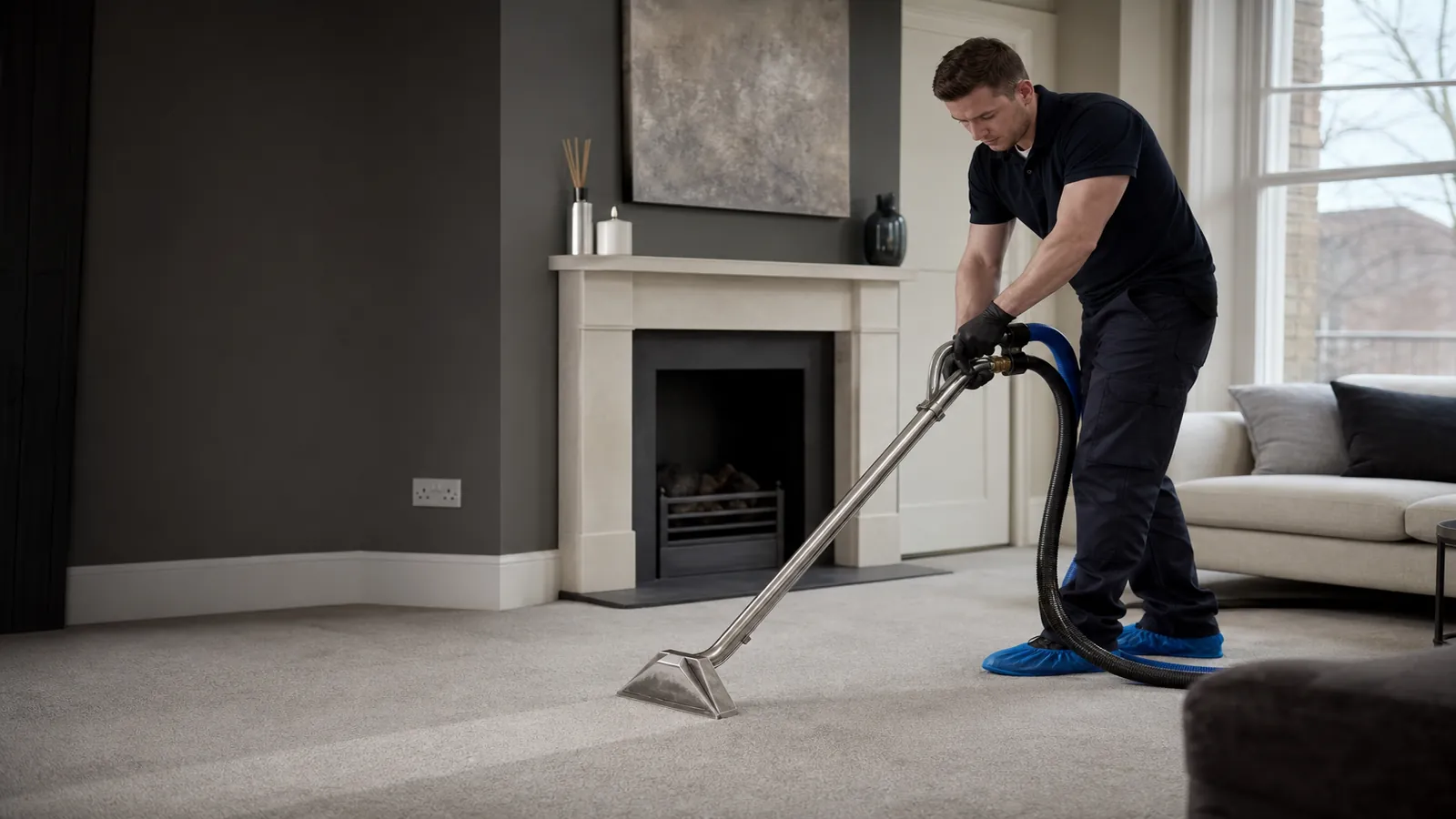
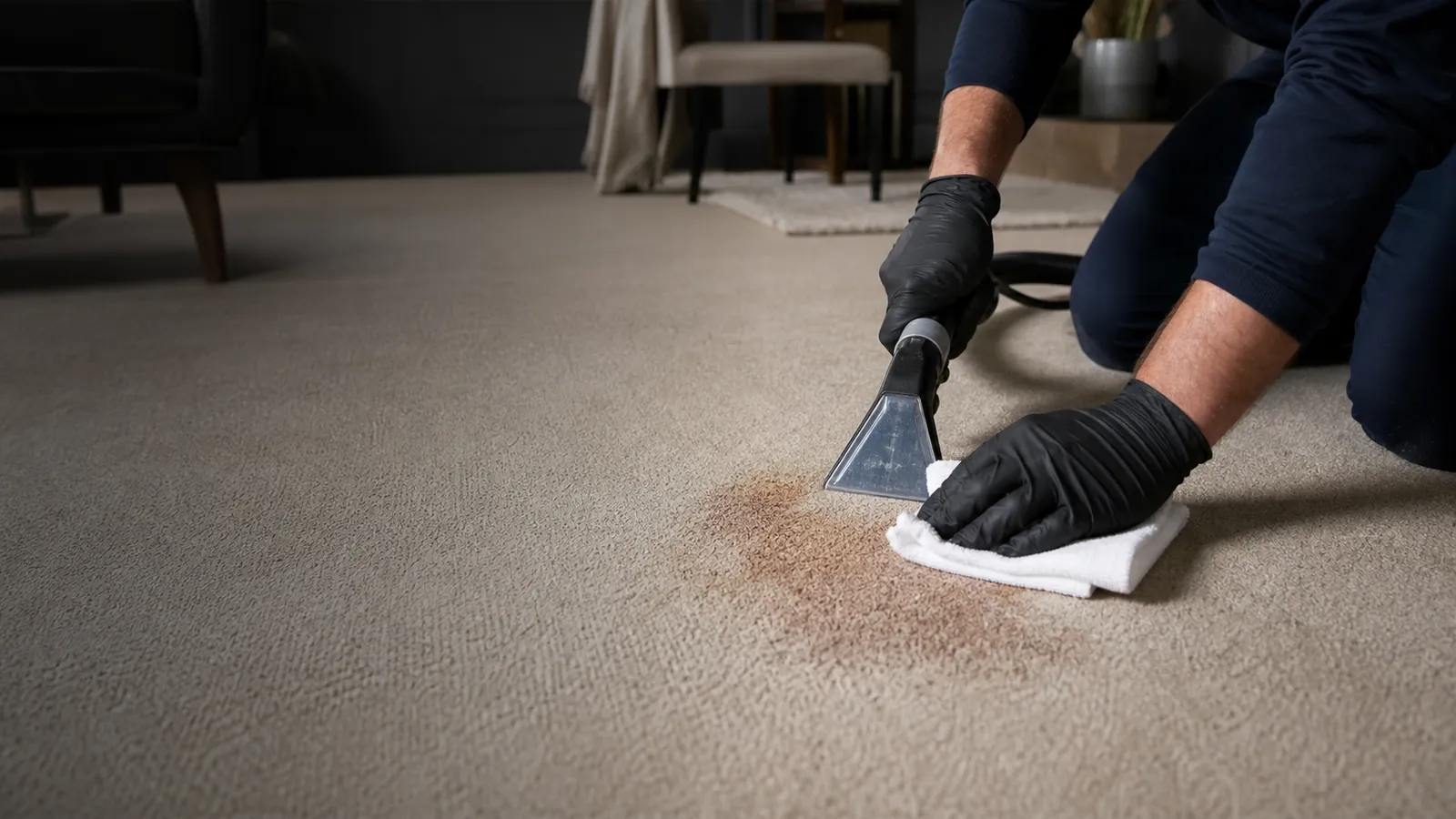
A clean carpet and a clear condition record serve different purposes
Rental transitions often place carpet work close to an inspection, key return or new occupancy. That deadline makes documentation important, but it does not alter what cleaning can physically achieve. Wear on a stair turn, sunlight fading, old bleaching and damaged seams remain even when removable soil has been addressed. For a Mapesbury booking, the room list and visible limitations should be recorded before work so the finished carpet is judged against a fair starting point.
The cleaner is responsible for carrying out the agreed textile service, not for deciding a deposit dispute or interpreting a tenancy agreement. Inventory photographs, landlord instructions and tenant concerns can help identify priority areas, yet none creates a stain-removal guarantee. Where evidence conflicts, the booking party should resolve authority and scope rather than asking the technician to choose sides at the door.
Timing deserves space. Dusty cleaning tasks, repairs and furniture removal should generally happen before the carpet stage. The floor then needs to dry before close photography, heavy traffic or replacement of items. Compressing professional cleaning into the final hour can produce a damp handover and leaves little opportunity to discuss a limitation. A sensible schedule treats drying as part of completion.
Carpet work can sit within end of tenancy cleaning, but the scopes should remain visible. The wider service deals with agreed fixtures and room surfaces; carpet care requires fibre inspection, dry preparation, appropriate treatment and aftercare. Listing both avoids a vague ‘everything included’ expectation that tends to fail at handover.
The final review identifies what improved and what remains. If a mark appears permanent or further treatment would risk colour or texture, that judgement is stated without pretending the carpet has been ignored. The customer can then photograph the dry result and attach the explanation to their own condition record. Honest evidence is more useful than repeated wetting performed only to show activity.
PROCESS / FOUR DECISIONS
Use the previous baseline to inform, not dictate
01
Review what changed
The customer describes use since the last clean, current concerns and previous products. Permanent features noted earlier are separated from new condition changes.
02
Reassess the textile
The cleaner checks fibre behaviour, fitting, colour and wear afresh. A method is not repeated merely because it was once suitable.
03
Complete the justified work
Dry preparation, appropriate spot attention and room cleaning proceed in a controlled sequence. Areas outside the agreed maintenance scope are not added without discussion.
04
Create the next reference point
After drying guidance, the customer records the settled result and any acknowledged limitations. Future timing can then follow observation instead of memory.
VISIT / HANDOVER
Bring useful history, not a demand to repeat everything


Locate any previous care notes if available and list new spills, products and changes in use. Vacuum normally rather than hiding the condition with last-minute wet products. Clear small items and decide which rooms genuinely need inclusion. If a permanent mark was identified previously, point it out so the technician can check for change without repeatedly pursuing it.
A photograph can support consistent observation
Take the dry carpet from a repeatable position and similar lighting. The image is not a laboratory measurement, but it can show gradual change in traffic routes. Avoid comparing a damp post-clean photograph with a dry image from another season.
Vacuum frequency follows traffic
Entrance lanes and favourite seating routes may need attention more often than quiet edges. Use equipment suitable for the carpet and empty or maintain it as directed. Slow, overlapping passes are usually more useful than rapid daily gestures.
Renovation dust changes the plan
Fine building residue should be addressed carefully before ordinary maintenance resumes. Describe recent work when booking. The presence of dust does not justify saturating the carpet; effective dry preparation becomes especially important.
Maintenance and moving are separate triggers
A planned end of tenancy cleaning may set a deadline, while routine carpet care is normally flexible. Where both apply, schedule enough drying time and keep the textile scope explicit.
SERVICE TEAMS / THE AGREED WORK
Four hand-offs that keep the visit moving

From street or reception to the correct door
Provide the entrance name or number, call procedure and the person authorised to admit the cleaner. If there are several cores or lifts, identify the relevant one. Clear directions reduce unnecessary carrying and keep equipment out of unrelated shared areas.

From the doorway to the first room
Remove small obstacles and protect a sensible setup point. The technician surveys the internal route before bringing in everything. This reveals tight turns, steps or delicate hard flooring that deserve a slower, safer approach.

From one room to the next
The work order follows household access and carpet suitability. Doors can be used to separate completed rooms where appropriate. Essential movement is discussed rather than improvised across wet pile or around hoses.

From finished carpet back to normal use
At handover, the customer receives drying and traffic advice for each area. Equipment leaves along the agreed path, and access controls are restored. The cleaner confirms that no item required for shared entry has been retained accidentally.
Where the appointment supports a move, end of tenancy cleaning has its own checklist and timing. Arrange building access for both scopes and allow the carpet to dry before final inspection where possible.
PRICING / CLEAR STARTING POINTS
Access belongs in the quote, not in a surprise phone call
An estimate begins with the carpeted rooms, approximate sizes, stairs and landings, condition, furniture and priority marks. In a property with shared access, it should also consider floor level, lift availability, carrying distance and any restricted arrival window. These details help allocate realistic appointment time; they are not invented local surcharges. General guidance can be found on the cleaning prices page, while the confirmed quotation should list the actual areas included. Photographs can explain room layout, but a short written access note is usually clearer for entrances and building procedures. If parking or entry changes after booking, tell the company promptly. A transparent conversation allows the visit to be rearranged or adjusted before equipment is committed, rather than putting pressure on the technician to recover lost time through hurried preparation.
01
Single room
From £15 / room
Compact bedroom or study
02
Double room
From £15 / room
Standard double bedroom
03
Lounge
From £15 / room
Living room with clear equipment access
04
Stairs
Quotation
Standard flight, subject to construction
05
Hallway
Quotation
Reachable hall or landing
06
Whole property
Quotation
Measured rooms and fibre types
Prices are guide prices.
Final quotation depends on the property, condition and requirements.
SCOPE / CONFIRM BEFORE BOOKING
What a logistics-aware booking covers
Included in this brief
- Arrival plan: recorded entry instructions, floor level, carrying route and contact arrangements for controlled access.
- Internal sequence: agreement on occupied rooms and essential walkways before damp sections temporarily limit movement.
- Textile assessment: carpet condition and suitability considered separately from the practical challenge of reaching it.
- Orderly departure: equipment removed with attention to finished floors, shared spaces and any closing access procedure.
Outside this cleaning brief
- The cleaner cannot override building rules, force entry, reserve an unauthorised loading area or guarantee use of a lift controlled by someone else.
- Time lost through unavailable access may reduce what can be completed; it does not justify skipping carpet checks or unsafe carrying.
- Cleaning common corridors or communal carpet is not assumed from access through those areas. It requires authority and a separate defined scope.

PREPARATION / BEFORE THE VISIT
Prepare the Mapesbury address without pre-cleaning it.
- Confirm the entrance and any requirement involving street-specific parking controls.
- List the rooms or items covered by carpet cleaning.
- Point out sensitive finishes, pets, alarms and anything that must not be moved.
- Agree the key return, completion contact and any building time restriction.
MAP / COVERAGE CONTEXT
Route planning for carpet cleaning in Mapesbury.
Coverage context for Mapesbury. This map does not represent a staffed local office.
RELATED SERVICES / SAME AREA
Related services in Mapesbury
NEARBY AREAS / SAME SERVICE
Carpet Cleaning near Mapesbury
It depends on carpet guidance, traffic, household use, condition and priorities. Observe the floor and maintain it routinely rather than relying on one universal interval.
Maintenance questions for Mapesbury carpet care
How often should professional cleaning be booked?
Suitability, technique and moisture matter more than a slogan about frequency. Unnecessary or poorly controlled work can be unhelpful; justified professional care should follow inspection.
Does frequent cleaning damage carpet?
Yes, request the rooms that need work and list stairs separately. Each included carpet is assessed, and quiet areas do not have to be added merely for symmetry.
Can I book only the high-use rooms?
Keep notes on permanent limitations, drying, products used if provided, and a dry reference image. Monitor traffic routes and new incidents rather than expecting the carpet to remain unchanged.
What should I record after the visit?
No. The map describes service coverage; it does not identify a staffed local branch.
Build the booking from what the carpet shows now
For carpet cleaning in Mapesbury, list the areas that have changed, the use behind that change and any previous products or professional work. The appointment can then create a reliable new baseline, with no artificial recurring interval and no pressure to include rooms that do not need attention.