
Marylebone / W1U, W1G, NW1
Conservatory and Garden Cleaning Marylebone
Conservatory and garden cleaning in Marylebone, planned by material


Connect the Marylebone conservatory to the outdoor zone without mixing the methods
A combined visit works best when interior dust, exterior residue and garden waste remain separately described even though one team may coordinate them. For Marylebone, the editorial focus is roof glass together with safe reach, with attention to pollen, bird residue and weather film. The person booking identifies items that can move, planters that must remain and any area outside their authority. This keeps furniture handling and shared boundaries explicit. The assigned pair avoids ladder improvisation or walking on roof panels; instead, glazing inspected from ground level before access equipment is chosen. Cleaning removes accessible contamination; it will not reseal glazing, restore scratched polycarbonate, rebuild pointing or correct a leaking roof.
Clear the glazed area and a tidy garden approach depend on preparation: movable waste is removed before solution is used, vulnerable details are identified and the exit route stays usable. For Marylebone, the editorial focus is the doorway junction between conservatory and patio, with attention to tracked soil, leaf fragments and splash marks. Waste is described by type and quantity. Ordinary loose green debris differs from soil, sharp material, chemicals and oversized items that may require another collection route. The assigned pair avoids pushing exterior dirt back across a cleaned doorway; instead, inside and outside zones sequenced around the threshold. Pressure is never treated as a quality score. Fragile surfaces, seals, joints and nearby plants may require lower force, hand work or exclusion from the wet method.
A conservatory and its garden edge look like one leisure space, yet glass, seals, interior flooring, paving and planted areas do not tolerate one universal method. For Marylebone, the editorial focus is end-of-tenancy outdoor handover, with attention to neglected edges, empty-planter debris and glazing film. Glass is viewed from inside and outside because a mark can sit on either face or within a failed unit. Frames, seals and vents are checked so cleaning is not mistaken for repair. The assigned pair avoids hiding landlord repairs inside a cleaning promise; instead, inventory-facing areas photographed before and after work. A private booking will not quietly expand into communal paths, neighbouring boundaries or waste that the person booking is not authorised to move.
When glazing needs a dedicated finish, compare the scope with window cleaning. The glazed structure visit can coordinate access, but specialist glass work is not hidden inside an ambiguous garden instruction.
Customers arranging wider upkeep can add domestic cleaning separately. That service covers household tasks beyond the named conservatory and garden zones.
SCOPE / CONFIRM BEFORE BOOKING
Define the Marylebone work zone from frames, seals and drainage channels to glass clarity and optical marks
Included in this brief
- Marylebone surfaces connected with frames, seals and drainage channels and named in the photographic brief
- Loose material linked to mineral spotting, fingerprints and exterior film within the authorised garden boundary
- Preparation that begins when tracks and weep points reviewed before moisture is introduced has been confirmed
- A handover comparing roof the panels plus safe reach with the door line and agreed exterior route
Outside this cleaning brief
- Any instruction that depends on disturbing loose seals or forcing blocked drainage
- Unlisted work involving claiming scratches or failed units can be cleaned away
- Repair of defects revealed around frames, seals and drainage channels, glazing, paving or planting

PRICING / CLEAR STARTING POINTS
Price the Marylebone visit through access, materials and disposal
The costed scope records frames, seals and drainage channels, mineral spotting, fingerprints and exterior film, glazing height, floor area, runoff and the authorised waste quantity. Use the cleaning prices only after those facts are supplied; Marylebone itself will not reasonably define the work.
01
Small conservatory
Quotation
Reachable internal glazing and frames
02
Medium conservatory
Quotation
Additional panels and agreed garden features
03
Conservatory and patio
Quotation
Combined scope with drainage planning
04
High or complex glazing
Quotation
Safe reach and equipment assessed first
Prices are guide prices.
Final quotation depends on the property, condition and requirements.
SERVICE TEAMS / THE AGREED WORK
Match the Marylebone crew to four different work fronts

Access lead for frames, seals and drainage channels
Tracks and weep points reviewed before moisture is introduced, with disturbing loose seals or forcing blocked drainage left outside the method.

Surface pair for glass clarity and optical marks
Marks viewed from both sides before product is selected, then runoff and joint condition are reviewed.

Garden hand for dust, cobwebs and debris around frame junctions
Removes the authorised loose load while avoiding disturbing loose seals or forcing blocked drainage.

Handover reviewer for roof glass alongside safe reach
Compares photographs, cleaned zones and defects that remain beyond cleaning.
The Marylebone crew follows the combination of frames, seals and drainage channels, glass clarity and optical marks and frames, seals and drainage channels, not a generic postcode allocation.
PROCESS / FOUR DECISIONS
A Marylebone sequence linking frames, seals and drainage channels with roof glass alongside safe reach
01
Survey frames, seals and drainage channels
Tracks and weep points reviewed before moisture is introduced and the authorised boundary is photographed.
02
Reduce mineral spotting, fingerprints and exterior film
Loose load is lifted prior to rinsing, while claiming scratches or failed units can be cleaned away remains excluded.
03
Treat frames, seals and drainage channels by material
Tracks and weep points reviewed before moisture is introduced and runoff is kept away from vulnerable zones.
04
Review roof glass alongside safe reach at handover
Clarity, threshold condition, garden route and remaining defects are recorded for Marylebone.
PREPARATION / BEFORE THE VISIT
Prepare the Marylebone address without pre-cleaning it.
- Confirm the entrance and any requirement involving controlled parking zone F.
- List the rooms or items covered by conservatory and garden cleaning.
- Point out sensitive finishes, pets, alarms and anything that must not be moved.
- Agree the key return, completion contact and any building time restriction.
VISIT / HANDOVER
Finish the Marylebone visit with delicate plants beside the working area documented

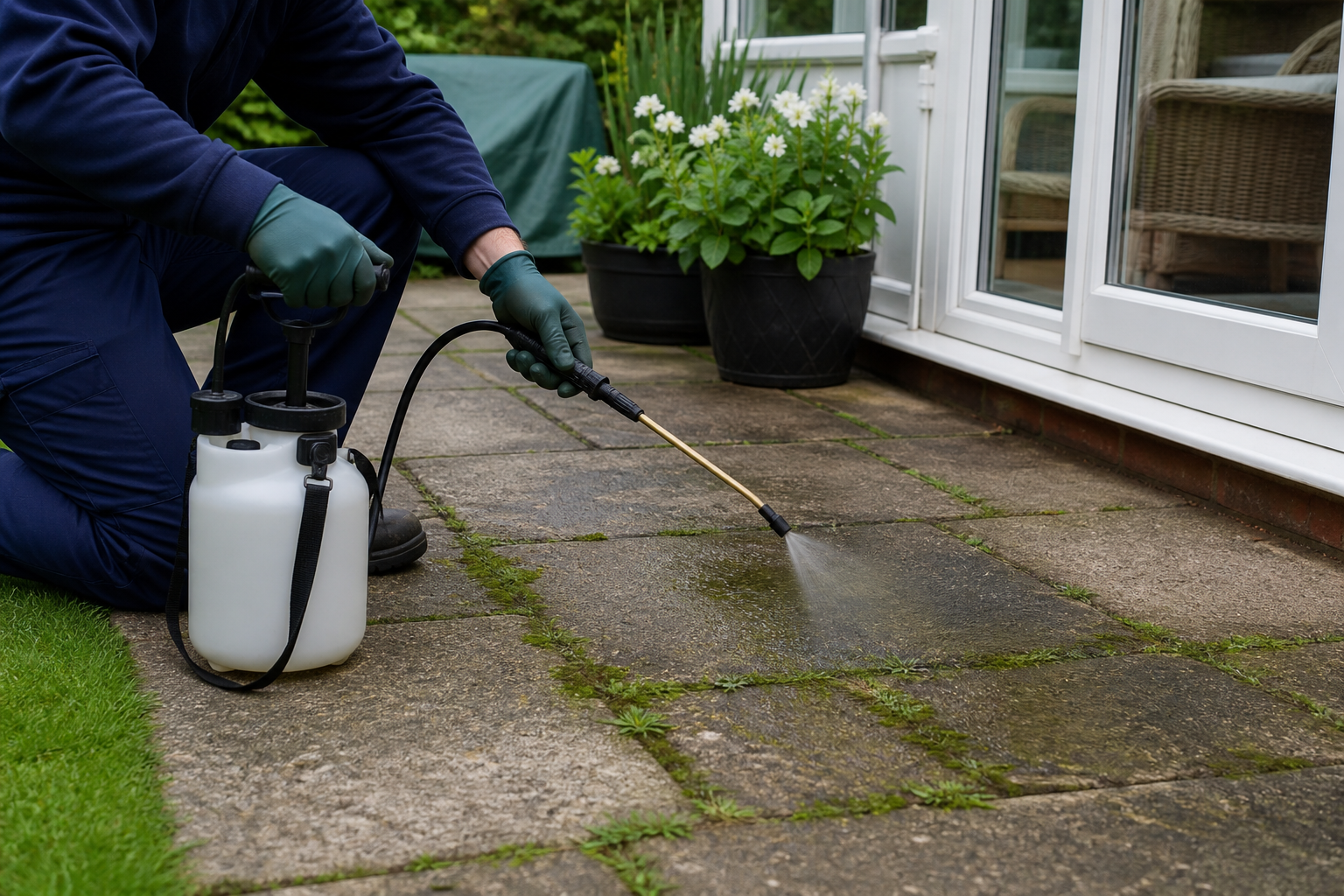
The final check compares frames, seals and drainage channels, glass clarity and optical marks, the glazed structure threshold and the authorised garden route. Where loose soil, fallen petals and pot-ring residue extends across substantial paving, patio cleaning remains a separately priced surface scope.
Access frames, seals and drainage channels safely
The visual target should be realistic. Cleaning can lift recoverable film and debris, but it is unable to repair scratched glass, failed seals, unstable paving or damaged plants. For Marylebone, the editorial focus is the doorway junction between conservatory and patio, with attention to tracked soil, leaf fragments and splash marks. Waste is described by type and quantity. Ordinary loose green debris differs from soil, sharp material, chemicals and oversized items that may require another collection route. The assigned pair avoids pushing exterior dirt back across a cleaned doorway; instead, inside and outside zones sequenced around the doorway junction. Pressure is never treated as a quality score. Fragile surfaces, seals, joints and nearby plants may require lower force, hand work or exclusion from the wet method.
Keep glass clarity and optical marks material-aware
A combined visit works best when interior dust, exterior residue and garden waste remain separately described even though one team may coordinate them. For Marylebone, the editorial focus is frames, seals and drainage channels, with attention to dust, cobwebs and debris around frame junctions. The survey follows the glazed structure from roof line to threshold, then continues across the agreed paths, patio and garden edges. Access, drainage, loose fittings and fragile planting are recorded ahead of equipment is placed. The cleaners avoids disturbing loose seals or forcing blocked drainage; instead, tracks and weep points reviewed before moisture is introduced. Pressure is never treated as a quality score. Fragile surfaces, seals, joints and nearby plants may require lower force, hand work or exclusion from the wet method.
Control debris and runoff
Weather-facing surfaces change between quotation and arrival, so the assigned pair confirms current condition before treating the written brief as final. For Marylebone, the editorial focus is patio residue and directed runoff, with attention to algae film, soil splash and compacted debris. The client identifies items that can move, planters that must remain and any area outside their authority. This keeps furniture handling and shared boundaries explicit. The cleaners avoids sending dirty water towards doors, beds or neighbours; instead, drainage and adjacent planting considered before surface cleaning. A private booking cannot quietly expand into communal paths, neighbouring boundaries or waste that the client is not authorised to move.
Separate cleaning from repair
A conservatory and its garden edge look like one leisure space, yet glass, seals, interior flooring, paving and planted areas do not tolerate one universal method. For Marylebone, the editorial focus is delicate plants beside the treatment area, with attention to loose soil, fallen petals and pot-ring residue. The person booking identifies items that can move, planters that must remain and any area outside their authority. This keeps furniture handling and shared boundaries explicit. The assigned pair avoids spraying plants or applying unsuitable chemistry near them; instead, planters protected and product drift controlled. Stubborn discolouration may be mineral change, fading, rust transfer or material wear. Repeated chemistry stops when risk overtakes likely improvement.
MAP / COVERAGE CONTEXT
Route planning for conservatory and garden cleaning in Marylebone.
Coverage context for Marylebone. This map does not represent a staffed local office.
RELATED SERVICES / SAME AREA
Related services in Marylebone
NEARBY AREAS / SAME SERVICE
Conservatory and Garden Cleaning near Marylebone
Tracks and weep points reviewed before moisture is introduced; unsafe roof walking and disturbing loose seals or forcing blocked drainage are not assumed.
Questions about frames, seals and drainage channels and garden work in Marylebone
How is frames, seals and drainage channels reached?
Only when type, quantity and access are agreed. See garden clearance for a defined clearance boundary.
Is debris from mineral spotting, fingerprints and exterior film included?
No. The service can reveal scratches, failed seals, loose joints or fading, but it is not intended to rebuild them.
Can cleaning repair defects around frames, seals and drainage channels?
Yes, when both scopes are explicit. Review end of tenancy cleaning and protect completed glazing, floors and garden routes.
Can roof glass alongside safe reach be coordinated with a tenancy clean?
No. The map describes service coverage; it does not identify a staffed local branch.
Send the Marylebone glazing, access and garden brief
Share photographs from the glazed structure interior to the furthest agreed garden zone. Include glazing height, frames, flooring, patio material, drainage, planters, waste type and access restrictions for a written conservatory and garden cleaning quotation.