
Mile End / E1, E3, E14
Conservatory and Garden Cleaning Mile End
Glass extension glasswork and garden surfaces planned as distinct Mile End work zones


A practical sunroom and garden clean for Mile End
A properly scoped estimate for sunroom and garden cleaning in Mile End reflects the real pane work and garden zones. Practical inputs account for sunroom size and height, pane work finish, internal and external access, frame condition, paved seating area or path space, steps, water access, furniture constraints and any priority deposits. Residents can walk-through the cleaning prices guide before requesting an address-specific estimate.
Price comparisons are more informative when each provider is pricing the same work. For Mile End, confirm whether roof panels, interior panes, exterior pane work, surrounds, tracks, outdoor seating zone spaces, loose-debris collection and equipment access are included. Contrasting estimates can represent a different surface count or reach requirement. Accurate photographs can help initial planning, although uncertain finishes or unsafe access may still require direct assessment.
Garden room and garden cleaning in Mile End becomes worthwhile when the enquiry separates the enclosed structure from the outdoor section. A single booking may cover roof glazed sections, side panels, opening sections and the floor edge together with outdoor seating zone joints, thresholds, hard paths and the immediate outdoor living section, but the materials, access and drainage needs are not identical. For a helpful comparison, the room list and exterior route is best settled ahead of the team’s arrival, with fragile objects, locked gates and any surfaces outside the occupier’s authority clearly identified.
A space can look generally tired even when the causes differ from one surface to the next. In Mile End, the agreed remit may involve weather film, cobwebs, organic debris and deposits around drainage routes. Glass film, organic deposits and physical weathering should be assessed independently. The practical goal is to remove recoverable grime, improve usable spaces and outline limitations honestly; scratched panes, failed seals, loose paving or damaged coatings sit outside a responsible cleaning guarantee.
A considered Mile End conservatory clean may cover an opening survey, dry debris collection, appropriate solution tests, controlled washing and a final rinse check. Roof panels and high sections are assessed for safe reach before work starts, while structural edges, tracks and sills deserve individual setup. Cleaning can follow a controlled sequence so loosened deposits are not carried back across completed panes. Internal flooring, nearby furniture and electrical items must be protected from drips, and inaccessible window panels should be recorded rather than reached through unsafe improvisation.
SCOPE / CONFIRM BEFORE BOOKING
Glass, glazing frames and interior edges need separate decisions
Included in this brief
- Reachable sunroom pane work and frames listed for Mile End
- Accessible sills, tracks, thresholds and interior floor edges
- Agreed hardstanding, paved path, steps and hard-surface garden zones
- Loose-debris advance work and finish checks within the signed agreed coverage
Outside this cleaning brief
- Unsafe high sections or glazed sections without a well-matched access process
- Landscaping, pruning, repairs and removal of unlisted waste
- Neighbouring or communal parts without clear authority

PRICING / CLEAR STARTING POINTS
Tidy the outdoor route without promising landscaping
The Mile End costing follows pane work part, height, surface type, garden surface, access and pre-clean setup. Use the cleaning prices guide for context, then request a cost outline based on the actual home service outline.
01
Small conservatory
Quotation
Reachable internal glazing and frames
02
Medium conservatory
Quotation
Additional panels and agreed garden features
03
Conservatory and patio
Quotation
Combined scope with drainage planning
04
High or complex glazing
Quotation
Safe reach and equipment assessed first
Prices are guide prices.
Final quotation depends on the property, condition and requirements.
SERVICE TEAMS / THE AGREED WORK
From hardstanding edges to accessible garden features

Glazing-focused team
The sunroom structure informs the treatment decision. Polycarbonate, coated glass, painted surrounds, uPVC, timber details and older seals cannot all accept the same strong product.

Outdoor-surface crew
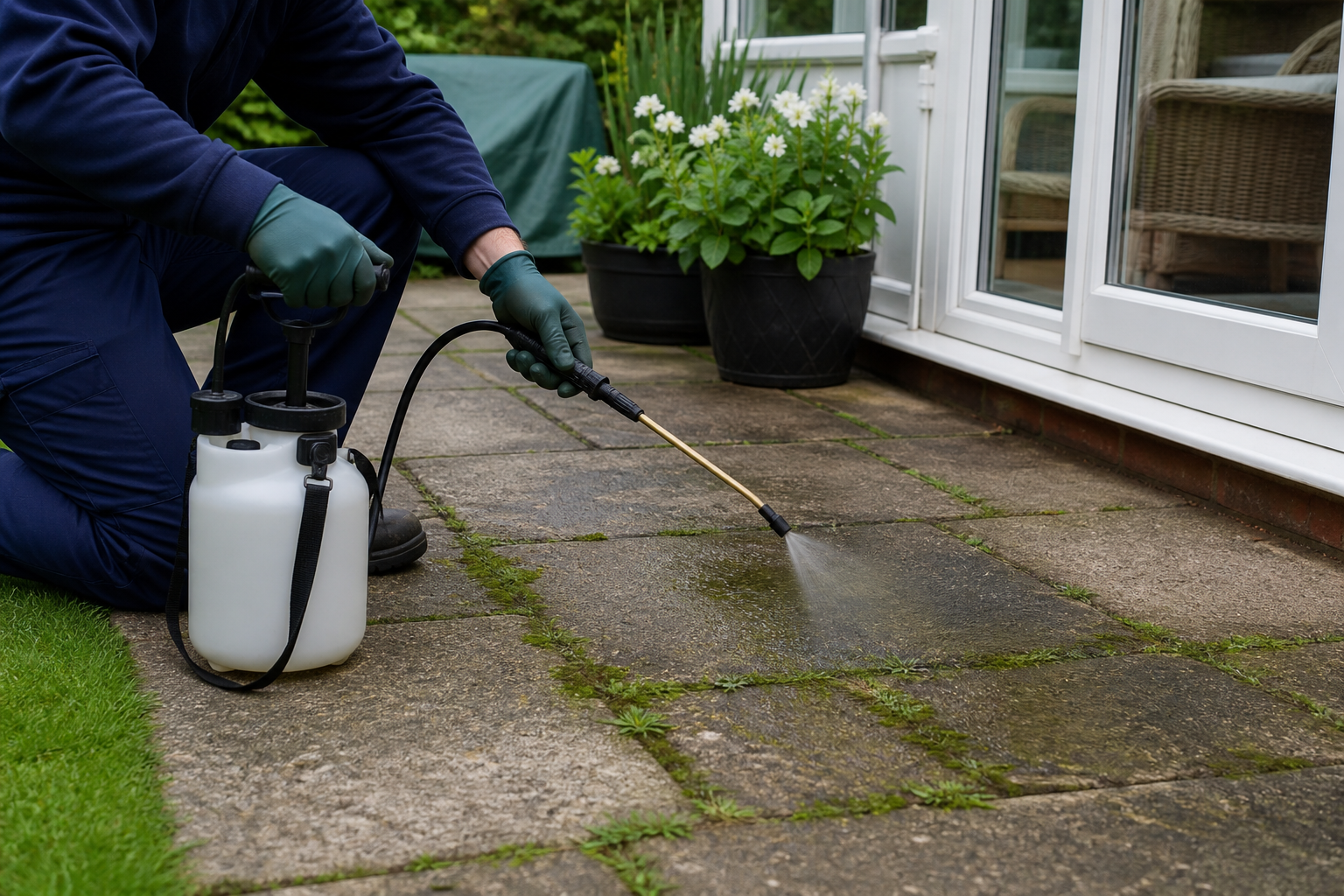
The garden part of a Mile End service call covers cleaning without becoming a landscaping visit. Work can focus on hard-surface routes, outdoor seating zone edges, low walls and outdoor fixtures, collecting loose debris first and then using a surface-appropriate approach for recoverable grime.

Access-led pair
Outdoor results reflect the construction, drainage route and weather. Around Mile End, surface dust, algae-prone edges, loose debris and splash marks may sit beside permanent discolouration, worn sealant or biological growth within porous joints.

Combined-visit lead
A measured Mile End sequence runs from an opening survey to a closing inspection. Between those checks, the stages may cover access planning, loose-material removal, targeted treatment, even cleaning and practical aftercare.
Dry preparation supports every later wet stage. Loose leaves, grit and cobwebs are removed where accessible, glass and frame condition is noted, and products are matched to the surface type.
PROCESS / FOUR DECISIONS
A considered route protects completed parts
01
Inspect construction materials and access
Access may determine the route and duration of a Mile End booking. The enquiry needs to identify side gates, shared passages, parking limits, water availability, external sockets, steps, narrow garden room doors and any room that must stay usable.
02
Prepare glass and hard surfaces
Good advance work involves both client and technician. Small belongings, plant pots that can be moved safely, cables and fragile decorations should be cleared in advance.
03
Clean in controlled sections
When treatment has finished in Mile End, ventilation and sensible use help the glass extension dry evenly. Doors can support airflow where appropriate, but recently cleaned floors and thresholds should be protected from outdoor shoes until ready.
04
Inspection drainage and aftercare
Normal maintenance follows with loose-debris control. Clear fallen leaves before they compact in corners, wipe fresh spots without abrasive household mixtures and keep drainage channels visibly free where safe.
PREPARATION / BEFORE THE VISIT
Prepare the Mile End address without pre-cleaning it.
- Confirm the entrance and any requirement involving street-specific parking controls.
- List the rooms or items covered by conservatory and garden cleaning.
- Point out sensitive finishes, pets, alarms and anything that must not be moved.
- Agree the key return, completion contact and any building time restriction.
VISIT / HANDOVER
What to confirm before booking

A valuable Mile End booking conversation should settle the glass extension sections, garden surfaces, access route, movable-item expectations and timing constraints. It should also distinguish cleaning from repairs, pruning, waste removal or unlisted household work.
Choose the rooms and outdoor zones that matter
The most helpful next step is a precise enquiry. List the reachable glazed sections, frames, floor zone, hardstanding or paths, steps and priority deposits; then flag height, locked access, water restrictions or fragile features.
Glazed room priorities in Mile End
The glass extension structure guides the cleaning approach. Polycarbonate, coated glass, painted structural edges, uPVC, timber details and older seals cannot all accept the same strong product.
Garden-surface decisions in Mile End
Outdoor results vary with drainage, weather and surface condition. Around Mile End, surface dust, algae-prone edges, loose debris and splash marks may sit beside permanent discolouration, worn sealant or biological growth within porous joints.
Coordinating related cleaning
A useful Mile End booking conversation should settle the conservatory sections, garden surfaces, access route, movable-item expectations and timing constraints. It should also distinguish cleaning from repairs, pruning, waste removal or unlisted household work.
MAP / COVERAGE CONTEXT
Route planning for conservatory and garden cleaning in Mile End.
Coverage context for Mile End. This map does not represent a staffed local office.
RELATED SERVICES / SAME AREA
Related services in Mile End
NEARBY AREAS / SAME SERVICE
Conservatory and Garden Cleaning near Mile End
Move small belongings, cables, light furniture and fragile decorations from the agreed route. Discuss large planters, heavy furniture, locked gates, water access and any vulnerable planting before the visit rather than assuming the team can move everything.
Sunroom and garden cleaning questions in Mile End
What should I clear before cleaning in Mile End?
No. Results depend on the substance, surface type, porosity, age and previous treatment. Cleaning may improve recoverable grime, algae film or organic deposits, but bleaching, weathering, failed coatings, damaged seals and worn paving are not removable grime.
Can every outdoor blemish be removed?
Not always, but only accessible surfaces can be treated consistently. Clear portable possessions and agree what furniture can remain. Internal flooring and electrical items need protection, while unsafe high pane work or blocked panels should be recorded outside the agreed coverage.
Does the glass extension need to be empty?
There is no fixed time for every address. Window panels dries differently from glazing frames, floors and porous paving, while ventilation, shade, temperature, humidity, weather and treatment level all matter. The operator can give practical guidance after completing the work.
How long will the spaces take to dry?
No. The map describes service coverage; it does not identify a staffed local branch.
Plan the Mile End glazed room and garden visit
Describe the reachable glasswork, surrounds, interior edges, paved seating area or paths, access constraints and priority deposits. Those details allow a realistic Mile End remit, material-safe method and home-specific estimate.