
Soho / W1F
Conservatory & Garden Cleaning in Soho
A visit shaped around converted period houses, the agreed task list and controlled parking.

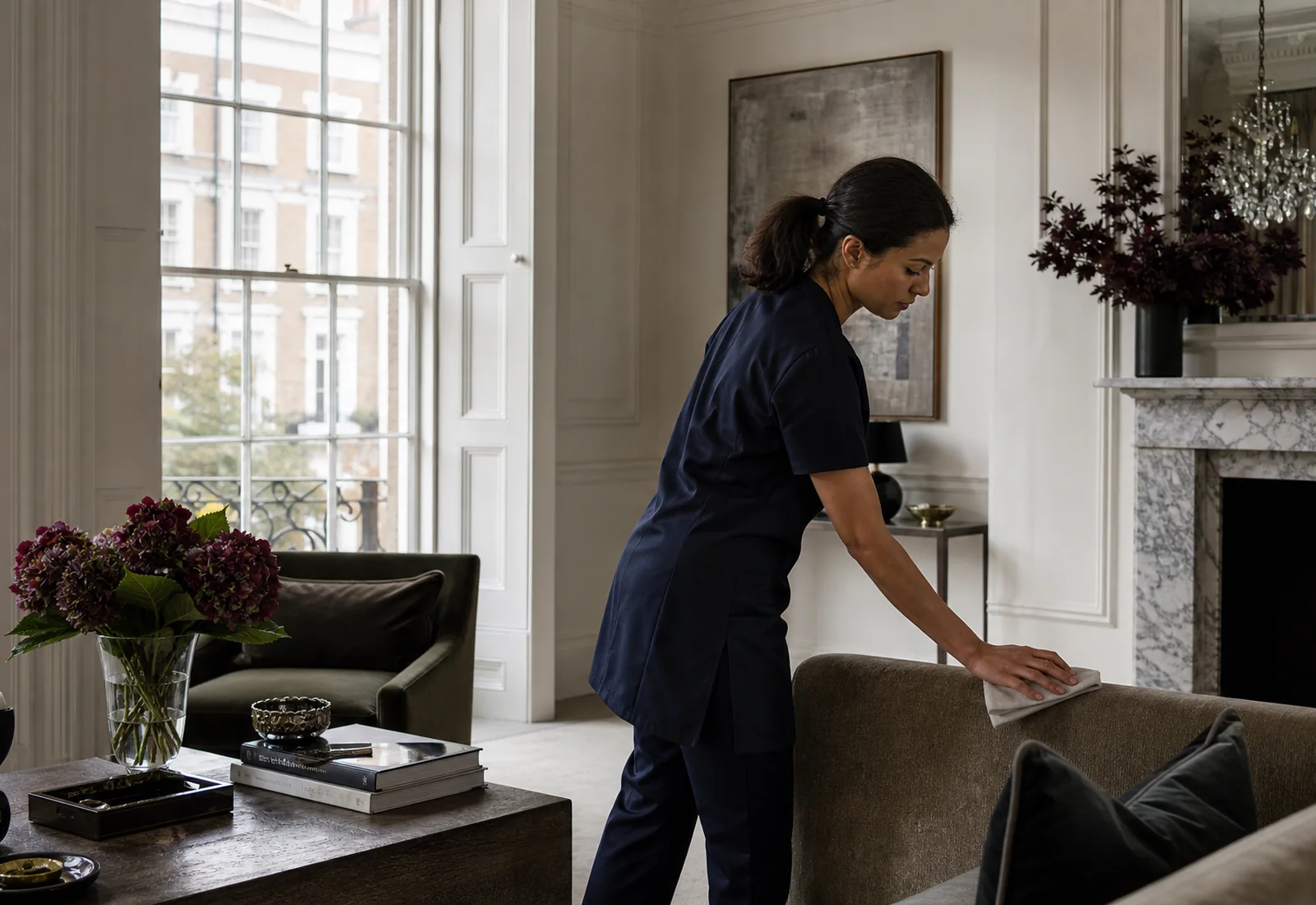
Conservatory and Garden Cleaning for Soho flats and houses
Across Soho, the neighbourhood includes converted period houses, modern apartments, mixed-use addresses. Customers may be booking for converted period houses, modern apartments, mixed-use addresses or mansion blocks. Two nearby addresses can need different equipment routes, working sequences and handover arrangements. A converted property can involve shared stairs and several floor finishes, while a managed apartment may add reception instructions, lift access and rules for moving equipment. Houses can require a side entrance, pet arrangements or a longer route between floors. These differences shape the practical plan for conservatory and garden cleaning at the actual address.
For conservatory and garden cleaning in Soho, the written scope should state which rooms or items are included and identify priorities before the visit. Work such as agreed accessible glazing and reachable frames and sills is only part of the booking when it is agreed and suitable for the property. Around central Soho and residential streets in Soho, homes can sit beside shops, offices, schools or transport routes, so occupancy and handover timing may matter as much as floor area. The service is adapted to the room list, condition and safe method rather than a standard neighbourhood checklist.
Access notes for conservatory and garden cleaning in Soho should cover controlled parking, loading restrictions, concierge or porter access and lifts and shared corridors. The useful information is the legal stopping or unloading point, exact entrance, floor, stairs or lift, entry system and person responsible for keys. Near the town centre, a short distance on a map can still involve parking restrictions, a busy road or a building with timed deliveries. For this service, the route must allow the team to reach the areas needed for agreed accessible glazing without treating an entrance delay or unsafe equipment movement as cleaning time.
Bookings across W1F in Soho can relate to tenancy changes, routine household upkeep, a one-off reset, completed building work or preparation for sale, letting or occupation. Rental properties need a clear key and handover plan; family homes may require priorities around occupied rooms, pets and school-day timing; offices or mixed-use buildings may require reception or security instructions. Whatever the reason, conservatory and garden cleaning should answer practical questions about what will be cleaned, what remains outside the visit and how completion will be checked.
Taken together, these details create a practical brief for conservatory and garden cleaning in Soho. The customer can identify whether the address is closer to converted period houses or modern apartments, explain how the working rooms are reached, and flag any restriction involving controlled parking. Local references such as central Soho and residential streets in Soho help describe the route and surrounding activity, while the actual room list, material condition and handover deadline define the work. That distinction keeps the introduction useful: it describes the neighbourhood without pretending that every property within it needs the same cleaning plan.
SCOPE / CONFIRM BEFORE BOOKING
What is agreed for conservatory & garden cleaning in Soho.
Included when agreed
- Agreed accessible glazing
- Reachable frames and sills
- Listed patio or garden features
- Safe runoff planning
Not automatically included
- Unsafe roof access
- Structural repairs
- Tree surgery or landscaping

PRICING / CLEAR STARTING POINTS
Conservatory and Garden Cleaning price guide for Soho.
The guide separates common conservatory and garden cleaning scopes so the starting figure is easier to compare. The final scope for the Soho address also records access, condition and agreed additions.
01
Small conservatory
Quotation
Reachable internal glazing and frames
02
Medium conservatory
Quotation
Additional panels and agreed garden features
03
Conservatory and patio
Quotation
Combined scope with drainage planning
04
High or complex glazing
Quotation
Safe reach and equipment assessed first
Prices are guide prices.
Final quotation depends on the property, condition and requirements.
SERVICE TEAMS / THE AGREED WORK
Cleaning support matched to the rooms, surfaces and handover.

End of tenancy cleaning team
Tenancy handovers organised around the inventory, landlord or letting-agent requirements, appliance additions and the key-return deadline.

Regular domestic cleaning team
Recurring support for kitchens, bathrooms and living spaces, with household priorities agreed for weekly or fortnightly visits.

Window and surface care team
Reachable glazing, frames and sills planned around height, apartment access, neighbouring surfaces and a safe working route.

One-off cleaning team
Single-visit cleaning for moving in, seasonal resets, special occasions or post-renovation tidying, prioritised from the condition on arrival.
The final team and task list are confirmed from the chosen service, property layout, safe access route and available visit time.
PROCESS / FOUR DECISIONS
A useful visit begins before the door opens.
01
Define the work
List the rooms, surfaces and boundaries for conservatory and garden cleaning.
02
Confirm the route
Record keys, parking, stairs, lifts and the route into the Soho property.
03
Protect the property
Identify delicate finishes, occupied rooms, pets and anything that must not be moved.
04
Check the handback
Review the agreed scope and report access or condition issues factually.
PREPARATION / BEFORE THE VISIT
Prepare the Soho address without pre-cleaning it.
- Confirm the entrance and any requirement involving controlled parking.
- List the rooms or items covered by conservatory and garden cleaning.
- Point out sensitive finishes, pets, alarms and anything that must not be moved.
- Agree the key return, completion contact and any building time restriction.
VISIT / HANDOVER
Review the conservatory & garden cleaning handover in Soho.
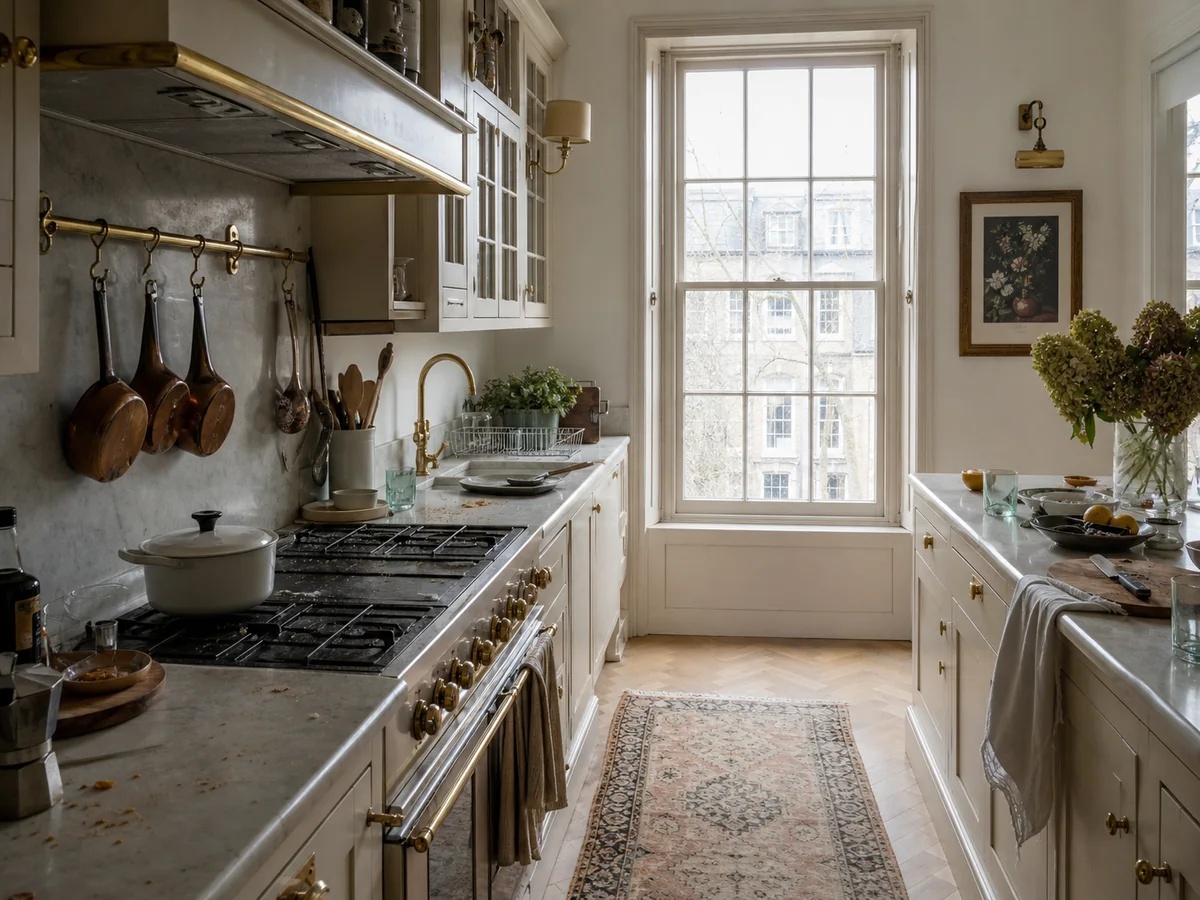
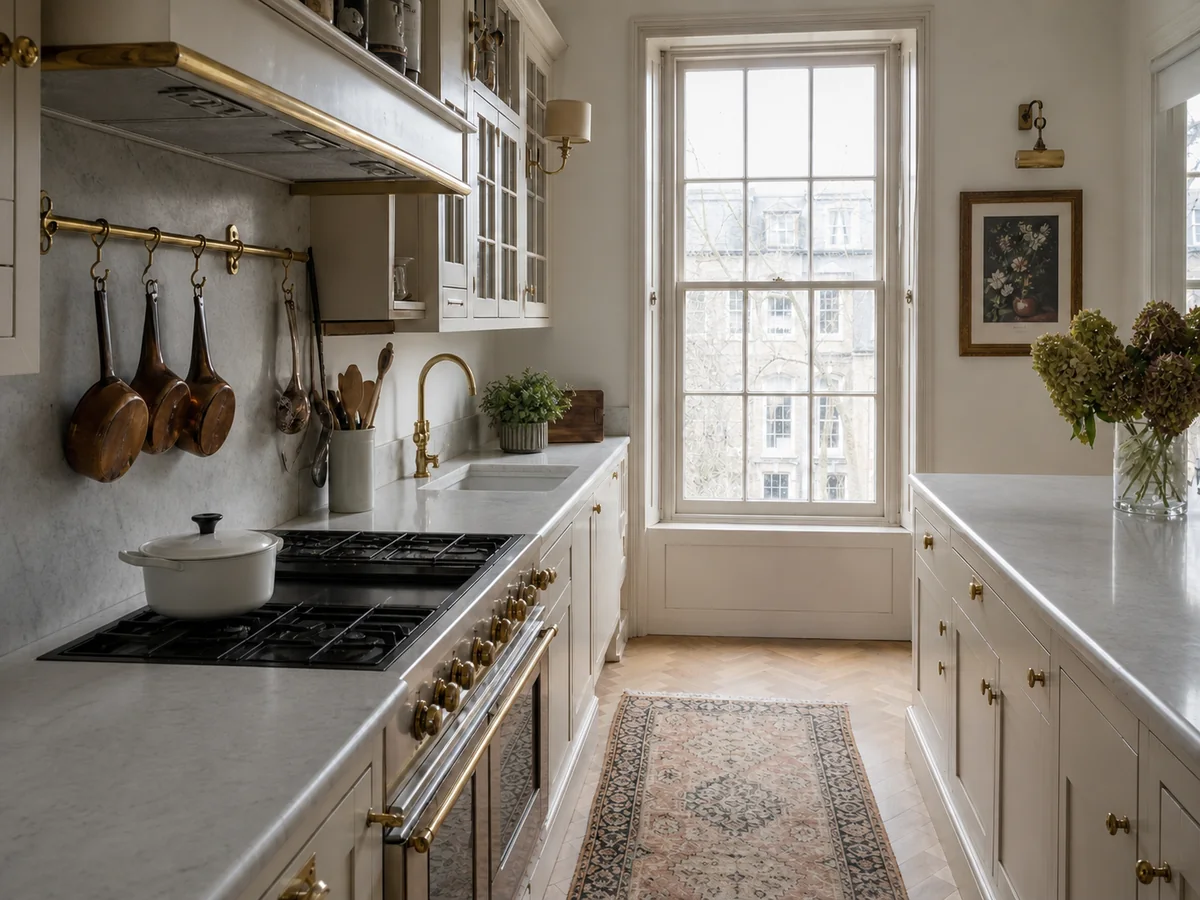
The handover follows the same room and task list agreed before work begins.
Period finishes, modern alterations and safe methods in Soho
A Soho property may combine older timber, stone, metal fittings or decorative joinery with later laminates, sealed floors, replacement glazing and modern appliances. Those materials do not automatically accept the same products, moisture or agitation. Before conservatory and garden cleaning, the relevant finish and visible condition should be identified, with a small test or limitation recorded where necessary. Agreed work can include listed patio or garden features and safe runoff planning, while unsafe roof access and structural repairs are not silently added to the booking.
Planning around local streets and busy destinations in Soho
Addresses near central Soho, residential streets in Soho, the town centre and main residential roads can be affected by commuter periods, retail activity, school traffic, events or building delivery windows. These local signals help plan arrival, but they do not replace a street-specific check. For conservatory and garden cleaning in Soho, the customer should confirm current parking restrictions, concierge or estate procedures and any time limit on lifts or shared entrances. The same information helps decide when equipment can be brought in without obstructing neighbours or common parts.
Preparing the property without pre-cleaning it in Soho
Customers do not need to pre-clean for conservatory and garden cleaning. Useful preparation means listing priority rooms or items, securing pets, making keys available, explaining alarms and identifying anything that must not be moved. Sensitive finishes, damaged areas and recent work should be pointed out before a method is chosen. The booking should distinguish agreed work such as reachable frames and sills from tree surgery or landscaping, which is not assumed. For a tenancy or deadline-led visit in Soho, the inventory, check-out time or next access appointment should also be available.
Price, exclusions and a checkable handover in Soho
A current price for conservatory and garden cleaning should be traceable to glazing and surface area, material and condition, height and reach and water, drainage and access. The Soho postcode confirms coverage context but does not price the work by itself. Optional work, minimum charges and access constraints should be visible before confirmation. At handover, the agreed room or item list is checked against what was accessible and completed. Any limitation, including tree surgery or landscaping, should remain separate from the completed cleaning record rather than being hidden inside a broad result claim.
MAP / COVERAGE CONTEXT
Route context for conservatory & garden cleaning in Soho.
Coverage context for Soho. This map does not represent a staffed local office.
RELATED SERVICES / SAME AREA
Related cleaning services in Soho
NEARBY AREAS / LOCAL ROUTES
Nearby cleaning coverage around Soho
FAQ / Conservatory and Garden Cleaning / Soho
Questions that change the plan.
Which property details matter for conservatory and garden cleaning in Soho?
The room or item list, material, condition and whether the address is mansion blocks.
How should access near the main residential streets of Soho be recorded?
Confirm the legal stopping point, exact entrance and any requirement involving loading restrictions.
What changes the price for this Soho service?
Glazing and surface area, material and condition, height and reach and water, drainage and access.
Does this page claim a Go Cleaners office in Soho?
No. The map describes service coverage; it does not identify a staffed local branch.
Discuss conservatory & garden cleaning for the Soho address.
Share the property layout, priorities and access notes for a clear booking conversation.