
Dagenham /
Carpet Cleaning Dagenham: Judge the Floor in More Than One Light
- Shading, pile direction and true staining considered separately
- Pale and patterned carpets assessed without dramatic promises
- Even preparation across the room before local decisions
- The finish reviewed from normal entrances and seating positions
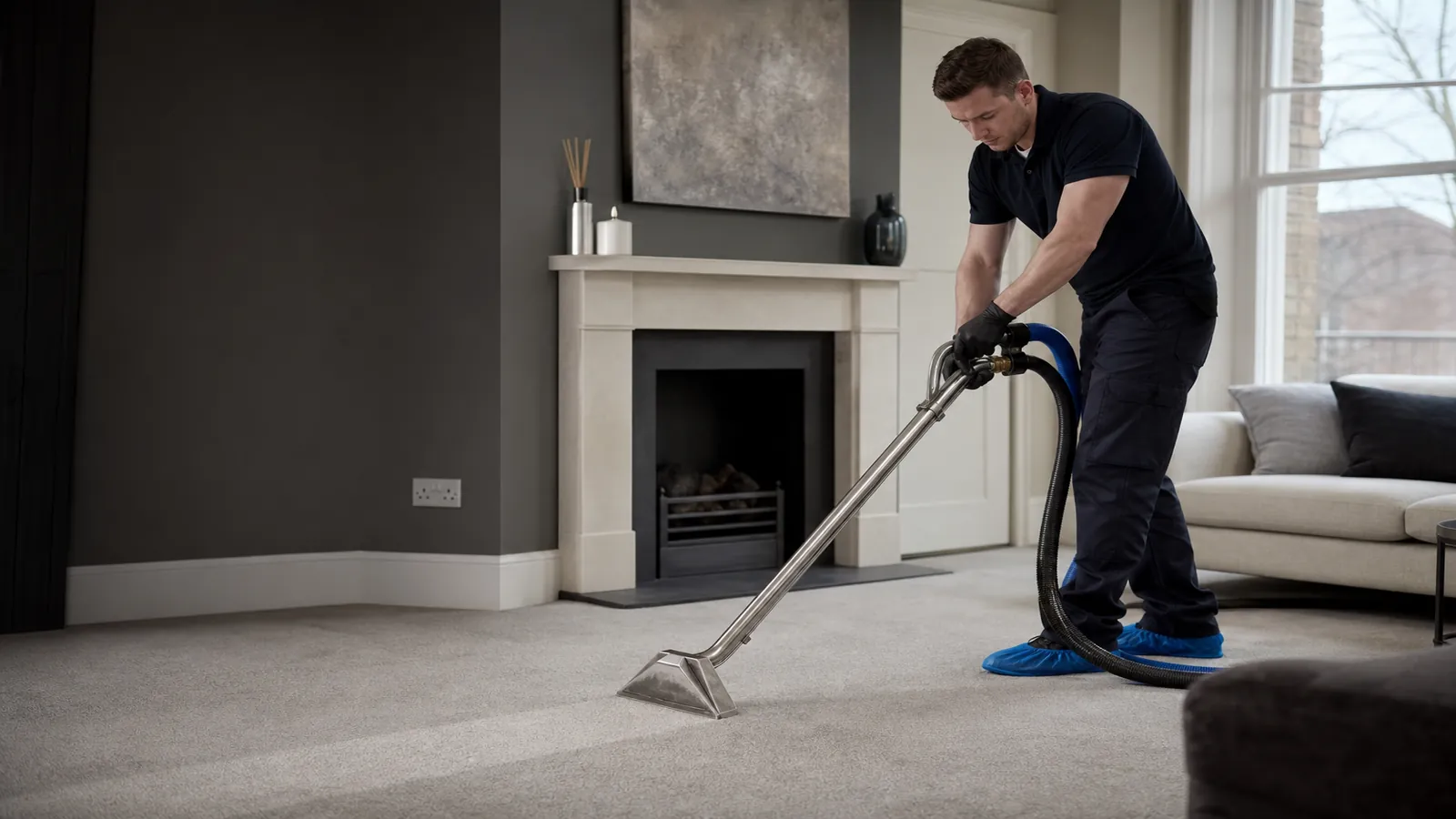
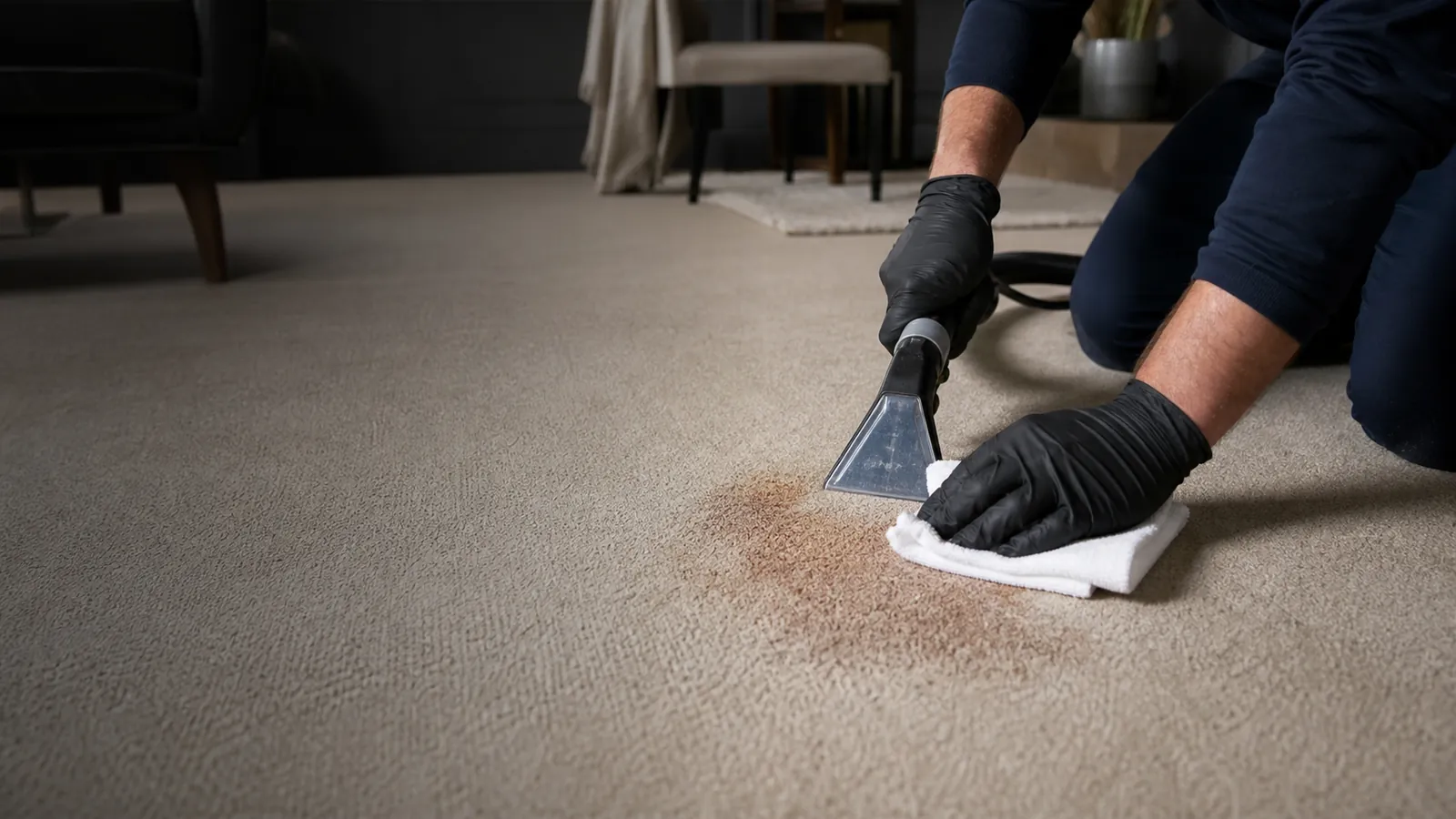
Appearance changes when light and pile direction change
A carpet can look patchy without containing a matching pattern of soil. Pile direction changes reflection, furniture compresses fibres, daylight moves through the room and artificial lighting emphasises different textures. Pale colours can show small residues clearly, while a pattern can conceal dry debris until it builds up. A Dagenham carpet-cleaning assessment therefore looks from several positions before deciding which darker or lighter areas represent removable matter.
The doorway view is useful because it resembles the customer’s everyday first impression. A low side angle can reveal flattened traffic lanes; looking with and against the pile may change an apparent shade; comparing a covered area with an exposed one can indicate fading. None of these observations replaces fibre checks, but they prevent a technician from attacking visual variation as though every patch were a stain.
Preparation is kept broad and consistent. Accessible carpet is vacuumed so that loose particles do not exaggerate dullness or become slurry during a wet stage. Edges and transitions receive attention within the scope, then individual marks are assessed. The room is not cleaned only around obvious contrast because that can leave halos or a centre that looks disconnected from its margins.
Where a complete presentation matters for moving, carpet work may accompany end of tenancy cleaning. The carpet should be scheduled with enough time to dry before photographs or an inventory review. Cleaning can improve surface condition; it cannot promise to remove sunlight fading, furniture impressions or wear that becomes more visible once dirt is gone.
At handover, the cleaner and customer view the floor from the principal approaches rather than examining only one treated spot from centimetres away. Remaining shade difference is explained in terms of likely wear, pile, colour or staining. This helps distinguish a genuine cleaning omission from a permanent or angle-dependent feature of the carpet.
SCOPE / CONFIRM BEFORE BOOKING
A carpet visit that audits previous treatment
Included in this brief
- Product record: discussion of sprays, detergents, machines, powders and professional work already used on priority areas.
- Comparative inspection: assessment of the patch beside untreated carpet, with fibre and colour checks where useful.
- Controlled response: suitable preparation, spot work or rinsing selected according to evidence rather than residue assumptions.
- Dry-result guidance: explanation of potential re-soiling, colour loss and signs worth monitoring after the visit.
Outside this cleaning brief
- The service cannot guarantee reversal of bleaching, dye migration, fibre distortion or damage caused by earlier products.
- Unknown product combinations are not pursued through unlimited chemical experimentation.
- A temporary fragrance change is not evidence that sticky residue or an odour source has been removed.

PREPARATION / BEFORE THE VISIT
Prepare the Dagenham address without pre-cleaning it.
- Confirm the entrance and any requirement involving street-specific parking controls.
- List the rooms or items covered by carpet cleaning.
- Point out sensitive finishes, pets, alarms and anything that must not be moved.
- Agree the key return, completion contact and any building time restriction.
PRICING / CLEAR STARTING POINTS
Treatment history can change the real scope
Provide room sizes, stairs, furniture and marks, then list anything used on the carpet. A small patch with several previous products may require more caution than a recent untreated spill, though it does not automatically justify an expensive add-on. General cleaning prices offer context; the confirmed quotation should describe routine spot assessment and any uncertainty requiring inspection. Photographs show position but rarely reveal residue or dye stability. A low price tied to a guaranteed instant removal should be treated carefully, as should an open-ended charge for repeated attempts. Transparent value comes from testing, preparation, proportionate action and the judgement to stop before further damage.
01
Single room
From £15 / room
Compact bedroom or study
02
Double room
From £15 / room
Standard double bedroom
03
Lounge
From £15 / room
Living room with clear equipment access
04
Stairs
Quotation
Standard flight, subject to construction
05
Hallway
Quotation
Reachable hall or landing
06
Whole property
Quotation
Measured rooms and fibre types
Prices are guide prices.
Final quotation depends on the property, condition and requirements.
SERVICE TEAMS / THE AGREED WORK
Four ways earlier products alter the decision

Detergent attracts fresh debris
A patch can look clean when wet and darken after ordinary use because sticky material remains. Suitable rinsing and recovery may help, but the cleaner first checks fibre and what else was applied.

Bleaching changes the target
When dye is lost, the pale area is no longer removable soil. Adding chemistry can enlarge it. The technician records the colour change and avoids promising that cleaning will recreate pigment.

Scrubbing alters texture
Aggressive rubbing can fuzz, untwist or flatten pile. Different reflection may then resemble a stain. Viewing from several directions helps distinguish texture from remaining residue.

Multiple unknowns increase caution
Products can interact or leave misleading signs. If the history is incomplete, an unobtrusive test and restrained plan are safer than assuming the last bottle named by the customer is the only one present.
Where a product was also used on seating, upholstery cleaning needs a separate fabric history. The same spray can behave differently on another textile and filling.
PROCESS / FOUR DECISIONS
Inventory twice, sequence once
01
List the separate items
The booking records carpeted areas and upholstered pieces independently. Customer priorities and product history are assigned to the correct surface.
02
Survey the shared workspace
The cleaner checks material suitability and room layout, then agrees a furniture and equipment route that protects both scopes.
03
Complete methods in the supported order
Dry preparation and treatment follow each textile’s requirements. A finished surface is protected while the next part proceeds.
04
Hand over one room with two care plans
The customer reviews carpet and upholstery separately and receives coordinated drying, access and furniture advice.
VISIT / HANDOVER
Create clear floor space without dismantling the room


Remove ornaments, throws, loose belongings and items stored beneath furniture. Identify valuables and secure cables. Do not move a heavy sofa alone merely to expose carpet. List cushions and chairs in the quotation request and provide any care labels. Arrange pets and children away from both work areas, and allow a period when the room can remain lightly used.
A shared spill can produce two outcomes
Liquid may penetrate sofa fabric and carpet at different rates and encounter different dyes or previous products. The cleaner treats each material on its evidence and explains why the visual result may not match.
Furniture feet need a dry boundary
Metal can rust and some finishes transfer colour. Cleaned furniture should not be returned to damp carpet without agreed protection and sufficient drying. Weight can also compress wet pile.
Loose cushions need accountable counting
Cushions can have two fabric faces, piping and filling considerations. Listing them prevents an upholstery scope from expanding unexpectedly and leaves enough drying position for every piece.
A moving deadline changes room order
Where textiles support end of tenancy cleaning, complete dusty tasks first and allow both carpet and seating to dry before inventory review or transport.
MAP / COVERAGE CONTEXT
Route planning for carpet cleaning in Dagenham.
Coverage context for Dagenham. This map does not represent a staffed local office.
RELATED SERVICES / SAME AREA
Related services in Dagenham
NEARBY AREAS / SAME SERVICE
Carpet Cleaning near Dagenham
No. Upholstery is a separate itemised service with its own material assessment and quote.
Combined-textile questions for Dagenham
Does a sofa count as part of the carpet room?
Only where weight, stability, space and the agreed scope allow. The room plan must also provide a safe drying position.
Will the sofa be moved to clean underneath?
That cannot be assumed. Fibre, dye, backing, filling and manufacturer guidance differ. Each textile needs a supported method.
Can one product be used on both?
Expect temporary restrictions while carpet and upholstery dry. Follow the specific handover before replacing cushions, furniture or normal traffic.
Can the room be used immediately?
No. The map describes service coverage; it does not identify a staffed local branch.
Send two lists for one well-planned room
For carpet cleaning in Dagenham with soft furniture, list floor areas and upholstered pieces separately, including cushions, marks and furniture limits. A coordinated plan can reduce disruption while protecting the independent inspection, technique and drying needs of every textile.