
Abbey Wood / SE2
Carpet Cleaning Abbey Wood: A Condition-Led Plan for Every Room
- Traffic lanes assessed separately from isolated spills
- Fibre and colour response checked before wet treatment
- Measured extraction followed by practical drying guidance
- Permanent wear explained rather than disguised as a cleaning issue
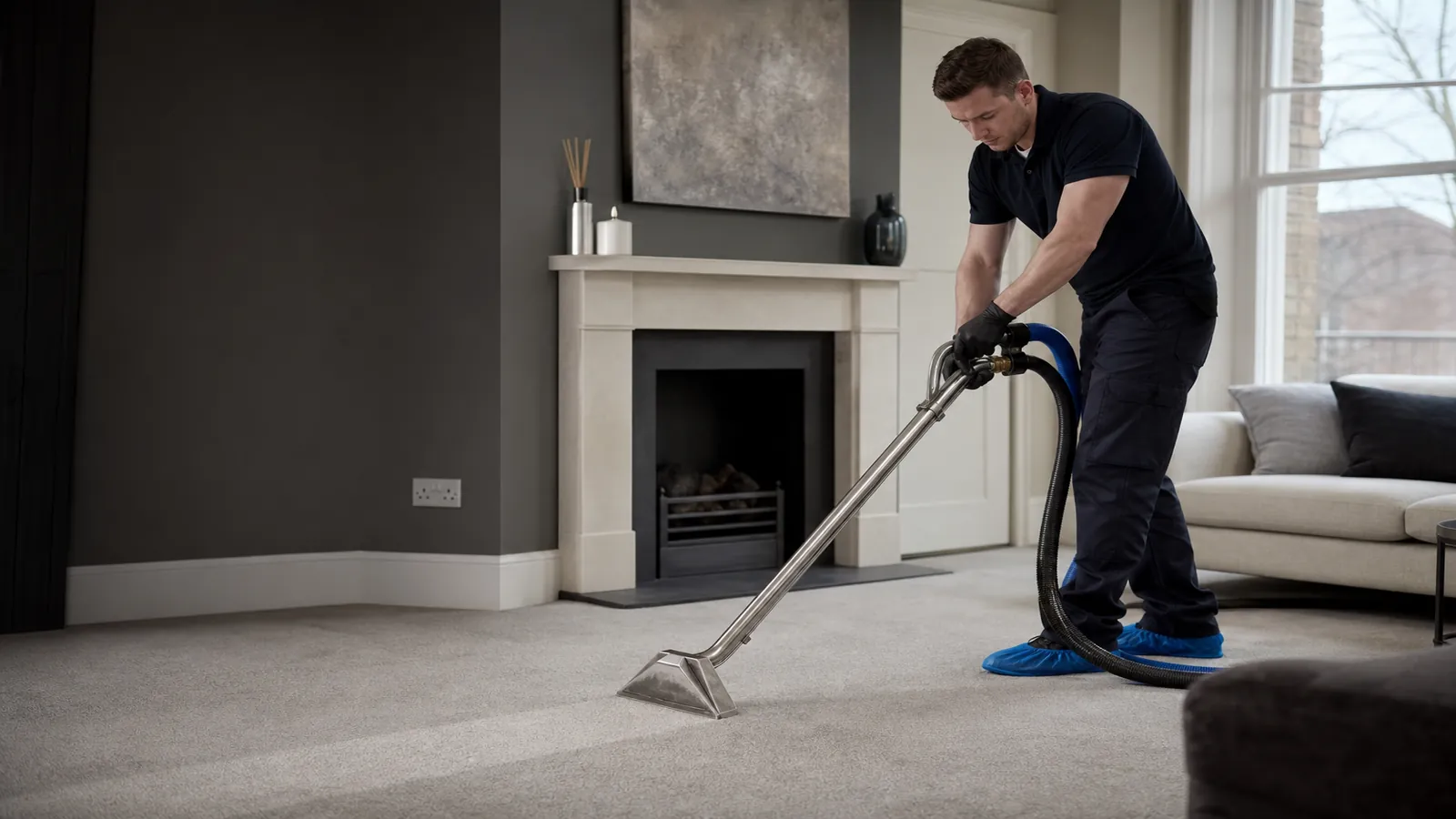
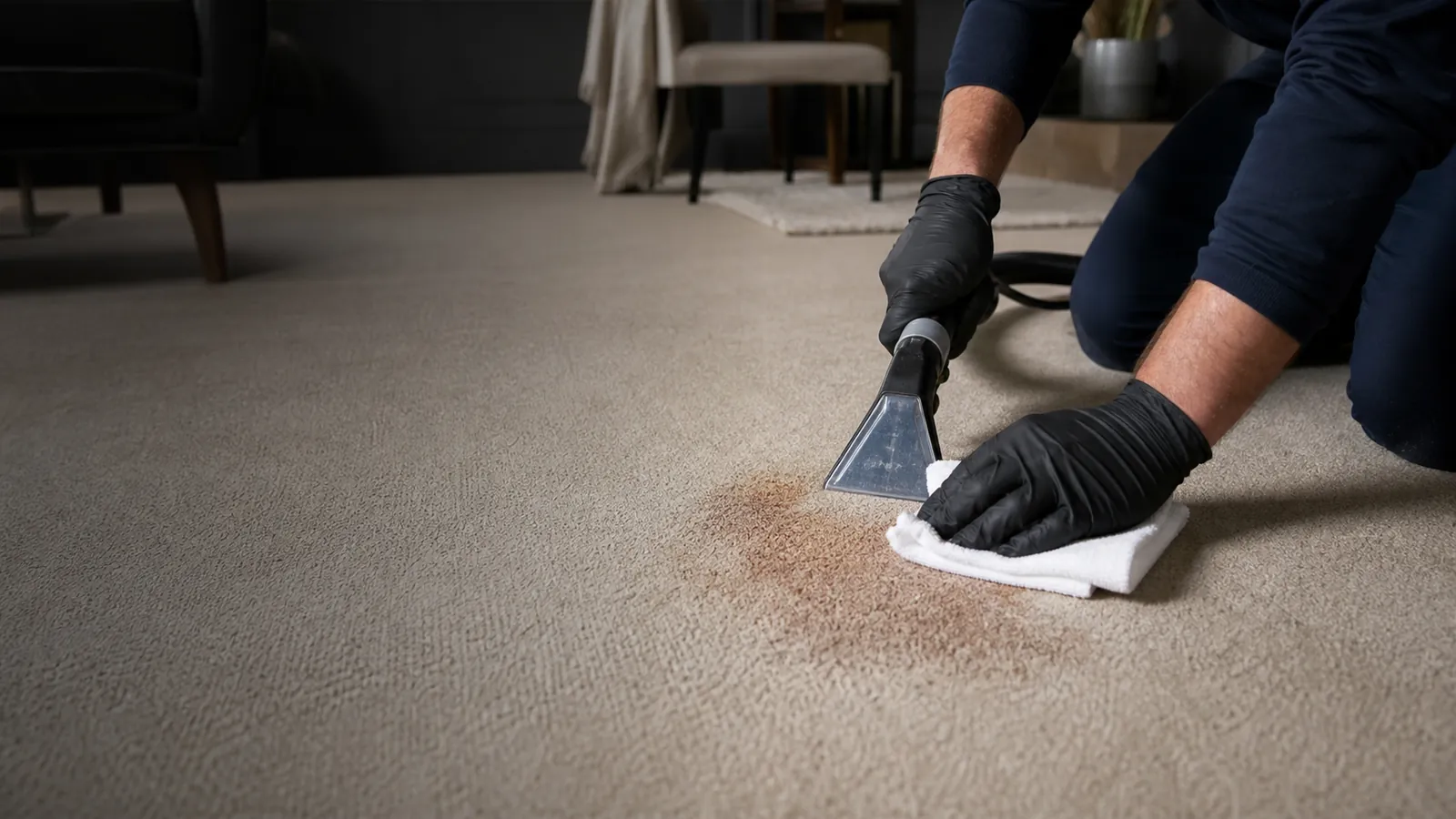
Carpet cleaning in Abbey Wood with fibre and access details checked
Carpet cleaning in Abbey Wood needs to account for family houses, purpose-built flats and newer schemes. Fibre type, pile construction, previous treatments and the backing beneath the carpet determine which method is appropriate; visible colour alone is not enough to choose chemistry or moisture levels.
A useful inspection separates general soil from individual stains, flattened traffic lanes and permanent fibre damage. Entrance routes, family rooms, pets and rented bedrooms often need different pre-treatment. Professional carpet cleaning should therefore begin with testing, careful vacuuming and realistic expectations for older marks.
Locally, visitor parking, shared halls and longer drying routes can affect how extraction equipment reaches the property. Confirm parking, floor level, water access and furniture movement before arrival. Ventilation and pile depth also influence drying, so rooms should not be put back into heavy use immediately after treatment.
Where sofas or dining chairs show related wear, coordinated upholstery care may be practical, but only after the fabric has been assessed separately. Tenants should allow enough drying time before checkout photographs or an inventory inspection.
Identify pile, backing and previous treatments.
Separate removable soil from permanent damage.
Confirm parking, stairs, lifts and water supply.
Allow airflow before furniture and heavy use.
Start by working out what the carpet is telling you
A carpet rarely becomes dull for one reason alone. Fine grit settles close to the backing, sticky residue catches fresh soil, and regular footfall changes the way the pile reflects light. In an Abbey Wood booking, we begin by separating those effects instead of treating every dark patch as a stain. That distinction matters because loose particles, bonded soil and physical wear each need a different response.
The first walk-through is deliberately unhurried. We compare open areas with pile that has been protected by furniture, inspect edges and thresholds, and ask about any substance already used on a mark. A pale patch may be colour loss; a dark band may be compacted soil; a patch that changes when brushed may simply be pile direction. Establishing which is which prevents needless chemical escalation.
Once the condition is understood, the service can be planned room by room. A hallway may need especially thorough dry extraction, while a sitting-room spill receives a small compatibility test before wider pre-treatment begins. Stairs are counted and reviewed as their own working area. This approach avoids flooding the whole floor merely because one section needs extra attention.
If carpet work is being arranged alongside end of tenancy cleaning, the order should protect the newly treated pile and allow enough time for moisture to leave the textile. The two services have different boundaries: carpet extraction addresses the floor covering, whereas a tenancy clean concerns the wider property specification.
The intended result is a carpet with recoverable soil removed as evenly as its condition allows. Cleaning cannot replace abraded fibres, reverse sunlight fading or mend weakened backing. We identify those limitations plainly, then concentrate on the improvement that can be achieved without asking the material to tolerate excessive agitation or water.
SERVICE SCOPE / READ BEFORE BOOKING
What the Abbey Wood carpet brief covers
Included in this brief
- Condition survey, fibre considerations and a discussion of known marks
- Detailed vacuuming to remove dry particulate matter before solutions are applied
- Targeted pre-treatment, suitable agitation and controlled extraction
- Finishing checks, pile grooming where appropriate and drying advice
Outside this cleaning brief
- Guaranteed removal of bleaching, dye transfer, wear or other permanent changes
- Repairs to seams, underlay, backing, burns or missing pile
- Furniture, mattresses and general room cleaning unless quoted separately

PRICING / CLEAR STARTING POINTS
A quotation built from the actual floor, not the postcode
The room count, dimensions, stairs, carpet construction, soil level, individual marks and access information all help define the work. Current published guidance is available on the cleaning prices page; no figure is invented simply because the enquiry carries an Abbey Wood address.
01
Single room
From £15 / room
Compact bedroom or study
02
Double room
From £15 / room
Standard double bedroom
03
Lounge
From £15 / room
Living room with clear equipment access
04
Stairs
Quotation
Standard flight, subject to construction
05
Hallway
Quotation
Reachable hall or landing
06
Whole property
Quotation
Measured rooms and fibre types
Prices are guide prices.
Final quotation depends on the property, condition and requirements.
SERVICE TEAMS / THE AGREED WORK
Four conditions that change the cleaning plan

Grit through a busy route
Dry particles migrate down the pile and act abrasively when walked on. Repeated, methodical vacuum passes come before pre-spray so the later moisture is not used to turn loose debris into slurry.

A spill with an uncertain history
Colour alone does not reveal what caused a mark. We ask when it appeared, what was applied and whether it changed afterwards, then test a restrained treatment before considering another attempt.

Shading that follows the pile
Carpet can look light from one direction and dark from another. Viewing it across the room and gently altering pile direction helps distinguish optical shading from contamination that can be rinsed away.

Worn edges and thresholds
Doorways may combine soil with abrasion or loose finishing details. The area is cleaned within safe limits, but structural deterioration is recorded so that a cosmetic improvement is not presented as a repair.
These profiles are diagnostic examples. The treatment used in an Abbey Wood property follows the textile found on site, not a preset method attached to a room name.
PROCESS / FOUR DECISIONS
From inspection to a usable handover
01
Read and record the condition
The operative confirms the agreed rooms, checks pile, seams and backing where visible, and notes pre-existing damage. Colour response is tested discreetly whenever the construction or stain history makes that sensible.
02
Remove what is still dry
Edges, open floor and traffic lanes are vacuumed with attention to direction and overlap. This stage is not ceremonial preparation; it removes material that a wet system should never have to carry.
03
Loosen, rinse and recover
Pre-treatment is selected for the observed soil and given time to work. Agitation is proportionate to the fibre, after which extraction balances adequate rinsing with repeated recovery strokes and avoids unnecessary saturation.
04
Review the finish honestly
The pile is checked from several viewpoints, remaining spots are reconsidered only if another safe attempt is justified, and the customer is shown any wear or colour change that cleaning could not alter.
VISIT / HANDOVER
Make the room easier to assess

Remove small valuables and fragile objects, but discuss heavy or connected furniture rather than moving it unsafely. Tell us about previous spot products and access constraints. Routine housekeeping is a separate service described under domestic cleaning.
Furniture and reachable floor area
A useful brief identifies what will remain in place. Light items may be moved by agreement when there is a safe destination; wardrobes, loaded cabinets, pianos and wired equipment are not shifted casually. The quotation can then reflect the carpet that is genuinely accessible.
Why extra water is not extra care
Cleaning action comes from preparation, agitation, dwell time and recovery working together. Increasing solution flow without a reason can lengthen drying and place avoidable stress on backing or seams. Controlled passes are more defensible than chasing a permanent mark until the area is soaked.
What to do after the appointment
Follow the on-site ventilation advice and keep outdoor footwear away while the carpet finishes drying. Dense furniture should not be replaced prematurely. Once the pile is fully dry, vacuuming at a frequency suited to use helps prevent another layer of grit settling at its base.
Fabric items need their own assessment
A sofa and a fitted carpet may sit in the same room, but they are not automatically made from comparable materials. Seating is tested and scoped separately through upholstery cleaning; this preserves a clear method for each textile.
MAP / COVERAGE CONTEXT
Plan the route into the Abbey Wood property.
Coverage context for Abbey Wood. This map does not represent a staffed local office.
EXPLORE / NEXT
Related services in Abbey Wood
EXPLORE / NEXT
Nearby areas for carpet cleaning
No. We can make an informed treatment attempt after inspection, but an old mark may involve dye loss, oxidation, previous chemicals or fibre damage. A guarantee would ignore the condition of the textile.
Abbey Wood carpet-cleaning questions
Can you promise that an old stain will disappear?
That depends on pile density, backing, the amount of solution needed, recovery, air movement and room conditions. The operative gives guidance after seeing how the carpet responds rather than quoting one universal drying time.
How soon can the room be used again?
It is usually better not to add another product immediately before the visit. Blot fresh liquid without scrubbing, keep any product label, and tell the technician exactly what has already been tried.
Should I apply a shop-bought spot remover first?
It can be requested as a distinct item, with its own material check and scope. The relevant service information is on the mattress cleaning page rather than being hidden inside a carpet quotation.
Can mattress cleaning be included?
No. It describes service coverage and practical local context, not a staffed branch.
Describe the carpet, not just the Abbey Wood address
Send the number of rooms, any stairs, the fibre type if known, photographs of notable marks and details that affect access. Mention what has already been used on spills and when the space must return to service. That information supports a transparent quotation and a cleaning plan grounded in the floor’s real condition. Include loose edges or damaged thresholds in the photographs, because identifying them before arrival helps keep cleaning decisions separate from repairs.