
Bickley /
Carpet Cleaning Bickley: Judge the Floor in More Than One Light
- Shading, pile direction and true staining considered separately
- Pale and patterned carpets assessed without dramatic promises
- Even preparation across the room before local decisions
- The finish reviewed from normal entrances and seating positions
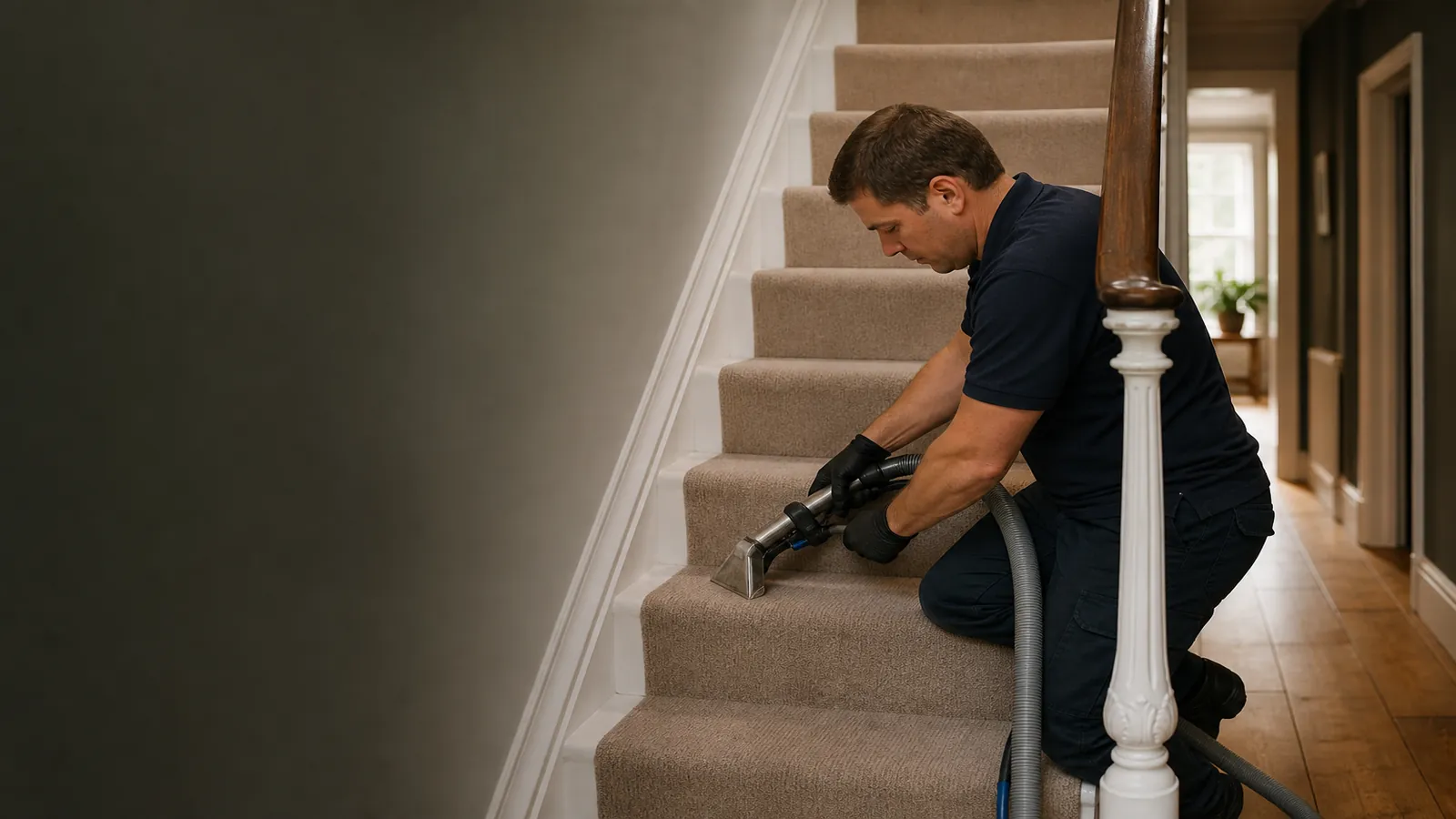

Appearance changes when light and pile direction change
A carpet can look patchy without containing a matching pattern of soil. Pile direction changes reflection, furniture compresses fibres, daylight moves through the room and artificial lighting emphasises different textures. Pale colours can show small residues clearly, while a pattern can conceal dry debris until it builds up. A Bickley carpet-cleaning assessment therefore looks from several positions before deciding which darker or lighter areas represent removable matter.
The doorway view is useful because it resembles the customer’s everyday first impression. A low side angle can reveal flattened traffic lanes; looking with and against the pile may change an apparent shade; comparing a covered area with an exposed one can indicate fading. None of these observations replaces fibre checks, but they prevent a technician from attacking visual variation as though every patch were a stain.
Preparation is kept broad and consistent. Accessible carpet is vacuumed so that loose particles do not exaggerate dullness or become slurry during a wet stage. Edges and transitions receive attention within the scope, then individual marks are assessed. The room is not cleaned only around obvious contrast because that can leave halos or a centre that looks disconnected from its margins.
Where a complete presentation matters for moving, carpet work may accompany end of tenancy cleaning. The carpet should be scheduled with enough time to dry before photographs or an inventory review. Cleaning can improve surface condition; it cannot promise to remove sunlight fading, furniture impressions or wear that becomes more visible once dirt is gone.
At handover, the cleaner and customer view the floor from the principal approaches rather than examining only one treated spot from centimetres away. Remaining shade difference is explained in terms of likely wear, pile, colour or staining. This helps distinguish a genuine cleaning omission from a permanent or angle-dependent feature of the carpet.
PROCESS / FOUR DECISIONS
Observe, prepare, clean, then change the viewpoint
01
Record the first impression
The walkthrough notes where contrast appears from the doorway, beside windows and around furniture. Customer concerns are tied to precise locations rather than broad descriptions.
02
Check fibre, colour and texture
The technician examines pile direction and material response. Unobtrusive tests are used where they can distinguish a suitable treatment from an unnecessary risk.
03
Work across the complete agreed area
Vacuuming and the selected method follow an even route. Local attention is integrated carefully so that chasing one mark does not create an over-worked island.
04
Review in ordinary light
The carpet is examined from normal positions, with the understanding that damp pile can temporarily alter shade. Remaining wear, fading or damage is explained during handover.
VISIT / HANDOVER
Show the cleaner what changes with the viewpoint
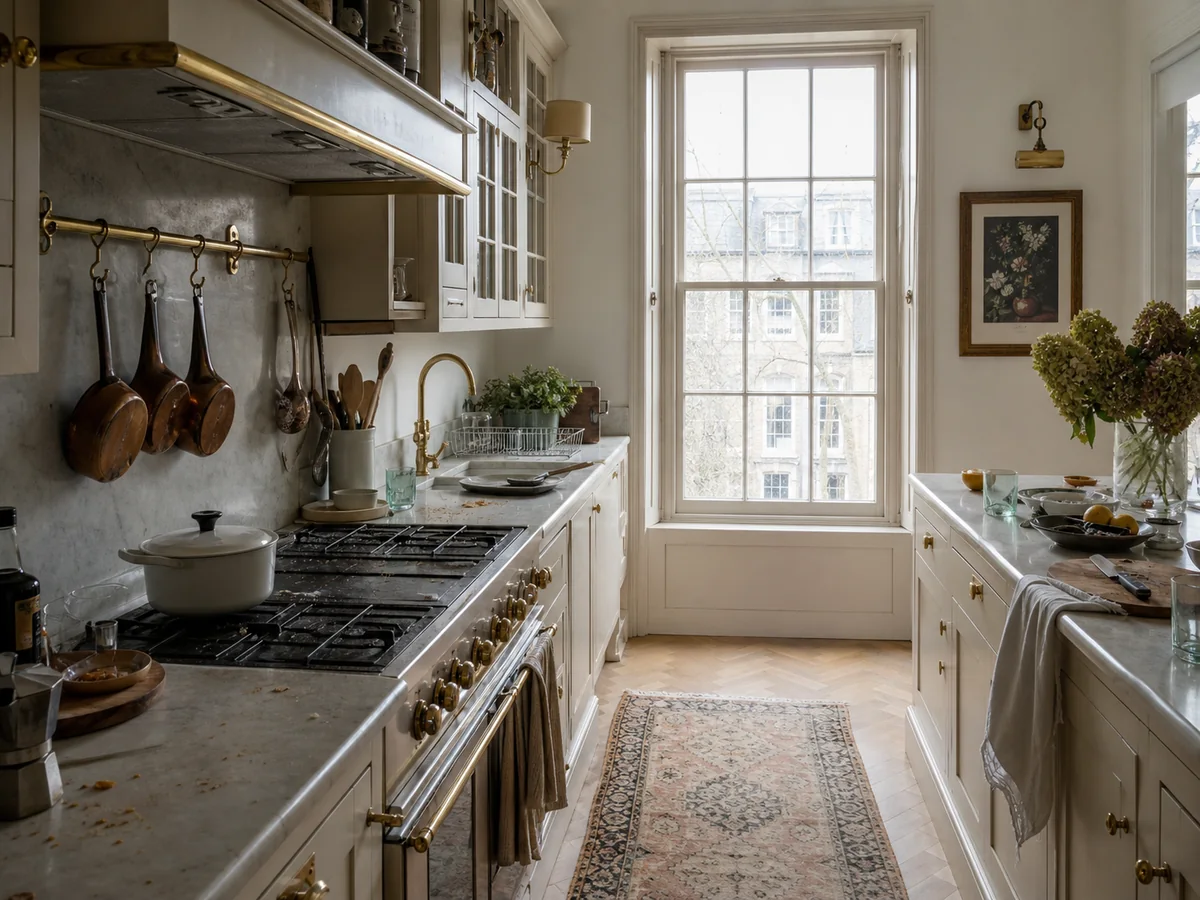
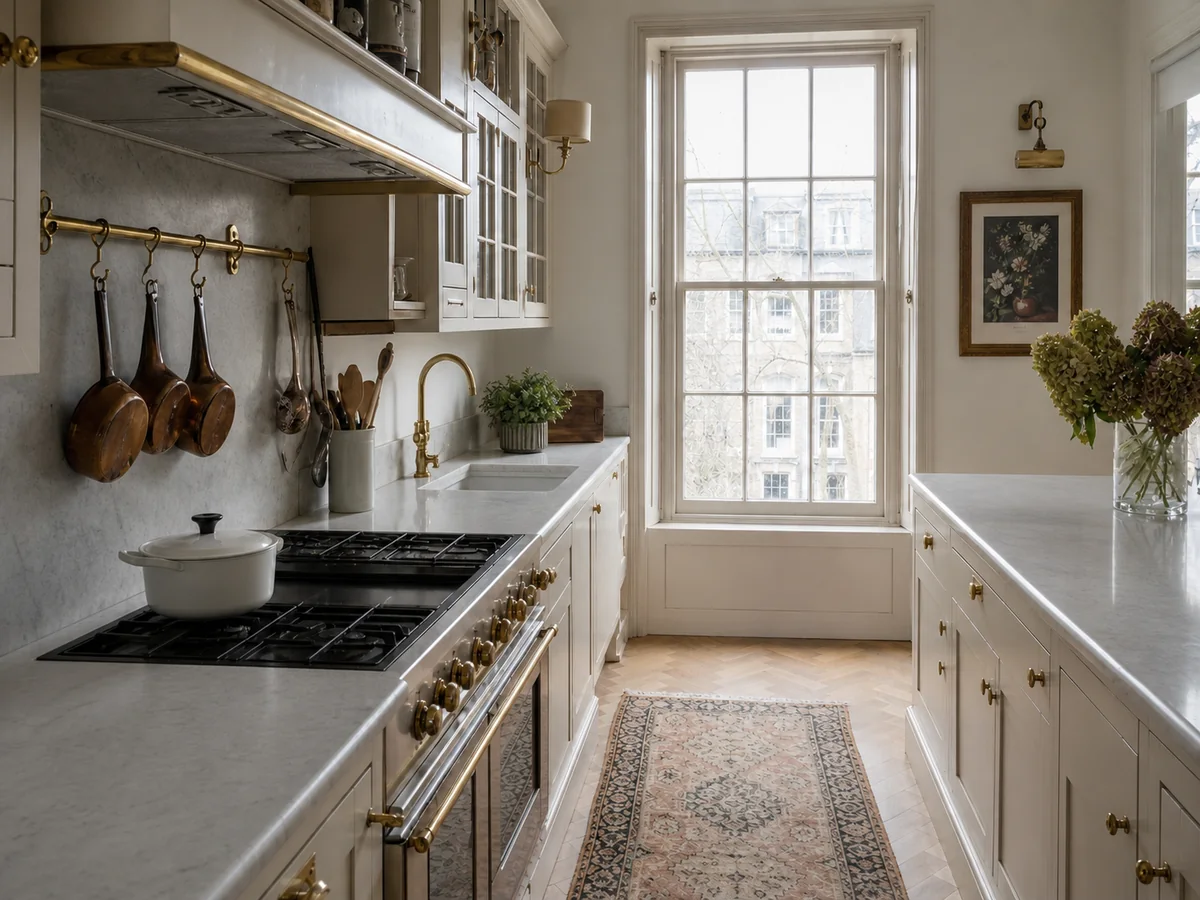
Move small items and point out furniture that has recently changed position. If a patch looks different at particular times of day or from one doorway, mention that pattern. Keep photographs of earlier damage or spills if available. Avoid applying a brightening product before the visit, because optical residue or colour change can make the original condition harder to interpret.
Damp pile may look temporarily darker
Immediately after cleaning, moisture and grooming direction can alter reflection. The handover distinguishes this temporary appearance from a persistent stain. Final judgement should allow the carpet to dry and be viewed under its normal room lighting.
Furniture outlines have several causes
Protected carpet may be less faded, the pile may be compressed and surrounding areas may carry more use. Cleaning addresses suitable soil around the outline but cannot make all three histories identical. Repositioning expectations should reflect that limitation.
Do not pursue a bleaching mark
A pale patch caused by lost dye is already a colour change. Stronger treatment risks expanding it. The cleaner identifies likely chemical damage and stops treating it as a deposit that can be dissolved.
Regular room care supports clarity
A suitable domestic cleaning routine can keep loose debris from accumulating between professional visits. Vacuum frequency should follow use, with extra attention to entrances rather than repeated application of brightening sprays.
SERVICE TEAMS / THE AGREED WORK
Four visual effects worth checking

Pile reversal and shading
Fibres lying in different directions reflect light unevenly and can create a dark shape that changes as the viewer moves. Cleaning may improve soil-related dullness, but it does not necessarily alter the underlying pile orientation.

Sunlight and covered areas
A section beneath furniture may retain a deeper original colour while exposed carpet fades. Once the item moves, the contrast can resemble dirt around a clean rectangle. The cleaner records this history instead of trying to bleach or over-clean the difference away.

Residue on a pale carpet
A small amount of sticky product can attract visible soil quickly on a light background. Previous spot-cleaning history is valuable. Controlled rinsing may be relevant where suitable, but permanent colour change must first be ruled out.

Pattern hiding preparation needs
A busy design can disguise grit along routes and edges. The absence of a dramatic dark lane does not make vacuuming optional. Systematic preparation supports both cleanliness and a more even final presentation.
A pale sofa may show similar contrast for entirely different material reasons. Use upholstery cleaning for a separate fabric assessment rather than extending carpet assumptions onto furniture.
PRICING / CLEAR STARTING POINTS
The quotation covers rooms and condition, not a shade guarantee
When requesting a quote, list the carpeted rooms, dimensions, stairs, landings, furniture and marks that concern you. Mention pale colours, strong patterns or obvious fading as observations, not as demands for a guaranteed colour match. Photographs taken from the main doorway and another angle can help the initial discussion, although camera exposure may exaggerate or hide contrast. The cleaning prices page offers general reference points. A confirmed figure should identify preparation, the included floor area and routine spot assessment rather than charging by the number of shadows visible in a photograph. If inspection shows that a patch is damaged or unstable, the technician should explain why further treatment is not good value. A sound quotation pays for deliberate work and honest judgement, not for a promise that lighting will never reveal natural pile variation again.
01
Single room
From £15 / room
Compact bedroom or study
02
Double room
From £15 / room
Standard double bedroom
03
Lounge
From £15 / room
Living room with clear equipment access
04
Stairs
Quotation
Standard flight, subject to construction
05
Hallway
Quotation
Reachable hall or landing
06
Whole property
Quotation
Measured rooms and fibre types
Prices are guide prices.
Final quotation depends on the property, condition and requirements.
SCOPE / CONFIRM BEFORE BOOKING
What an appearance-aware clean includes
Included in this brief
- Multi-angle inspection: viewing of traffic routes, shading, furniture boundaries and marks from useful positions around the room.
- Consistent dry preparation: vacuuming across the accessible floor so later decisions are not based on loose debris alone.
- Material-led cleaning: tests and treatment selected for the carpet, with local work blended into a coherent room process.
- Perspective-based review: final assessment from entrances and normal use points, with permanent visual variation explained.
Outside this cleaning brief
- Cleaning cannot restore dye faded by light, rebuild crushed or worn pile, or guarantee removal of every contrast on a pale surface.
- Furniture impressions are not promised to disappear; fibre recovery depends on construction, duration, weight and physical change.
- Colour correction, carpet repair and replacement of damaged sections are not included in routine textile cleaning.
PREPARATION / BEFORE THE VISIT
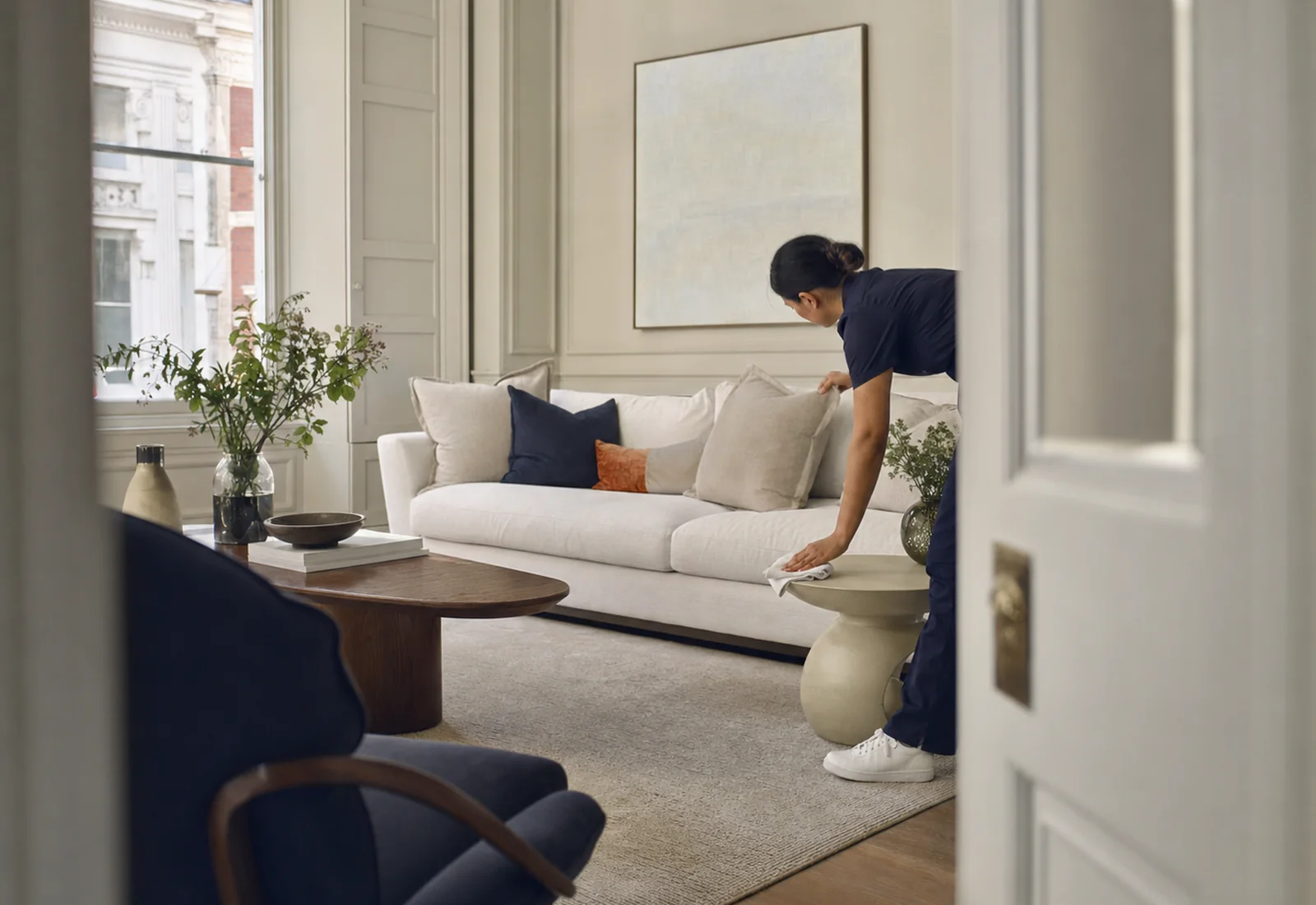
Prepare the Bickley address without pre-cleaning it.
- Confirm the entrance and any requirement involving street-specific parking controls.
- List the rooms or items covered by carpet cleaning.
- Point out sensitive finishes, pets, alarms and anything that must not be moved.
- Agree the key return, completion contact and any building time restriction.
MAP / COVERAGE CONTEXT
Route planning for carpet cleaning in Bickley.
Coverage context for Bickley. This map does not represent a staffed local office.
RELATED SERVICES / SAME AREA
Related services in Bickley
NEARBY AREAS / SAME SERVICE
Carpet Cleaning near Bickley
Pile orientation changes the way light reflects. Soil may contribute, but if the shape changes as you move, shading or texture is likely part of the appearance.
Appearance questions for Bickley carpets
Why does the carpet look darker from one direction?
No. Fading is loss or alteration of colour, not a removable layer. Cleaning may improve surrounding soil and therefore make the contrast easier to understand.
Can cleaning remove sunlight fading?
They may relax to some degree, but no result can be guaranteed. Construction, weight and the length of compression all influence whether the pile recovers.
Will furniture dents disappear?
Use the handover to identify obvious concerns, but remember that moisture and grooming affect shade. Review the settled appearance again after proper drying.
Should I judge the carpet while it is damp?
No. The map describes service coverage; it does not identify a staffed local branch.
Describe the contrast, not just the colour
For carpet cleaning in Bickley, list the rooms and explain where appearance changes by angle, light, furniture position or traffic. Add known spill and product history. The cleaner can then separate surface soil from shading, fading and wear, delivering a room-wide process with realistic visual expectations.