
Creekmouth /
Carpet Cleaning Creekmouth: Make Shared Access Part of the Brief
- Arrival details agreed before equipment is unloaded
- A workable route through entrances, corridors and lifts
- Occupied rooms sequenced to limit disruption
- Carpet care judged independently from building logistics
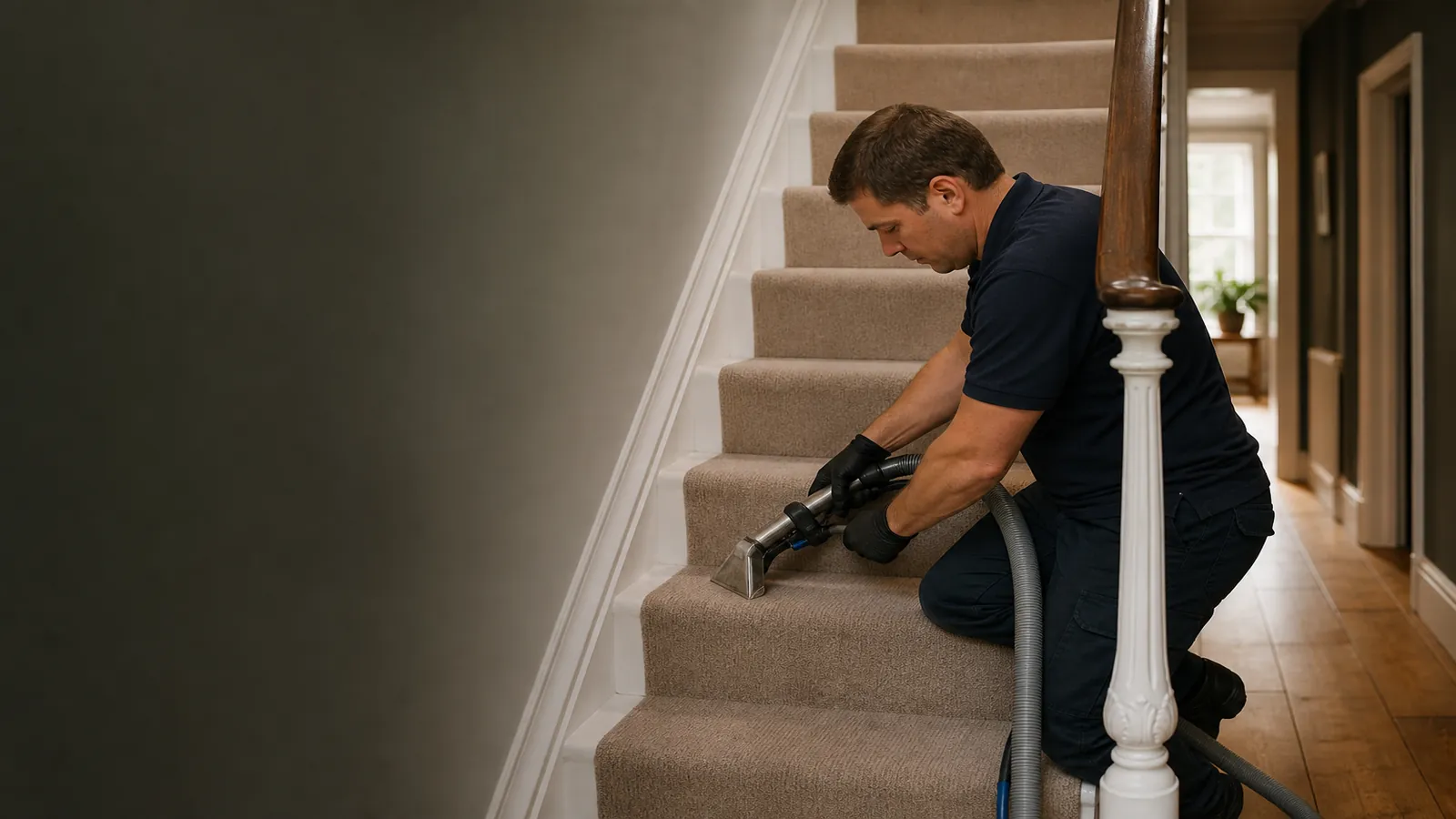
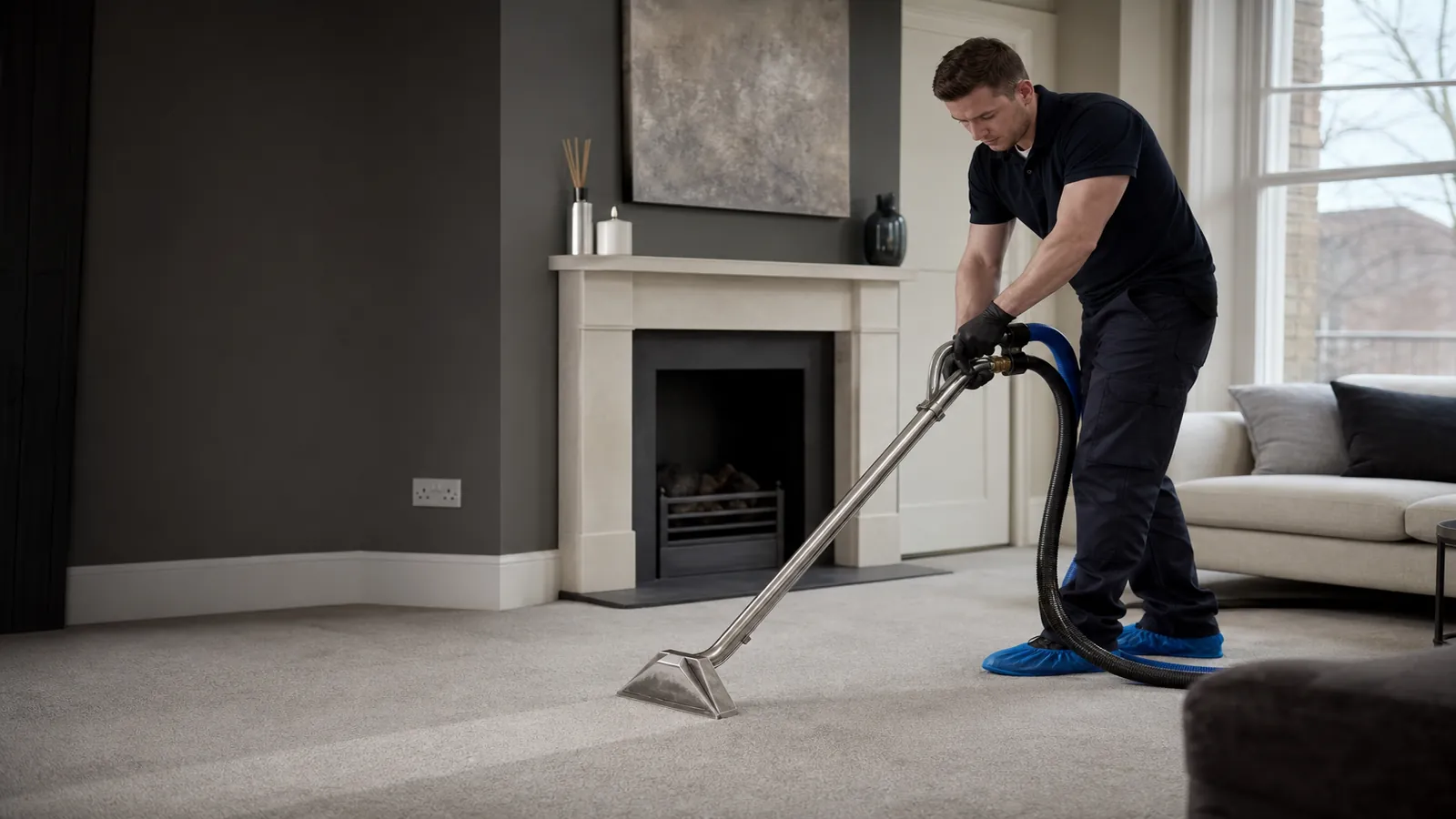
The journey to the carpet can shape the appointment
A booking may look simple on a room list yet become difficult if the route into the property has not been discussed. Entry systems, shared corridors, stairs, lifts, loading restrictions and distance from parking can all affect how equipment reaches the carpet. None of those details changes the cleaning standard, but they influence setup time, safe movement and the order in which spaces can be completed. For a Creekmouth enquiry, a concise access note is as useful as an accurate room count.
The best information is practical rather than elaborate. Explain which entrance should be used, whether someone must meet the cleaner, where a lift is located, and whether any shared route must remain unobstructed. If access is controlled by a concierge, landlord or building manager, confirm the arrangement before the appointment. The cleaner should not have to leave machinery unattended while trying several doors or discovering a restriction that could have been resolved earlier.
Inside the property, the same principle applies. A home office, occupied bedroom or main walkway may need to stay available for part of the visit. The customer and technician can agree a room sequence that creates a temporary clean route without repeatedly crossing damp carpet. This does not guarantee uninterrupted access to every space; it turns unavoidable restrictions into a planned part of the day.
Some customers combine carpet work with domestic cleaning. Coordination is helpful when the order is explicit. Dusting, high-level work and movement of small belongings should generally be addressed before the relevant floor is cleaned, while products intended for hard surfaces should be kept away from textile areas. The two teams or tasks need a shared timetable, not a blurred scope.
Once equipment is in place, carpet decisions return to the material itself. Fibre response, colour stability, pile condition, dry debris and individual marks determine the method. A complicated entrance should never become a reason to rush inspection or apply one treatment everywhere. The handover then includes both the carpet outcome and the safe removal route, leaving common areas as orderly as they were found.
PROCESS / FOUR DECISIONS
From first description to final walkthrough
01
Define the rooms and priorities
The customer identifies every carpeted area, stairs or landing to be included and describes notable spills, odours, loose fitting or previous treatment. Access and furniture arrangements are clarified before arrival.
02
Inspect before applying product
The cleaner examines construction, visible condition, colour response and vulnerable points. Tests are used where they add useful evidence. The planned technique is adjusted if the carpet does not support the original assumption.
03
Prepare and clean systematically
Loose grit is removed first. Appropriate pre-treatment is confined to relevant areas and given useful contact time. Cleaning then proceeds in a consistent order, with recovery and moisture considered throughout rather than only at the end.
04
Review, explain and hand over
The booked rooms are checked from more than one angle. Remaining wear, staining or damage is pointed out plainly. The customer receives guidance on ventilation, foot traffic, replacing furniture and responding to future spills.
VISIT / HANDOVER
A little preparation makes the visit easier to manage


Remove small objects, cables, toys, fragile possessions and anything valuable from the working route. Vacuuming beforehand is welcome but does not replace professional preparation. Make a note of unknown products used on a stain, and avoid adding another mixture immediately before the appointment. If entry, parking or shared access needs explanation, include it with the booking details rather than leaving it to be solved while equipment is being carried in.
When a mark is actually wear
Pile that has been repeatedly compressed can reflect light differently and resemble a dirty patch. The colour may look better after debris is removed, but the texture can remain altered. Examining the area from several directions helps prevent aggressive spotting of a problem that is physical rather than soluble.
Why repeated DIY products matter
Previous sprays may leave sticky residue, move colour or make later treatment less predictable. Tell the cleaner what was applied, even if it appeared to do nothing. That history can influence testing and may explain why a patch attracts soil more quickly than the surrounding carpet.
What to do with a fresh spill
Blot carefully with a clean, colourfast cloth and work from the outside towards the centre. Do not scrub the pile or flood the backing. Avoid combining household chemicals. Record the substance and the steps already taken so that any later professional advice starts with accurate information.
How maintenance fits a wider reset
Carpet care may be one part of a larger domestic cleaning plan. Sequence matters: dusty overhead or room work should not deposit fresh debris on a newly cleaned floor. Discuss the complete brief so that separate services can be ordered sensibly while retaining their individual checks.
SERVICE TEAMS / THE AGREED WORK
Four clues that change the conversation

The source is still active
Recurring dampness after rain, plumbing use or appliance operation points beyond a one-off carpet spill. Stop the source and obtain appropriate advice before expecting textile cleaning to hold a result.

The mark extends beyond the visible pile
Discolouration or odour may involve backing and underlay. Surface treatment can improve suitable accessible material, but it cannot prove that hidden layers have been removed or sanitised.

The area was repeatedly saturated
Several home-cleaning attempts can spread residue, alter dye or keep the backing wet. Record every product and extraction attempt. The technician needs that history before adding another solution.

The carpet is dry and the spill is contained
A known surface event with stable carpet can be assessed through the normal process. Fibre, colour, age and previous treatment still influence what improvement is realistic.
If an odour is also present in seating, upholstery cleaning uses a separate fabric assessment. A smell noticed in one room should not automatically be assigned to the carpet.
PRICING / CLEAR STARTING POINTS
The quotation depends on whether the issue is actually in scope
List all carpeted rooms, stairs and landings, then describe any moisture-related concern with dates and likely cause. State whether the source has been repaired, whether the area still feels damp and what previous extraction or products were used. Photographs can show the boundary of a mark but cannot establish the state of underlay. General information appears on the cleaning prices page; a confirmed quotation should cover ordinary accessible carpet only where the company is satisfied that routine work is suitable. An inspection may reveal that part of the request needs another discipline. That is a valuable decision, not a failure to sell cleaning. Quoting a room without discussing a recent leak can waste the appointment and encourage surface work that does not address the cause.
01
Single room
From £15 / room
Compact bedroom or study
02
Double room
From £15 / room
Standard double bedroom
03
Lounge
From £15 / room
Living room with clear equipment access
04
Stairs
Quotation
Standard flight, subject to construction
05
Hallway
Quotation
Reachable hall or landing
06
Whole property
Quotation
Measured rooms and fibre types
Prices are guide prices.
Final quotation depends on the property, condition and requirements.
SCOPE / CONFIRM BEFORE BOOKING
What a moisture-aware carpet assessment covers
Included in this brief
- Source conversation: review of known spills, leaks, plant water, previous extraction and any area that remains damp or smells unusual.
- Surface suitability check: observation of carpet condition, fibre response and signs that suggest routine cleaning should be deferred.
- Defined textile work: preparation and suitable treatment confined to dry, accessible carpet within the accepted room scope.
- Boundary handover: explanation of residual staining, odour uncertainty and any concern that extends beyond surface carpet care.
Outside this cleaning brief
- Active leak investigation, plumbing repair, structural drying and flood restoration are not routine carpet-cleaning tasks.
- The service cannot certify underlay, subfloor or concealed cavities as clean or dry when they are not accessible for inspection.
- A fragrance or temporary reduction in smell is not presented as guaranteed removal of a hidden odour source.

PREPARATION / BEFORE THE VISIT
Prepare the Creekmouth address without pre-cleaning it.
- Confirm the entrance and any requirement involving street-specific parking controls.
- List the rooms or items covered by carpet cleaning.
- Point out sensitive finishes, pets, alarms and anything that must not be moved.
- Agree the key return, completion contact and any building time restriction.
MAP / COVERAGE CONTEXT
Route planning for carpet cleaning in Creekmouth.
Coverage context for Creekmouth. This map does not represent a staffed local office.
RELATED SERVICES / SAME AREA
Related services in Creekmouth
NEARBY AREAS / SAME SERVICE
Carpet Cleaning near Creekmouth
No responsible cleaner can guarantee that without knowing the fibre, substance, age, prior products and whether colour or texture has been permanently changed. Suitable treatment can be attempted after assessment, with the likely limitations explained first.
Questions to settle before an Creekmouth carpet booking
Can you guarantee that an old stain will disappear?
There is no universal drying time. Method, pile, ventilation, temperature, humidity and treatment level all contribute. Follow the handover advice and avoid heavy traffic or replacing items that may transfer colour until the carpet is dry.
How long should the rooms stay out of use?
Small, fragile and valuable belongings should be removed. Larger furniture depends on safety, access and the agreed scope. Describe the room contents when requesting the quote so that the accessible area is understood.
Does all furniture have to leave the room?
Yes. Removing loose grit before it becomes embedded protects the appearance of traffic routes. Vacuum according to use rather than waiting for visible dirt, and deal with spills promptly without experimenting with several chemicals.
Is regular vacuuming still necessary after professional cleaning?
No. The map describes service coverage; it does not identify a staffed local branch.
Describe the carpet rather than guessing the solution
For a carpet-cleaning quote in Creekmouth, list the rooms, stairs and landings, explain the marks that concern you and mention furniture or access constraints. Those details allow the appointment to be planned around the carpet in front of us. You will receive a defined scope, an inspection-led method and honest guidance where cleaning has a limit.