
East India /
Carpet Cleaning East India: Prioritise Rooms Without Cutting the Method
- High-use areas identified before the quotation is agreed
- Quiet rooms left out when they do not need professional work
- Preparation retained even within a smaller booking
- Every included carpet assessed on its own condition
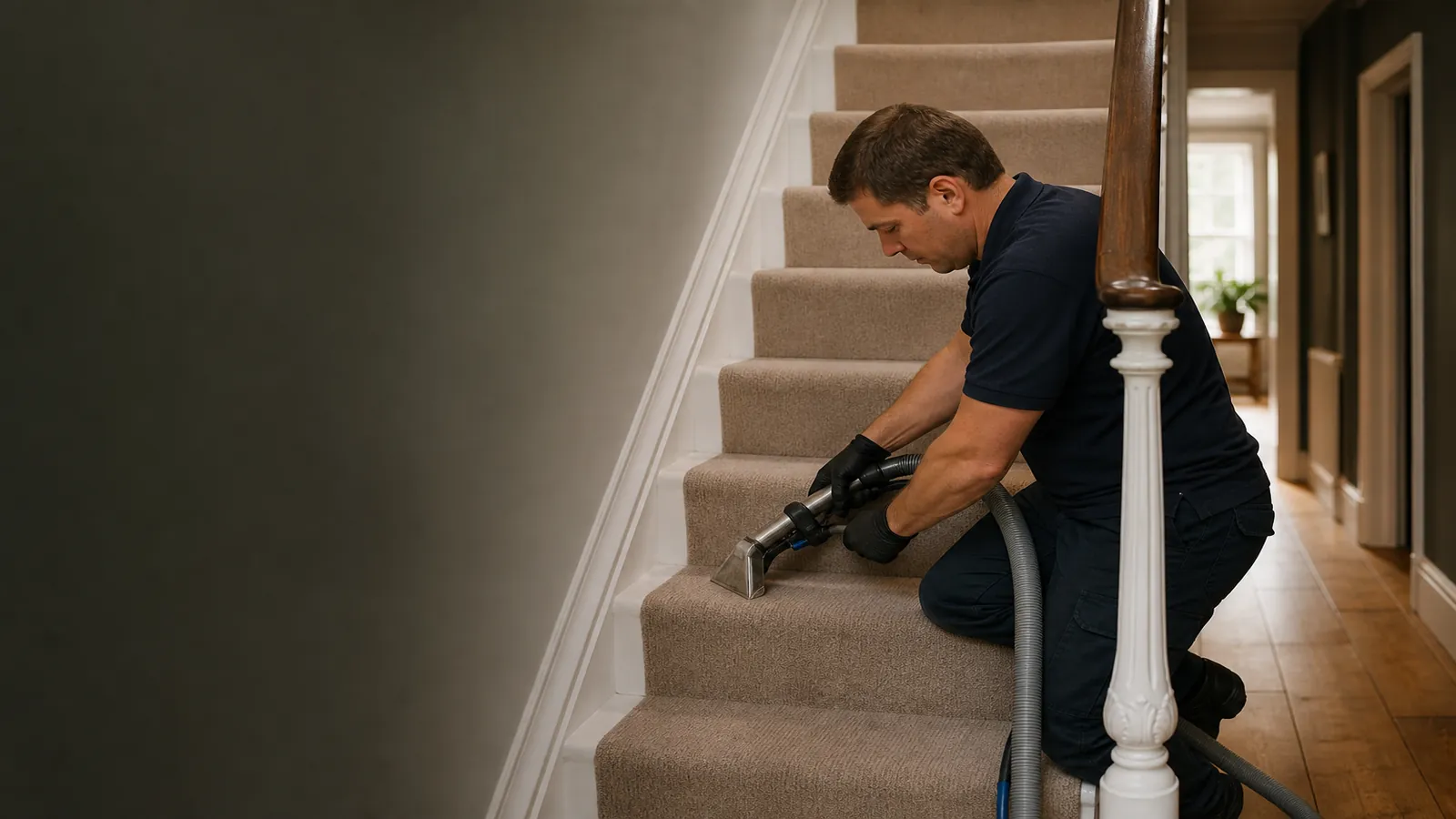
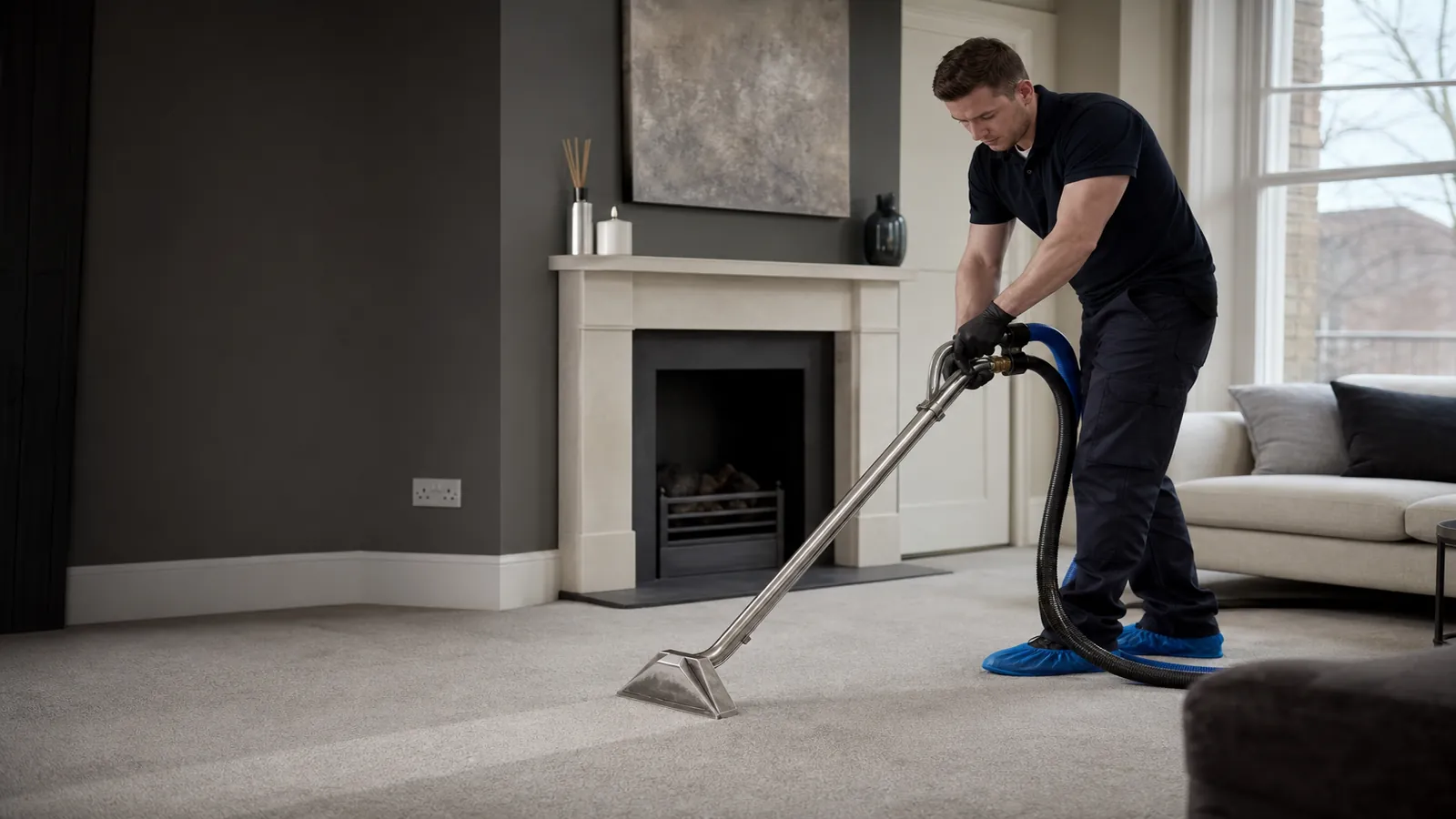
A focused scope can still be a complete professional clean
Customers do not always need every carpet cleaned on the same day. An entrance, sitting room and staircase may show a clear need while a lightly used bedroom remains satisfactory. For a East India enquiry, ranking rooms by use and condition can create a more honest scope than accepting a whole-property package by default. The important distinction is between reducing the number of areas and reducing the quality of the method inside those areas.
Each selected room still requires inspection, dry preparation, suitable spot decisions, an appropriate cleaning approach and a final review. Vacuuming should not disappear because the quote is smaller, and high-traffic carpet should not be flooded to create a quick dramatic contrast. The cleaner concentrates resources on the agreed priorities while retaining the stages that protect textile and outcome.
The ranking conversation looks at traffic, loose debris, spills, residue, odour concerns, furniture and timing. It also considers whether the room can dry without disrupting essential household movement. A staircase may deserve inclusion because it links every floor, yet its temporary closure needs planning. A quiet room may be deferred without being declared clean forever.
If regular domestic cleaning supports the property, vacuuming and prompt spill care can extend the useful interval for lower-traffic areas. General cleaning does not replace a textile inspection where marks, residue or embedded debris develop. The two services work best when each has a clear purpose.
At handover, the customer receives notes for included and deferred rooms. Permanent wear is identified so it does not drive unnecessary repeat appointments. The next decision can follow actual change rather than a sales calendar, keeping the maintenance plan proportionate over time.
SERVICE TEAMS / THE AGREED WORK
Four decisions that shape the finish

Read traffic lanes in context
The route between a doorway and seating area often contains both loose debris and compressed pile. Vacuuming may remove abrasive particles, while cleaning can improve colour clarity; neither step can make physically worn fibres stand as new. Recording that distinction sets a fair expectation before the lane is treated.

Give spots their own diagnosis
A drink spill, oily residue and an unknown pale patch should not receive the same response. We consider what caused the mark, how long it has been present and what has already been applied. The answer may be a targeted procedure, a cautious test or a recommendation to leave an unstable area alone.

Plan the room, not only the stain
Preparation and cleaning follow a route through the accessible carpet so that attention is not confined to the centre. Edges, transitions and furniture boundaries are considered in the agreed scope. This creates a more coherent appearance when the room is viewed as it is normally used.

Leave a realistic drying plan
Drying depends on ventilation, indoor conditions, carpet density and the amount of work required. We manage liquid use and explain how to support airflow safely. A cool surface can still hold moisture, so normal heavy use should wait until the carpet is genuinely dry.
If another textile also needs attention, the upholstery cleaning service has a separate fabric assessment. Coordinated scheduling does not remove the need to check each material on its own merits.
A photograph can support consistent observation
Take the dry carpet from a repeatable position and similar lighting. The image is not a laboratory measurement, but it can show gradual change in traffic routes. Avoid comparing a damp post-clean photograph with a dry image from another season.
Vacuum frequency follows traffic
Entrance lanes and favourite seating routes may need attention more often than quiet edges. Use equipment suitable for the carpet and empty or maintain it as directed. Slow, overlapping passes are usually more useful than rapid daily gestures.
Renovation dust changes the plan
Fine building residue should be addressed carefully before ordinary maintenance resumes. Describe recent work when booking. The presence of dust does not justify saturating the carpet; effective dry preparation becomes especially important.
Maintenance and moving are separate triggers
A planned end of tenancy cleaning may set a deadline, while routine carpet care is normally flexible. Where both apply, schedule enough drying time and keep the textile scope explicit.
PRICING / CLEAR STARTING POINTS
Why the quote follows the brief
A carpet quotation needs more than a bedroom count. The number and approximate size of carpeted rooms, stairs, landings, fibre information if known, current condition, priority spots, furniture constraints and access all affect the amount of work. A clear enquiry lists every area that should be included and mentions anything that could alter preparation or treatment. General context is available on the cleaning prices page, but the confirmed figure should describe this booking rather than rely on an attention-grabbing starting price. Photographs can help explain a spill or room layout, yet they cannot always establish fibre type, dye stability or whether a dark patch is wear. If inspection changes a material assumption, the technician should explain the implication before extending the scope. Value comes from preparation, careful decisions and an even finish—not from repeatedly wetting a stubborn mark to create the appearance of extra effort.
01
Single room
From £15 / room
Compact bedroom or study
02
Double room
From £15 / room
Standard double bedroom
03
Lounge
From £15 / room
Living room with clear equipment access
04
Stairs
Quotation
Standard flight, subject to construction
05
Hallway
Quotation
Reachable hall or landing
06
Whole property
Quotation
Measured rooms and fibre types
Prices are guide prices.
Final quotation depends on the property, condition and requirements.
PROCESS / FOUR DECISIONS
Use the previous baseline to inform, not dictate
01
Review what changed
The customer describes use since the last clean, current concerns and previous products. Permanent features noted earlier are separated from new condition changes.
02
Reassess the textile
The cleaner checks fibre behaviour, fitting, colour and wear afresh. A method is not repeated merely because it was once suitable.
03
Complete the justified work
Dry preparation, appropriate spot attention and room cleaning proceed in a controlled sequence. Areas outside the agreed maintenance scope are not added without discussion.
04
Create the next reference point
After drying guidance, the customer records the settled result and any acknowledged limitations. Future timing can then follow observation instead of memory.
VISIT / HANDOVER
Bring useful history, not a demand to repeat everything


Locate any previous care notes if available and list new spills, products and changes in use. Vacuum normally rather than hiding the condition with last-minute wet products. Clear small items and decide which rooms genuinely need inclusion. If a permanent mark was identified previously, point it out so the technician can check for change without repeatedly pursuing it.
SCOPE / CONFIRM BEFORE BOOKING
What a condition-led carpet appointment includes
Included in this brief
- Survey and brief: confirmation of the booked rooms, stairs and landings, priority marks, access constraints and observable risks before treatment begins.
- Dry preparation: deliberate vacuuming of accessible carpet, with attention to entrance routes, edges and places where loose grit is likely to collect.
- Suitable cleaning: proportionate pre-treatment and a method selected after inspection, with moisture and repeated passes kept under control.
- Handover: a review of the treated areas, remaining limitations, ventilation options and practical care until the carpet is properly dry.
Outside this cleaning brief
- Cleaning cannot rebuild worn pile, restore bleached dye, mend loose seams or reverse permanent fibre damage. These conditions are identified rather than disguised as removable staining.
- Moving unusually heavy, fragile or unsafe furniture is not assumed. Small and valuable items should be cleared, while larger pieces are discussed when the booking is scoped.
- Flood restoration, pest treatment, carpet repair and re-stretching require different expertise. A routine cleaning visit is not presented as a substitute for those services.
PREPARATION / BEFORE THE VISIT
Prepare the East India address without pre-cleaning it.
- Confirm the entrance and any requirement involving street-specific parking controls.
- List the rooms or items covered by carpet cleaning.
- Point out sensitive finishes, pets, alarms and anything that must not be moved.
- Agree the key return, completion contact and any building time restriction.
MAP / COVERAGE CONTEXT
Route planning for carpet cleaning in East India.
Coverage context for East India. This map does not represent a staffed local office.
RELATED SERVICES / SAME AREA
Related services in East India
NEARBY AREAS / SAME SERVICE
Carpet Cleaning near East India
It depends on carpet guidance, traffic, household use, condition and priorities. Observe the floor and maintain it routinely rather than relying on one universal interval.
Maintenance questions for East India carpet care
How often should professional cleaning be booked?
Suitability, technique and moisture matter more than a slogan about frequency. Unnecessary or poorly controlled work can be unhelpful; justified professional care should follow inspection.
Does frequent cleaning damage carpet?
Yes, request the rooms that need work and list stairs separately. Each included carpet is assessed, and quiet areas do not have to be added merely for symmetry.
Can I book only the high-use rooms?
Keep notes on permanent limitations, drying, products used if provided, and a dry reference image. Monitor traffic routes and new incidents rather than expecting the carpet to remain unchanged.
What should I record after the visit?
No. The map describes service coverage; it does not identify a staffed local branch.
Build the booking from what the carpet shows now
For carpet cleaning in East India, list the areas that have changed, the use behind that change and any previous products or professional work. The appointment can then create a reliable new baseline, with no artificial recurring interval and no pressure to include rooms that do not need attention.