
Greenwich / SE10
Carpet Cleaning Greenwich: Care Planned from the Textile Outwards
- Use of the room discussed before equipment is positioned
- Books, papers and delicate belongings kept outside the work zone
- Cleaning stages sequenced to preserve safe access
- Drying advice matched to the textile and room conditions
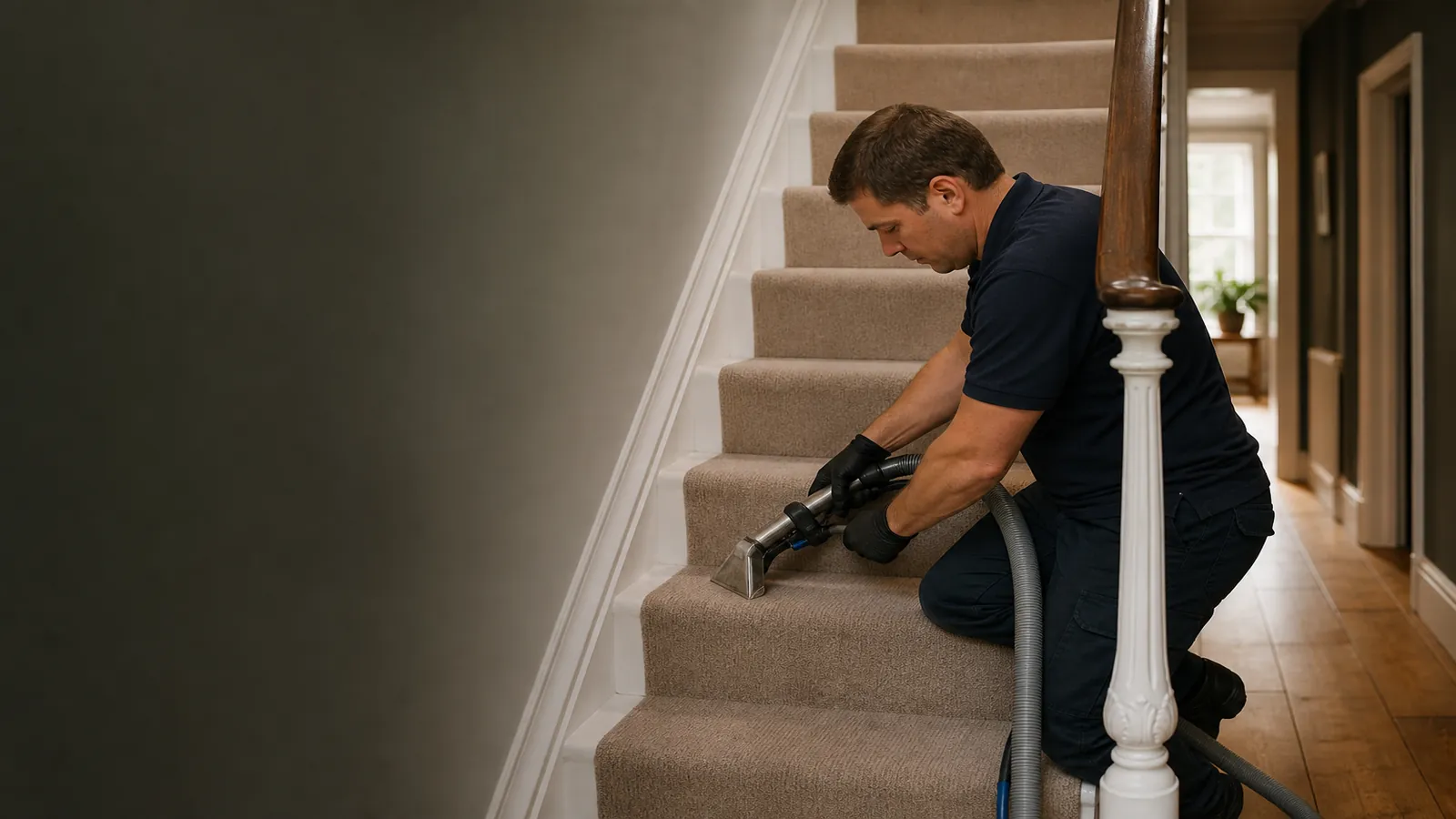
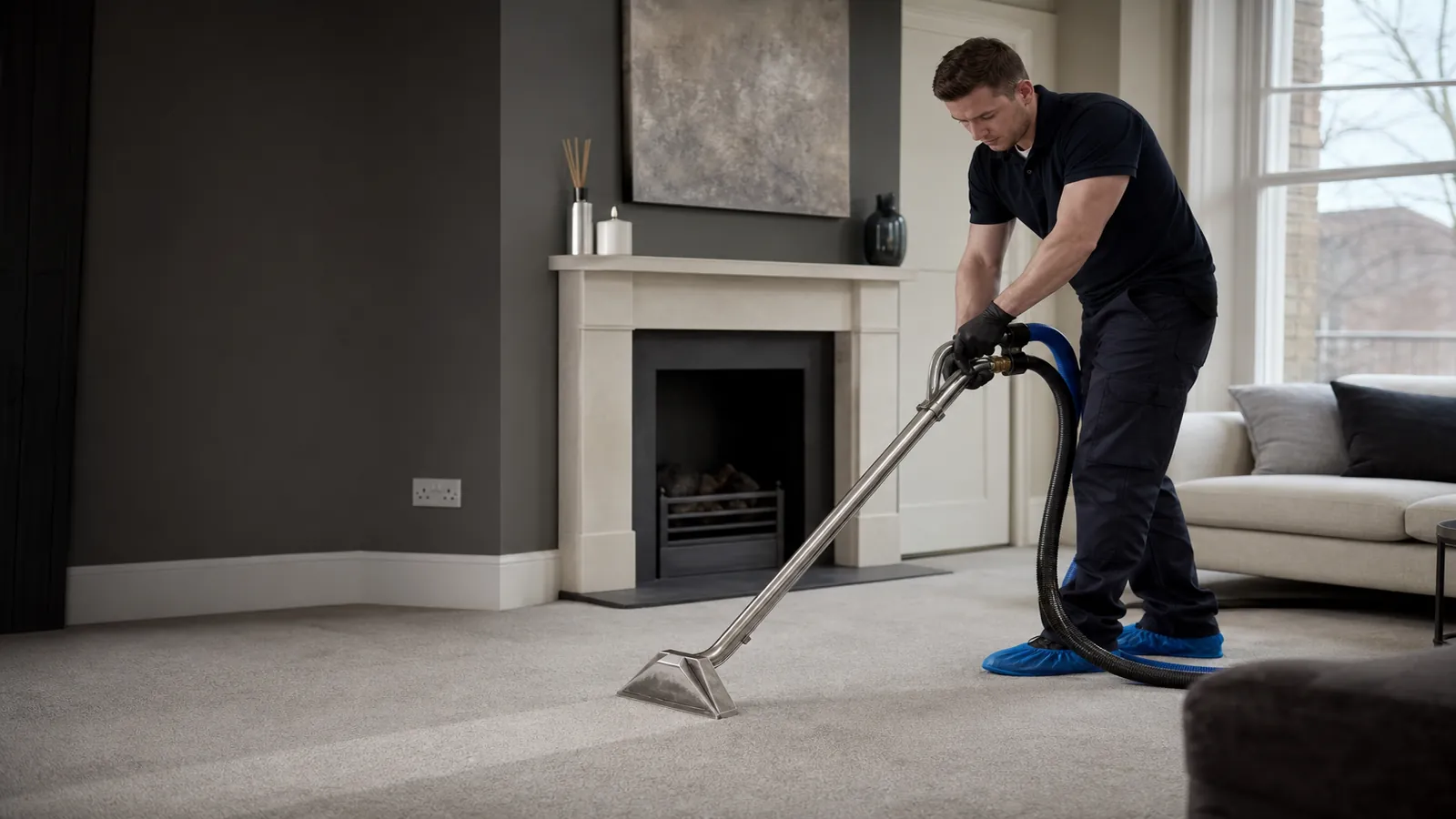
Carpet cleaning in Greenwich with fibre and access details checked
Carpet cleaning in Greenwich needs to account for period streets, estate flats and riverside apartments. Fibre type, pile construction, previous treatments and the backing beneath the carpet determine which method is appropriate; visible colour alone is not enough to choose chemistry or moisture levels.
A useful inspection separates general soil from individual stains, flattened traffic lanes and permanent fibre damage. Entrance routes, family rooms, pets and rented bedrooms often need different pre-treatment. Professional carpet cleaning should therefore begin with testing, careful vacuuming and realistic expectations for older marks.
Locally, tourist traffic, underground parking and shared entrances can affect how extraction equipment reaches the property. Confirm parking, floor level, water access and furniture movement before arrival. Ventilation and pile depth also influence drying, so rooms should not be put back into heavy use immediately after treatment.
Where sofas or dining chairs show related wear, coordinated upholstery care may be practical, but only after the fabric has been assessed separately. Tenants should allow enough drying time before checkout photographs or an inventory inspection.
- Fibre check. Identify pile, backing and previous treatments.
- Stain assessment. Separate removable soil from permanent damage.
- Access plan. Confirm parking, stairs, lifts and water supply.
Furniture changes access, soil patterns and expectations
Most carpet is cleaned in rooms that contain something. Sofas protect one section from light while concentrating use around their edges; beds create narrow working routes; desks may be connected to equipment that cannot be shifted casually. The Greenwich page treats furnishing as part of the cleaning brief rather than an awkward detail discovered after setup.
The customer lists what can be cleared, what may be moved by agreement and what must stay. The operative then distinguishes nominal floor area from carpet that is genuinely reachable. This protects belongings, prevents promises about hidden sections and makes the quotation understandable without assuming any standard Greenwich room arrangement.
Exposed carpet is compared with protected pile because the contrast can reveal soil, fading or compression. Cleaning may bring the open area closer to its sheltered reference, but sunlight and wear can preserve a difference. The final result is judged honestly instead of moving furniture back quickly to conceal a limitation.
Working order matters in a crowded room. Dry extraction reaches edges and accessible gaps first; light items are placed only where they remain safe; pre-treatment and extraction proceed in sections that do not force the technician onto freshly cleaned pile. Moisture recovery and furniture protection form part of the same plan.
Fabric seating is not simply another obstacle or a bonus cleaning surface. Its labels, cushion fillings, piping and dye response require separate examination. Customers can combine the appointment with upholstery cleaning, provided both scopes are declared before the team arrives.
SERVICE SCOPE / READ BEFORE BOOKING
A Greenwich clean with an optical condition check
Included in this brief
- Multi-angle inspection of pile, traffic routes and known marks
- Dry extraction and textile-compatible pre-conditioning
- Controlled rinse, recovery and grooming appropriate to construction
- Final comparison explaining soil, shading, fading and wear
Outside this cleaning brief
- A guarantee that directional pile will look identical from every viewpoint
- Re-dyeing of faded areas or replacement of abraded fibres
- Photography staged to conceal permanent variation

PRICING / CLEAR STARTING POINTS
Price the zones that actually need work
List every carpeted room, flight of stairs and landing, then identify fibres, furnishings, notable marks and access. Published information remains on the prices page. The Greenwich quotation reflects the declared zones rather than treating a lightly used bedroom and a heavily travelled route as interchangeable units.
01
Single room
From £15 / room
Compact bedroom or study
02
Double room
From £15 / room
Standard double bedroom
03
Lounge
From £15 / room
Living room with clear equipment access
04
Stairs
Quotation
Standard flight, subject to construction
05
Hallway
Quotation
Reachable hall or landing
06
Whole property
Quotation
Measured rooms and fibre types
Prices are guide prices.
Final quotation depends on the property, condition and requirements.
SERVICE TEAMS / THE AGREED WORK
Maintenance problems that deserve different responses
A tacky traffic lane
Stickiness may indicate a spill, unsuitable spot product or cleaning residue. Inspection and a modest test come first; simply adding a stronger pre-spray risks compounding the very issue being addressed.

Fine grit returning after vacuuming
Particles can sit below the visible tips, particularly in dense pile. Slow, overlapping passes in more than one direction may be needed before the wet stages begin, rather than relying on a quick surface sweep.

A room treated with a hire machine
Previous work is not criticised or ignored. We ask what was used and observe the textile response, because remaining foam, over-wetting or no adverse effect at all are separate possibilities requiring evidence.

Clean carpet beside fabric seating
Transfer from frequently used upholstery can affect adjacent flooring, but the sofa needs its own fibre test. If both are being considered, upholstery cleaning is scoped independently.
The Greenwich maintenance angle is about reducing avoidable residue and embedded particles. It is not a fixed recipe, and delicate constructions may require a different balance of moisture and agitation.
PROCESS / FOUR DECISIONS
Use the condition record throughout the appointment
01
Document before changing the view
The technician walks the agreed areas with the customer where possible, notes prominent defects and confirms handling limits. Fibre and colour checks are made discreetly when the evidence calls for them.
02
Prepare without disturbing details
Vacuum tools are selected for accessible pile and edges. Loose matter is removed methodically, while unstable trim or delicate sections are approached within the boundary recorded at the start.
03
Treat the field and spots separately
General pre-conditioning remains even and material-compatible. Marks receive precise applications rather than blanket strength; extraction balances adequate rinsing with recovery and protects decorative transitions.
04
Reconcile the result with the register
The cleaner revisits noted areas, photographs or explains any lasting change and gives aftercare suited to the conditions. A revealed patch is discussed from evidence rather than attributed casually.
VISIT / HANDOVER
Bring the previous maintenance history
State when the carpet was last cleaned, which rooms changed first and what products were used. Send comparable photographs if available. Customers arranging ongoing surrounding care can use domestic cleaning, while keeping carpet observations specific.
Nominal room size is not reachable carpet
A floor plan may include space occupied by fitted units, loaded storage or objects that have nowhere safe to go. The useful measurement is paired with a furniture discussion. This yields a realistic working area and prevents disagreement about sections that could never be accessed.
Known marks still need a textile test
Advance photographs help locate concerns but cannot reveal backing condition, dye stability or every product previously applied. The technician assesses the spot on site, beginning conservatively and stopping when further treatment would add risk rather than meaningful improvement.
Drying is part of room logistics
Ventilation, temperature, pile depth and recovered moisture all influence the handover. Occupants should avoid outdoor shoes, replace heavy items only when advised and leave air paths open where safe. A generic clock-based answer would disregard those variables.
Mattresses have a different return-to-use question
A bed cannot be treated as another patch of floor. Layers, filling and intended use require their own inspection and moisture plan. See mattress cleaning when that item belongs in the wider booking.
MAP / COVERAGE CONTEXT
Plan the route into the Greenwich property.
Coverage context for Greenwich. This map does not represent a staffed local office.
EXPLORE / NEXT
Related services in Greenwich
EXPLORE / NEXT
Nearby areas for carpet cleaning
Only where the equipment route and phased plan make that safe. Occupants cannot cross active hoses or damp sections freely; access needs must be agreed before confirmation.
Greenwich questions about busy carpet
Can the floor stay open during cleaning?
Not automatically. Soil, fibre and residue determine product choice. Better dry preparation or contact time may be more useful than increasing strength across worn carpet.
Does high footfall require stronger chemicals?
Availability can be discussed, but no time is assumed from the location or use type. The accepted appointment must still allow inspection, full treatment and a proper handover.
Can you work outside normal room hours?
Only if a relevant bed exists and is declared. Mattress cleaning has a separate material and drying scope; it is never an automatic carpet add-on.
Can a mattress be added to a workplace booking?
No. It describes service coverage and practical local context, not a staffed branch.
Send a Greenwich room list that marks every carpet change
Provide measurements, stairs, labels, threshold photographs, replacement sections, known marks and access. Do not merge visually similar carpets in the description when their history differs. A precise material map supports safer tests, suitable tool changes and a handover that explains each room without falling back on generic copy.