
Globe Town / E1, E2
Carpet Cleaning Globe Town: Work with Family and Pet Routines
- High-use zones identified without labelling the whole carpet
- Spills, tracked grit and odour concerns assessed separately
- Products kept proportionate to the textile and the problem
- Aftercare designed for a home that returns to daily life
Busy rooms need a map of use, not a harsher clean
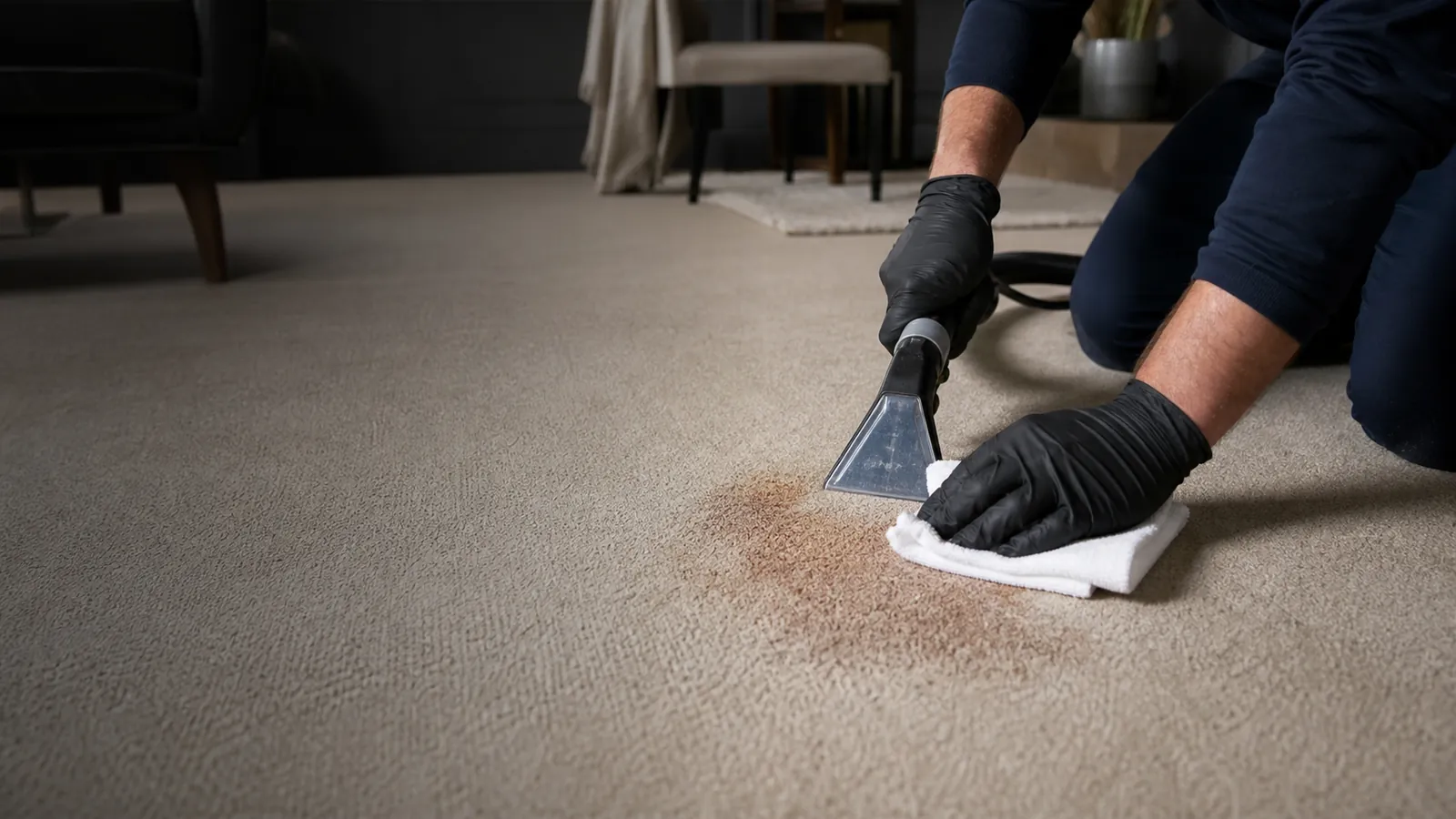
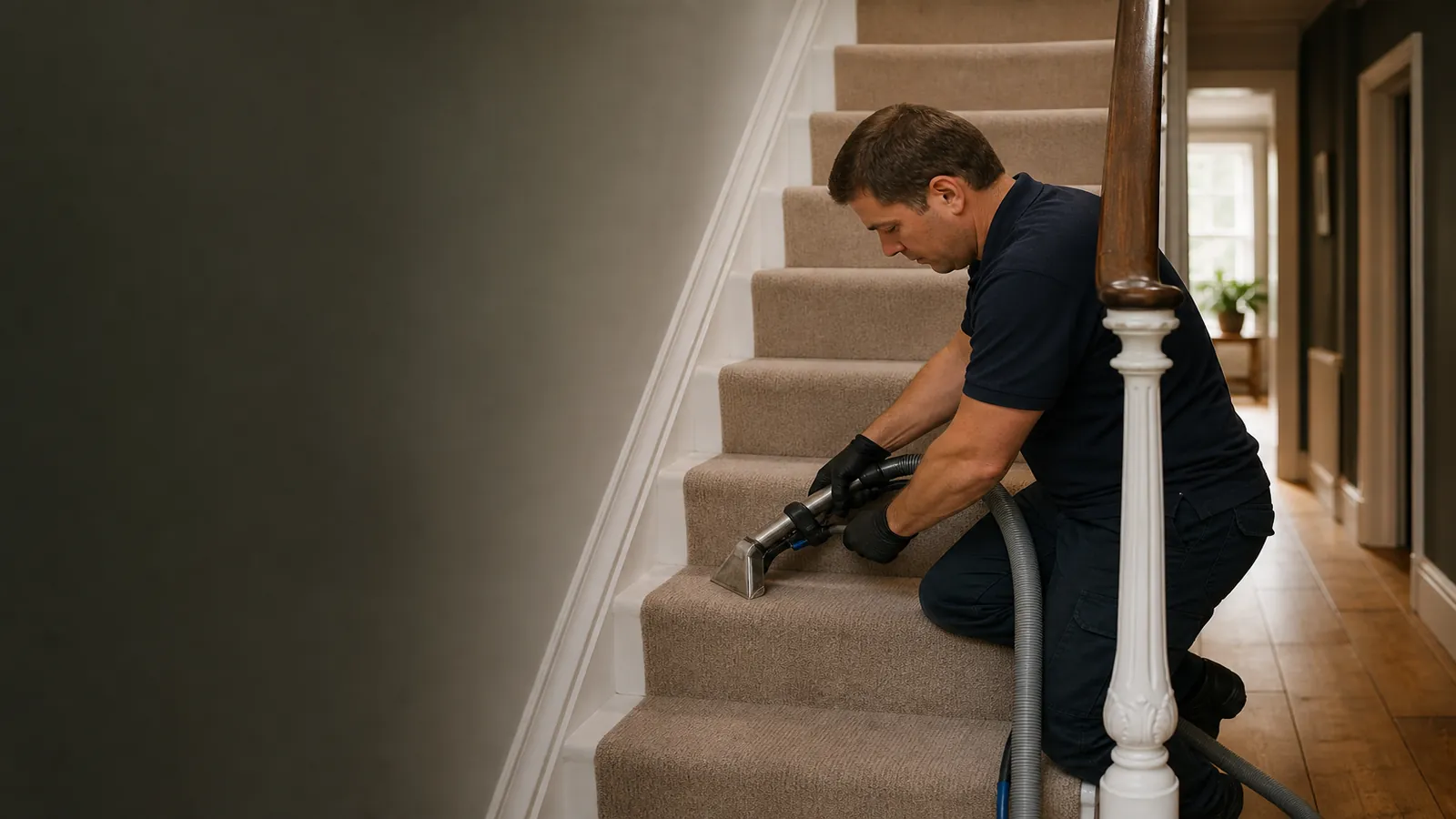
Family life rarely wears a carpet evenly. The route from an outside door, the space around a sofa, a child’s play area and a pet’s preferred resting place can each show a different combination of debris, marks and flattened pile. For a Globe Town carpet-cleaning brief, it helps to describe those patterns rather than calling every room heavily soiled. The technician can then distinguish where dry grit is concentrated, where a local spill deserves attention and where appearance is mainly physical wear.
Children and animals do not automatically require a special branded treatment. The important questions concern the actual carpet, the substance present and the way the space must be used afterwards. An unknown odour needs a source discussion; a food spill needs a history; fine outdoor particles need thorough vacuuming. Applying an aggressive product to the whole floor simply because a pet lives in the property is neither precise nor necessarily useful.
Preparation includes a household plan. Toys, feeding items, pet bedding and small furniture should be moved by the occupier. Animals need a secure room away from open doors, hoses and damp carpet. Children should not use the work area as the technician moves equipment. These arrangements protect the household and allow the cleaner to follow a consistent route instead of repeatedly stopping to clear objects.
A carpet visit may form part of regular domestic cleaning, yet the two routines operate at different depths and intervals. Everyday vacuuming and prompt spill response support the carpet between professional appointments. General surface products should not be sprayed onto textile areas, and a professional clean should not be treated as a replacement for ongoing dry-soil removal.
The handover returns the rooms to real use gradually. The customer is told how to ventilate, which routes to keep quiet and when pet beds, rugs or furniture may be replaced. Freshly cleaned pile can pick up debris quickly while damp, so outdoor paws and shoes should stay away. A sensible plan recognises that the property cannot become a showroom; it simply protects the finish during the vulnerable drying period.
SERVICE TEAMS / THE AGREED WORK
Four parts of a useful spill history

The original substance
Food and drink contain different mixtures of water, colour, oil, protein and sugar. Identifying the likely material guides testing. An unknown mark remains an uncertainty, not an invitation to use the strongest product.

The time before blotting
Fresh free liquid behaves differently from dried residue. Record how quickly the area was addressed and whether heat was involved. Timing helps explain why an apparently small incident may have travelled deeper.

The home-cleaning attempt
Name the detergent, disinfectant, stain remover or improvised mixture used. Residue and dye change can come from the response as well as the spill. This history prevents accidental product layering.

The surrounding traffic
Chair movement and footwear can spread residue and add dry soil. The technician assesses beyond the centre, then integrates local treatment into the full room process.
Dining chairs with fabric seats can be discussed through upholstery cleaning. Their fabric, filling and construction receive separate tests from the carpet below.
Blends complicate visual identification
Two fibres can be combined within a pile or construction. A surface that resembles wool or synthetic carpet may not behave uniformly. This is one reason method decisions rely on evidence and response rather than appearance alone.
Previous cleaning changes present behaviour
Residue, repeated wetting and colour alteration can affect how an otherwise known fibre responds. Tell the technician what happened; current condition matters as much as original specification.
A cautious stop is a professional outcome
If a test shows colour movement or another unacceptable change, refusing the requested procedure protects the textile. The cleaner should explain the observation and any safer alternative rather than hiding the decision.
General room care remains straightforward
Between visits, suitable vacuuming and careful spill response support the carpet regardless of uncertain fibre. A domestic cleaning routine should keep hard-surface sprays away from textile edges.
PRICING / CLEAR STARTING POINTS
List the room, furniture and spill priorities together
A quotation should include room dimensions, stairs if relevant, large furniture that remains and the number and history of priority marks. Dining areas can require deliberate work around table boundaries and chair routes even when the overall floor is modest. General guidance appears under cleaning prices, while the confirmed scope should state whether routine spot attention and furniture assumptions are included. A photograph can show position but not reveal sugar, fat, dye or previous detergent. Avoid accepting a price based on guaranteed stain removal from an image. Professional value lies in assessment, preparation and knowing when further chemical action risks colour or texture.
01
Single room
From £15 / room
Compact bedroom or study
02
Double room
From £15 / room
Standard double bedroom
03
Lounge
From £15 / room
Living room with clear equipment access
04
Stairs
Quotation
Standard flight, subject to construction
05
Hallway
Quotation
Reachable hall or landing
06
Whole property
Quotation
Measured rooms and fibre types
Prices are guide prices.
Final quotation depends on the property, condition and requirements.
PROCESS / FOUR DECISIONS
Move from known facts to the safest supported action
01
Gather labels and history
The customer shares available information and previous product use. Missing facts are recorded plainly rather than inferred from colour or price.
02
Inspect condition before testing
Wear, fitting, marks and vulnerable points guide which questions matter. Testing is targeted to those decisions.
03
Begin conservatively and observe
Dry debris is removed, then a suitable method proceeds with attention to colour, texture and recovery. The technique changes if the carpet gives a reason.
04
Explain without over-diagnosing
The customer reviews the finish and receives a straightforward account of what was done, what remained and how the carpet behaved.
VISIT / HANDOVER
Bring evidence if it exists; do not create a fibre story
Look for labels at accessible edges or in installation documents without pulling up fitted carpet. Keep records of previous cleaning and spot products. Clear small belongings and mention repaired sections or rooms installed at another time. Avoid last-minute chemicals that could change colour response. If the carpet has loose seams or damage, point them out before equipment is prepared.
SCOPE / CONFIRM BEFORE BOOKING
What a dining-area carpet clean provides
Included in this brief
- Spill chronology: review of likely substance, timing, temperature and products or techniques already used.
- Whole-area preparation: vacuuming of accessible carpet around furniture boundaries, chair routes and room edges.
- Tested local work: proportionate treatment selected after fibre, colour and mark assessment.
- Room handover: review of residual damage, drying, furniture placement and a safer response to future spills.
Outside this cleaning brief
- No guarantee is made for old food dye, bleaching, heat damage, worn pile or marks changed by several unknown products.
- Dismantling or moving unsafe dining furniture is not assumed; accessible carpet depends on the agreed room setup.
- Carpet cleaning does not include pest treatment or remediation of contamination that extends into inaccessible structural layers.

PREPARATION / BEFORE THE VISIT
Prepare the Globe Town address without pre-cleaning it.
- Confirm the entrance and any requirement involving narrow residential or village roads.
- List the rooms or items covered by carpet cleaning.
- Point out sensitive finishes, pets, alarms and anything that must not be moved.
- Agree the key return, completion contact and any building time restriction.
MAP / COVERAGE CONTEXT
Route planning for carpet cleaning in Globe Town.
Coverage context for Globe Town. This map does not represent a staffed local office.
RELATED SERVICES / SAME AREA
Related services in Globe Town
NEARBY AREAS / SAME SERVICE
Carpet Cleaning near Globe Town
No. Share reliable information if available and state uncertainty. The technician inspects and tests where useful before finalising the method.
Unknown-carpet questions for Globe Town
Must I know the fibre before booking?
It may show texture and condition but rarely proves composition, backing or dye stability. It supports the enquiry rather than replacing inspection.
Can a photograph identify the carpet?
No test removes every uncertainty. It provides evidence at a small point and helps the cleaner choose or reject a procedure.
Does testing guarantee no damage?
Not necessarily. A supported gentler process can still achieve useful cleaning. The priority is improvement without taking an unjustified risk.
Will caution mean the carpet stays dirty?
No. The map describes service coverage; it does not identify a staffed local branch.
Book an inspection-led clean without pretending certainty
For carpet cleaning in Globe Town, send the room list, condition, marks and any reliable installation or product history. If fibre is unknown, say so. The service can test where it informs a decision, adapt the method to observed behaviour and explain the result without inventing a material claim.