
Addiscombe / CR0
Carpet Cleaning Addiscombe: Start with the Condition, Not the Machine
- A room-by-room brief before equipment is set up
- Separate plans for loose grit, spills and worn pile
- Measured moisture with a practical drying handover
- Straight answers where cleaning cannot reverse damage
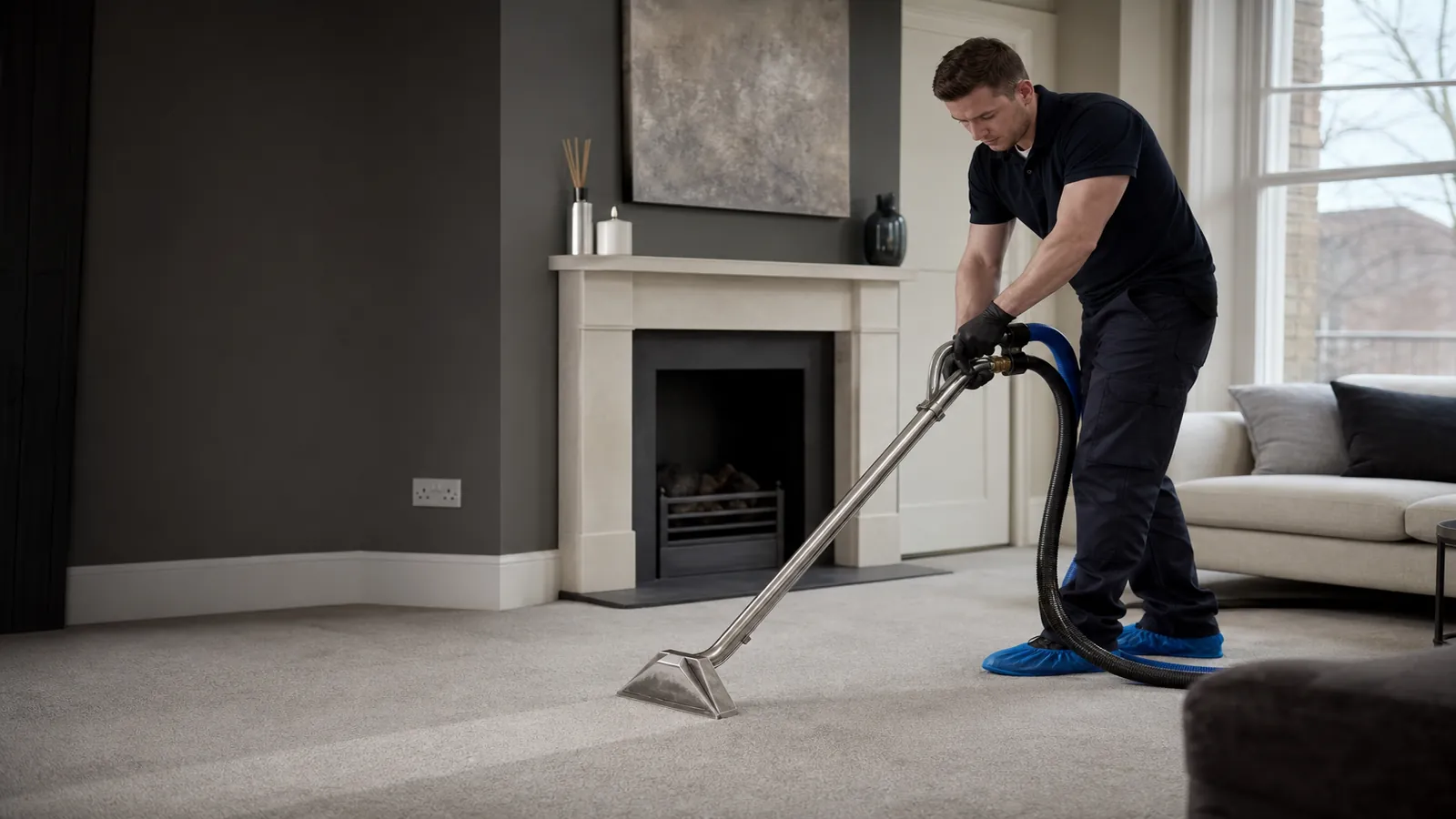
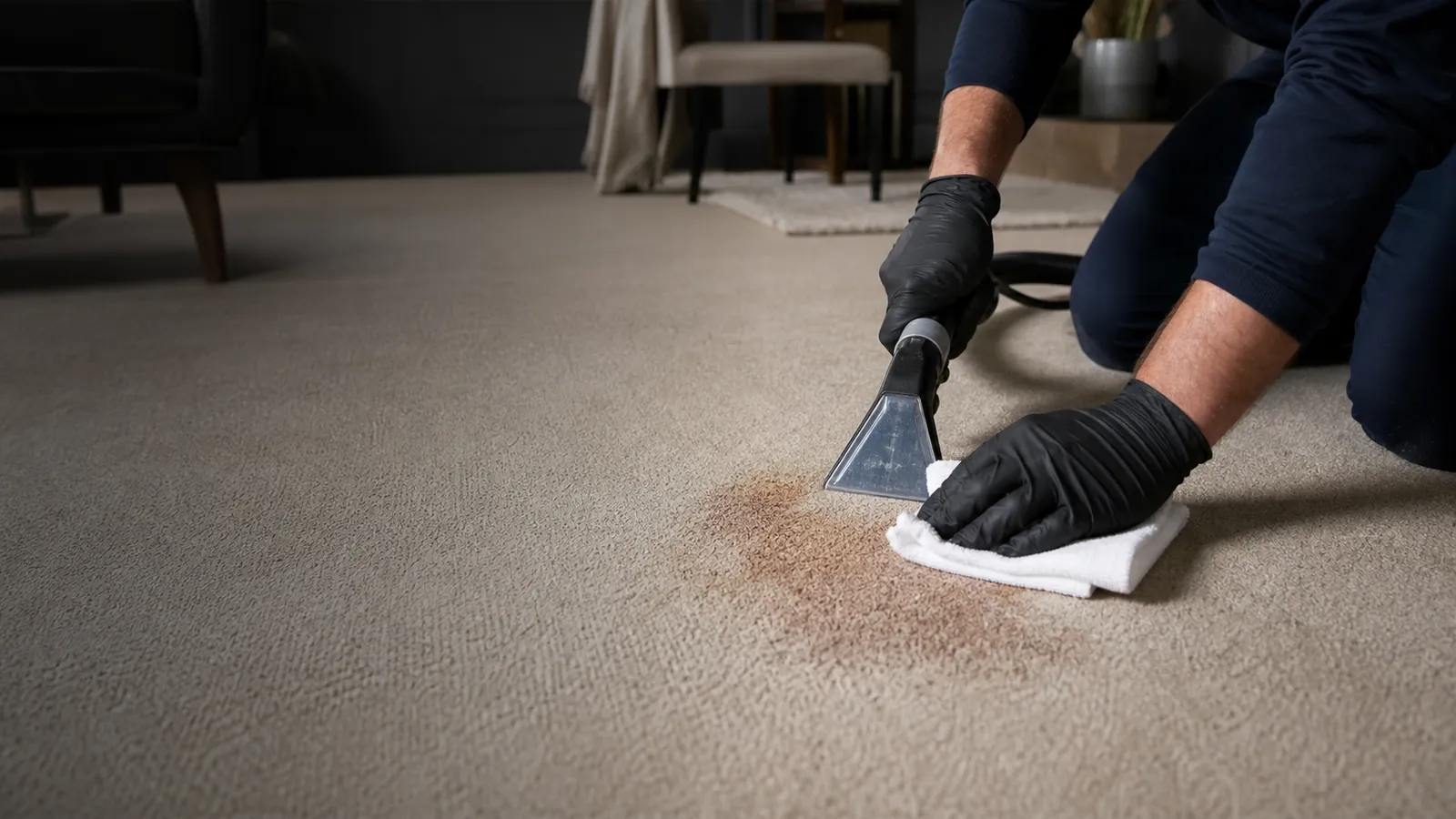
The carpet tells us what sort of appointment it needs
Carpet cleaning is easier to plan when the conversation begins with condition rather than a list of machines. A dull route across a sitting room may be carrying dry grit, but a darker patch beside a favourite chair could also be flattened pile. A pale mark near a window may be colour loss rather than soil. Those distinctions matter because adding more solution is not an answer to wear, fading or fibre damage. For an Addiscombe booking, we first establish which rooms are included, how they are used and what has changed since the carpet last looked satisfactory.
The initial walkthrough turns a vague request for a ‘deep clean’ into a workable brief. We note doorways, edges, stairs, furniture positions and any isolated marks the customer wants discussed. The aim is not to attach a dramatic label to every imperfection. It is to decide which problems are likely to improve through vacuuming, controlled pre-treatment and an appropriate cleaning method, and which should be recorded as limitations before work starts.
Carpets that look similar can behave differently. Fibre content, construction, colour response, backing, fitting and previous products all influence the sensible approach. Where uncertainty remains, an unobtrusive test is more useful than confidence based on appearance alone. A test may lead to a gentler method, a change in spot treatment or a decision not to pursue a mark that carries an avoidable risk. That caution is part of professional carpet care, not an excuse to do less.
Some households arrange carpet work alongside domestic cleaning. The two services can share a timetable, although their scopes should remain distinct. General room cleaning deals with surfaces and household dust; carpet care needs its own inspection, preparation, solution choice and drying guidance. Keeping those responsibilities clear prevents a broad cleaning checklist from obscuring a textile-specific concern.
A useful result is judged across the whole room. Concentrating only on the most obvious spot can leave traffic routes, edges and the space beneath movable items looking inconsistent. We therefore plan an order for the booked area and review the finish from normal viewing positions. The closing conversation covers what changed, what did not, and how the carpet should be used while it dries.
PROCESS / FOUR DECISIONS
From first description to final walkthrough
01
Define the rooms and priorities
The customer identifies every carpeted area, stairs or landing to be included and describes notable spills, odours, loose fitting or previous treatment. Access and furniture arrangements are clarified before arrival.
02
Inspect before applying product
The cleaner examines construction, visible condition, colour response and vulnerable points. Tests are used where they add useful evidence. The planned technique is adjusted if the carpet does not support the original assumption.
03
Prepare and clean systematically
Loose grit is removed first. Appropriate pre-treatment is confined to relevant areas and given useful contact time. Cleaning then proceeds in a consistent order, with recovery and moisture considered throughout rather than only at the end.
04
Review, explain and hand over
The booked rooms are checked from more than one angle. Remaining wear, staining or damage is pointed out plainly. The customer receives guidance on ventilation, foot traffic, replacing furniture and responding to future spills.
VISIT / HANDOVER
A little preparation makes the visit easier to manage


Remove small objects, cables, toys, fragile possessions and anything valuable from the working route. Vacuuming beforehand is welcome but does not replace professional preparation. Make a note of unknown products used on a stain, and avoid adding another mixture immediately before the appointment. If entry, parking or shared access needs explanation, include it with the booking details rather than leaving it to be solved while equipment is being carried in.
When a mark is actually wear
Pile that has been repeatedly compressed can reflect light differently and resemble a dirty patch. The colour may look better after debris is removed, but the texture can remain altered. Examining the area from several directions helps prevent aggressive spotting of a problem that is physical rather than soluble.
Why repeated DIY products matter
Previous sprays may leave sticky residue, move colour or make later treatment less predictable. Tell the cleaner what was applied, even if it appeared to do nothing. That history can influence testing and may explain why a patch attracts soil more quickly than the surrounding carpet.
What to do with a fresh spill
Blot carefully with a clean, colourfast cloth and work from the outside towards the centre. Do not scrub the pile or flood the backing. Avoid combining household chemicals. Record the substance and the steps already taken so that any later professional advice starts with accurate information.
How maintenance fits a wider reset
Carpet care may be one part of a larger domestic cleaning plan. Sequence matters: dusty overhead or room work should not deposit fresh debris on a newly cleaned floor. Discuss the complete brief so that separate services can be ordered sensibly while retaining their individual checks.
SERVICE TEAMS / THE AGREED WORK
Four decisions that shape the finish

Read traffic lanes in context
The route between a doorway and seating area often contains both loose debris and compressed pile. Vacuuming may remove abrasive particles, while cleaning can improve colour clarity; neither step can make physically worn fibres stand as new. Recording that distinction sets a fair expectation before the lane is treated.

Give spots their own diagnosis
A drink spill, oily residue and an unknown pale patch should not receive the same response. We consider what caused the mark, how long it has been present and what has already been applied. The answer may be a targeted procedure, a cautious test or a recommendation to leave an unstable area alone.

Plan the room, not only the stain
Preparation and cleaning follow a route through the accessible carpet so that attention is not confined to the centre. Edges, transitions and furniture boundaries are considered in the agreed scope. This creates a more coherent appearance when the room is viewed as it is normally used.

Leave a realistic drying plan
Drying depends on ventilation, indoor conditions, carpet density and the amount of work required. We manage liquid use and explain how to support airflow safely. A cool surface can still hold moisture, so normal heavy use should wait until the carpet is genuinely dry.
If another textile also needs attention, the upholstery cleaning service has a separate fabric assessment. Coordinated scheduling does not remove the need to check each material on its own merits.
PRICING / CLEAR STARTING POINTS
Why the quote follows the brief
A carpet quotation needs more than a bedroom count. The number and approximate size of carpeted rooms, stairs, landings, fibre information if known, current condition, priority spots, furniture constraints and access all affect the amount of work. A clear enquiry lists every area that should be included and mentions anything that could alter preparation or treatment. General context is available on the cleaning prices page, but the confirmed figure should describe this booking rather than rely on an attention-grabbing starting price. Photographs can help explain a spill or room layout, yet they cannot always establish fibre type, dye stability or whether a dark patch is wear. If inspection changes a material assumption, the technician should explain the implication before extending the scope. Value comes from preparation, careful decisions and an even finish—not from repeatedly wetting a stubborn mark to create the appearance of extra effort.
01
Single room
From £15 / room
Compact bedroom or study
02
Double room
From £15 / room
Standard double bedroom
03
Lounge
From £15 / room
Living room with clear equipment access
04
Stairs
Quotation
Standard flight, subject to construction
05
Hallway
Quotation
Reachable hall or landing
06
Whole property
Quotation
Measured rooms and fibre types
Prices are guide prices.
Final quotation depends on the property, condition and requirements.
SCOPE / CONFIRM BEFORE BOOKING
What a condition-led carpet appointment includes
Included in this brief
- Survey and brief: confirmation of the booked rooms, stairs and landings, priority marks, access constraints and observable risks before treatment begins.
- Dry preparation: deliberate vacuuming of accessible carpet, with attention to entrance routes, edges and places where loose grit is likely to collect.
- Suitable cleaning: proportionate pre-treatment and a method selected after inspection, with moisture and repeated passes kept under control.
- Handover: a review of the treated areas, remaining limitations, ventilation options and practical care until the carpet is properly dry.
Outside this cleaning brief
- Cleaning cannot rebuild worn pile, restore bleached dye, mend loose seams or reverse permanent fibre damage. These conditions are identified rather than disguised as removable staining.
- Moving unusually heavy, fragile or unsafe furniture is not assumed. Small and valuable items should be cleared, while larger pieces are discussed when the booking is scoped.
- Flood restoration, pest treatment, carpet repair and re-stretching require different expertise. A routine cleaning visit is not presented as a substitute for those services.
PREPARATION / BEFORE THE VISIT
Prepare the Addiscombe address without pre-cleaning it.
- Confirm the entrance and any requirement involving street-specific parking controls.
- List the rooms or items covered by carpet cleaning.
- Point out sensitive finishes, pets, alarms and anything that must not be moved.
- Agree the key return, completion contact and any building time restriction.
MAP / COVERAGE CONTEXT
Route planning for carpet cleaning in Addiscombe.
Coverage context for Addiscombe. This map does not represent a staffed local office.
RELATED SERVICES / SAME AREA
Related services in Addiscombe
NEARBY AREAS / SAME SERVICE
Carpet Cleaning near Addiscombe
No responsible cleaner can guarantee that without knowing the fibre, substance, age, prior products and whether colour or texture has been permanently changed. Suitable treatment can be attempted after assessment, with the likely limitations explained first.
Questions to settle before an Addiscombe carpet booking
Can you guarantee that an old stain will disappear?
There is no universal drying time. Method, pile, ventilation, temperature, humidity and treatment level all contribute. Follow the handover advice and avoid heavy traffic or replacing items that may transfer colour until the carpet is dry.
How long should the rooms stay out of use?
Small, fragile and valuable belongings should be removed. Larger furniture depends on safety, access and the agreed scope. Describe the room contents when requesting the quote so that the accessible area is understood.
Does all furniture have to leave the room?
Yes. Removing loose grit before it becomes embedded protects the appearance of traffic routes. Vacuum according to use rather than waiting for visible dirt, and deal with spills promptly without experimenting with several chemicals.
Is regular vacuuming still necessary after professional cleaning?
No. The map describes service coverage; it does not identify a staffed local branch.
Describe the carpet rather than guessing the solution
For a carpet-cleaning quote in Addiscombe, list the rooms, stairs and landings, explain the marks that concern you and mention furniture or access constraints. Those details allow the appointment to be planned around the carpet in front of us. You will receive a defined scope, an inspection-led method and honest guidance where cleaning has a limit.