
Islington / N1, N7, N5
Carpet Cleaning Islington: Care Planned from the Textile Outwards
- Reachable carpet agreed before quotation
- Heavy, fragile and wired items left to a safe plan
- Open areas and furniture edges blended consistently
- Related fabrics assessed as separate textiles
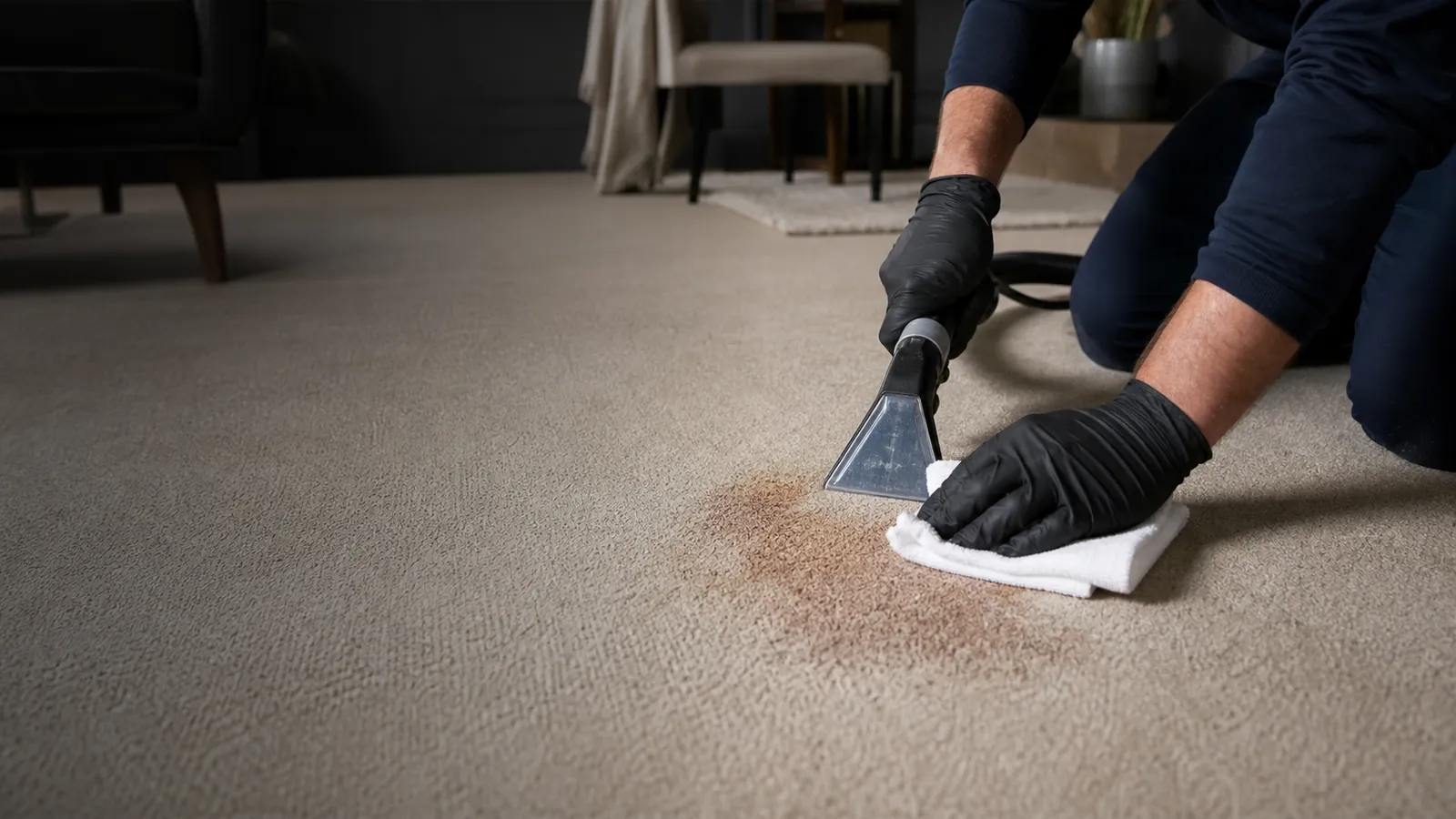
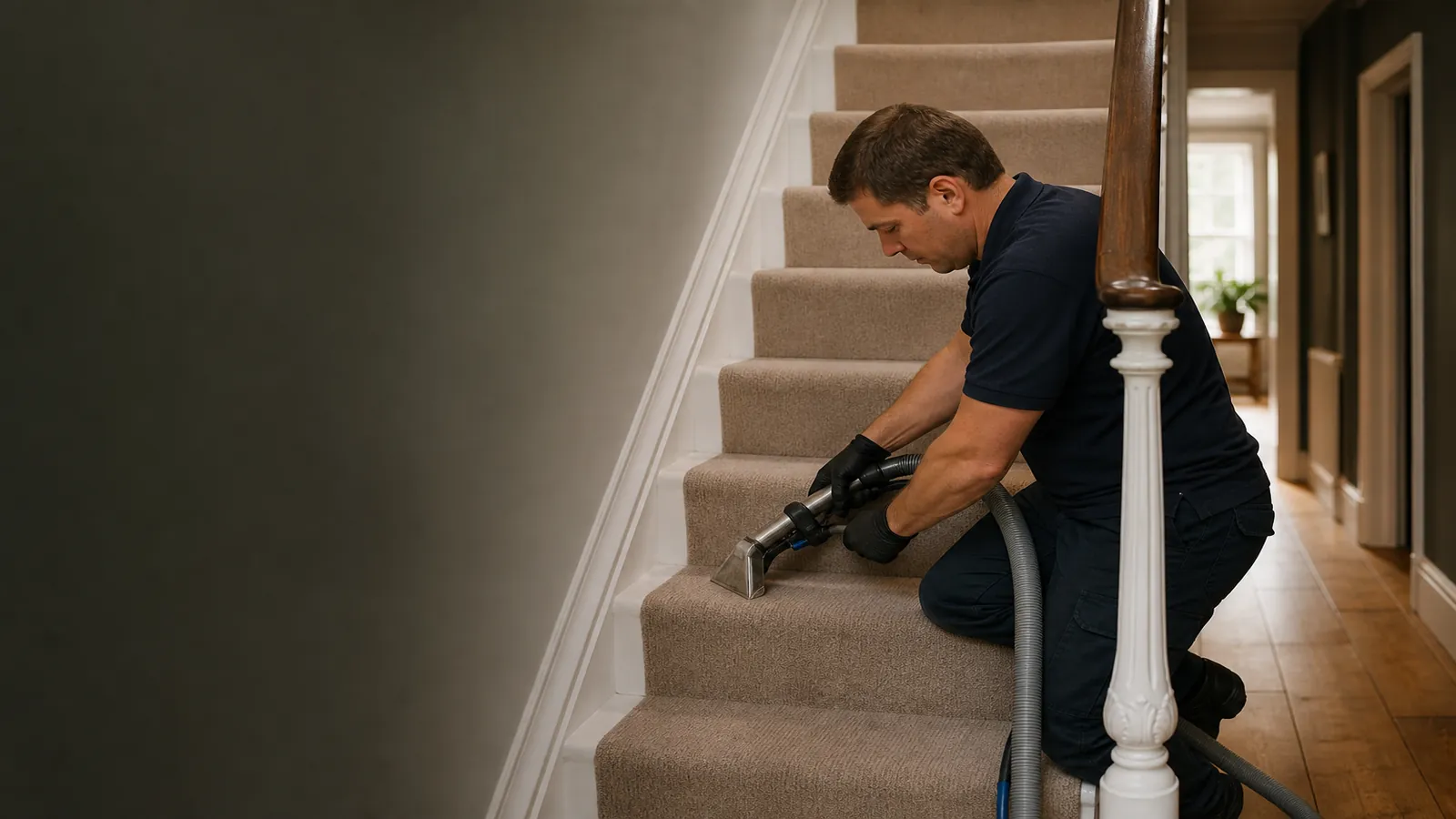
Carpet cleaning in Islington with fibre and access details checked
Carpet cleaning in Islington needs to account for Georgian conversions, mansion blocks and newer apartments. Fibre type, pile construction, previous treatments and the backing beneath the carpet determine which method is appropriate; visible colour alone is not enough to choose chemistry or moisture levels.
A useful inspection separates general soil from individual stains, flattened traffic lanes and permanent fibre damage. Entrance routes, family rooms, pets and rented bedrooms often need different pre-treatment. Professional carpet cleaning should therefore begin with testing, careful vacuuming and realistic expectations for older marks.
Locally, Upper Street traffic, resident bays and concierge access can affect how extraction equipment reaches the property. Confirm parking, floor level, water access and furniture movement before arrival. Ventilation and pile depth also influence drying, so rooms should not be put back into heavy use immediately after treatment.
Where sofas or dining chairs show related wear, coordinated upholstery care may be practical, but only after the fabric has been assessed separately. Tenants should allow enough drying time before checkout photographs or an inventory inspection.
Identify pile, backing and previous treatments.
Separate removable soil from permanent damage.
Confirm parking, stairs, lifts and water supply.
Allow airflow before furniture and heavy use.
SERVICE TEAMS / THE AGREED WORK
Signals that guide the next maintenance decision

Vacuuming no longer restores clarity
When careful dry care leaves an even grey cast, bonded soil may have accumulated. The floor is assessed before assuming stronger household product or immediate full-property extraction.

One route changes faster than the rooms
Entrance and corridor use can justify a targeted discussion. The cleaner considers blending and textile continuity so partial work does not leave a sharp visual boundary.

A recurring sticky patch
The history may involve spill residue or earlier cleaning product. It receives testing and a separate record, preventing the whole maintenance interval from being determined by one local problem.

Permanent wear used as a false alarm
An abraded strip can remain dull even when clean. Documenting it at baseline stops repeated unnecessary treatment being triggered by a colour that soil removal cannot change.
Evidence-based frequency requires ordinary notes, not complex monitoring. A dated photograph in comparable light, a record of major spills and attention to how the pile responds to vacuuming are enough to make the next conversation more useful. Household changes such as rearranged furniture, a new entrance route or different occupancy can reset the pattern. The interval is reconsidered rather than defended because it appeared on an old reminder.
Drying begins with decisions made before extraction
Customers often ask when a carpet will be ready before describing the floor. A useful answer needs fibre, pile depth, backing, room temperature, ventilation and the intensity of treatment. Our Islington editorial angle is therefore return-to-use planning: understand when each room is needed, then design a responsible sequence without inventing a universal drying guarantee.
The plan may prioritise one bedroom, divide a larger area into workable zones or leave a route available where the property allows it. These are choices made from the customer’s actual layout, not claims about Islington buildings. Furniture position and safe equipment access remain part of the discussion because they determine which sections can be completed without creating new obstacles.
Moisture control does not mean under-cleaning. Thorough vacuuming reduces the dry load, suitable pre-treatment loosens bonded matter, and measured agitation helps chemistry work before the rinse. Extraction then uses enough solution to carry released soil away while repeated recovery strokes remove what the pile no longer needs to hold.
Ventilation is considered sensibly. Opening windows may help where safe and appropriate; heating, airflow and seasonal conditions also matter. We do not prescribe one action remotely or tell occupants to compromise security. The technician reviews the available options and explains how to support drying after the equipment has been removed.
If a property-wide service is being coordinated, end of tenancy cleaning should be ordered so other work does not cross damp carpet. Separate scopes keep responsibility clear. The final handover states which sections were treated, what lasting marks remain and how use can resume without undoing the clean.
SERVICE SCOPE / READ BEFORE BOOKING
What a stair-aware Islington service includes
Included in this brief
- A count and condition review of rooms, landings and carpeted steps
- Detailed vacuum work along corners, edges, treads and transitions
- Controlled pre-treatment and extraction suited to the installed carpet
- Final viewing from multiple directions with drying and access advice
Outside this cleaning brief
- Refixing loose carpet, repairing nosings or replacing damaged underlay
- A promise that abrasion on the leading edge will disappear
- Cleaning unlisted runners, rugs or fabric furnishings

PRICING / CLEAR STARTING POINTS
A quotation built from the actual floor, not the postcode
The room count, dimensions, stairs, carpet construction, soil level, individual marks and access information all help define the work. Current published guidance is available on the cleaning prices page; no figure is invented simply because the enquiry carries an Islington address.
01
Single room
From £15 / room
Compact bedroom or study
02
Double room
From £15 / room
Standard double bedroom
03
Lounge
From £15 / room
Living room with clear equipment access
04
Stairs
Quotation
Standard flight, subject to construction
05
Hallway
Quotation
Reachable hall or landing
06
Whole property
Quotation
Measured rooms and fibre types
Prices are guide prices.
Final quotation depends on the property, condition and requirements.
Commercial language does not change fibre physics
A deadline or business use cannot make solution evaporate on command. Construction, treatment and ventilation still determine drying. The service can plan carefully without representing operational pressure as a textile method.
Chair marks may combine soil and distortion
Castors and repeated turning can flatten pile and deposit residue. Cleaning removes what is recoverable, while dents or abrasion may remain. Furniture protection and safe repositioning are discussed at handover.
Office furniture is not automatically movable
Desks, cabinets and equipment require clearance, safe weight and an available holding area. The cleaner does not disconnect devices or move loaded storage simply to expand an estimated floor measurement.
Fabric seating needs its own incident log
A spill that crosses from chair to floor involves two constructions. Request upholstery cleaning so fabric response and cushion depth are assessed independently.
PROCESS / FOUR DECISIONS
How targeted treatment fits into the main clean
01
Interview the mark
The operative records location, age, likely substance, household treatments and any movement since the event. Surrounding wear and colour variation are examined so the spot is not judged in isolation.
02
Prepare the wider carpet
Vacuuming removes loose particulate matter from the whole agreed area. General pre-treatment is selected for the floor’s overall soil and fibre, providing an even baseline before exceptional marks receive focused attention.
03
Make controlled spot attempts
A compatible agent is applied precisely and given appropriate contact. Movement is observed, transfer is managed and extraction follows. Another approach is considered only when the likely benefit remains proportionate to material risk.
04
Record what the clean reveals
After rinsing and grooming, the carpet is viewed from different directions. The handover distinguishes remaining contamination from bleaching, shading or damage and explains drying precautions without hiding the limitation.
VISIT / HANDOVER
Send photographs that do not rely on one angle

Photograph notable areas from the doorway and the opposite side in ordinary light. Avoid applying a new spot product. Clear portable belongings and describe furniture that covers comparison areas. If end of tenancy cleaning is planned, protect the finished pile from later traffic.
MAP / COVERAGE CONTEXT
Plan the route into the Islington property.
Coverage context for Islington. This map does not represent a staffed local office.
EXPLORE / NEXT
Related services in Islington
EXPLORE / NEXT
Nearby areas for carpet cleaning
Images can record prominent marks, joins and colour variation before grooming changes the view. They support a shared account but do not replace inspection or prove the cause of every discolouration.
Islington questions about condition records
Why photograph a carpet before cleaning?
Only when safe handling, permission and suitable space are established. Valuable or fragile items are not moved casually; inaccessible carpet is stated openly in the agreed scope.
Will you move delicate furniture to clean beneath it?
Cleaning can remove soil but cannot return missing dye. A border is tested and treated within safe limits, while re-dyeing or textile restoration requires a different specialist service.
Can a faded border be restored during cleaning?
It may be coordinated if declared, but the bed needs its own inspection and drying plan. See mattress cleaning rather than treating it as an extension of the floor.
Can you clean a mattress in the same visit?
No. It describes service coverage and practical local context, not a staffed branch.
Plan an Islington clean with the next month in mind
Tell us how the rooms are used, when they were last treated, which products have touched any marks and whether the pile currently feels sticky or stiff. Add measurements, stair details and access information. We can then discuss a service designed to remove recoverable soil cleanly and leave a manageable maintenance baseline. Note any area that re-soils unusually quickly, as its position and treatment history may reveal a different maintenance concern from general footfall.