
Clapham / SW4
Carpet Cleaning Clapham: A Practical Plan Built Around Condition
- Spills discussed by history, not guessed from colour
- General soil and isolated spots prepared independently
- Escalation stopped when textile risk overtakes likely gain
- Remaining damage documented in a clear handover
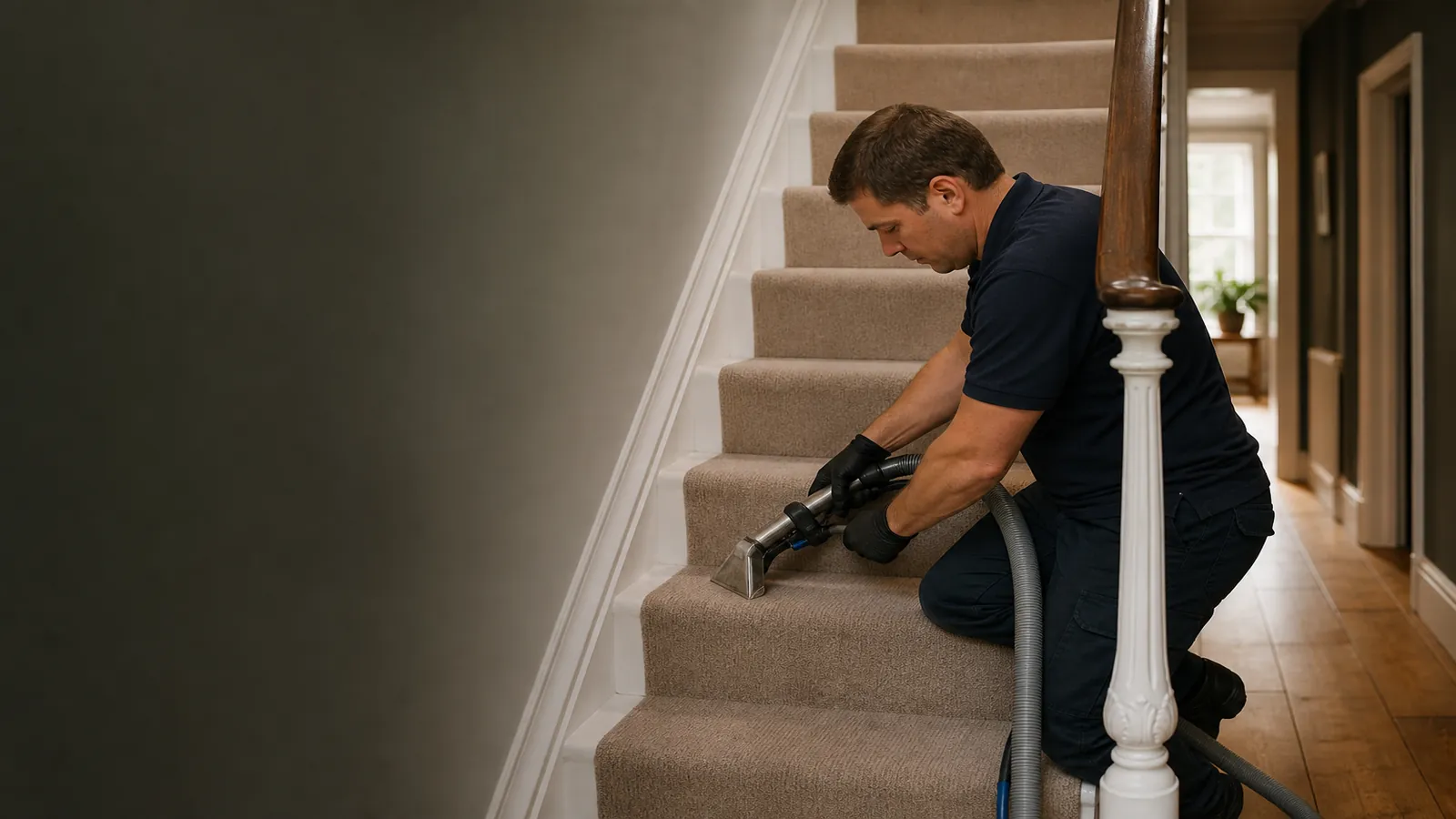
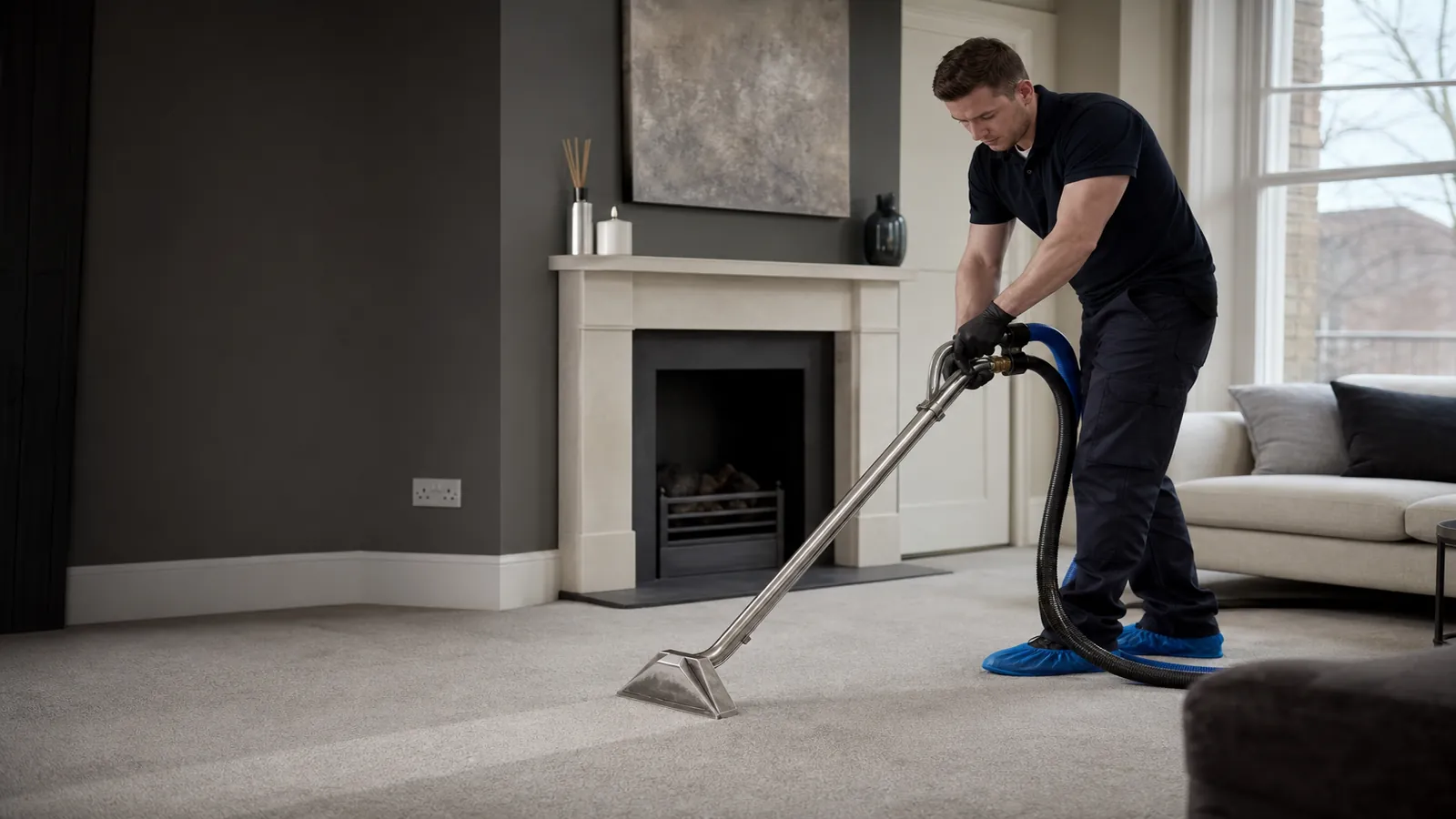
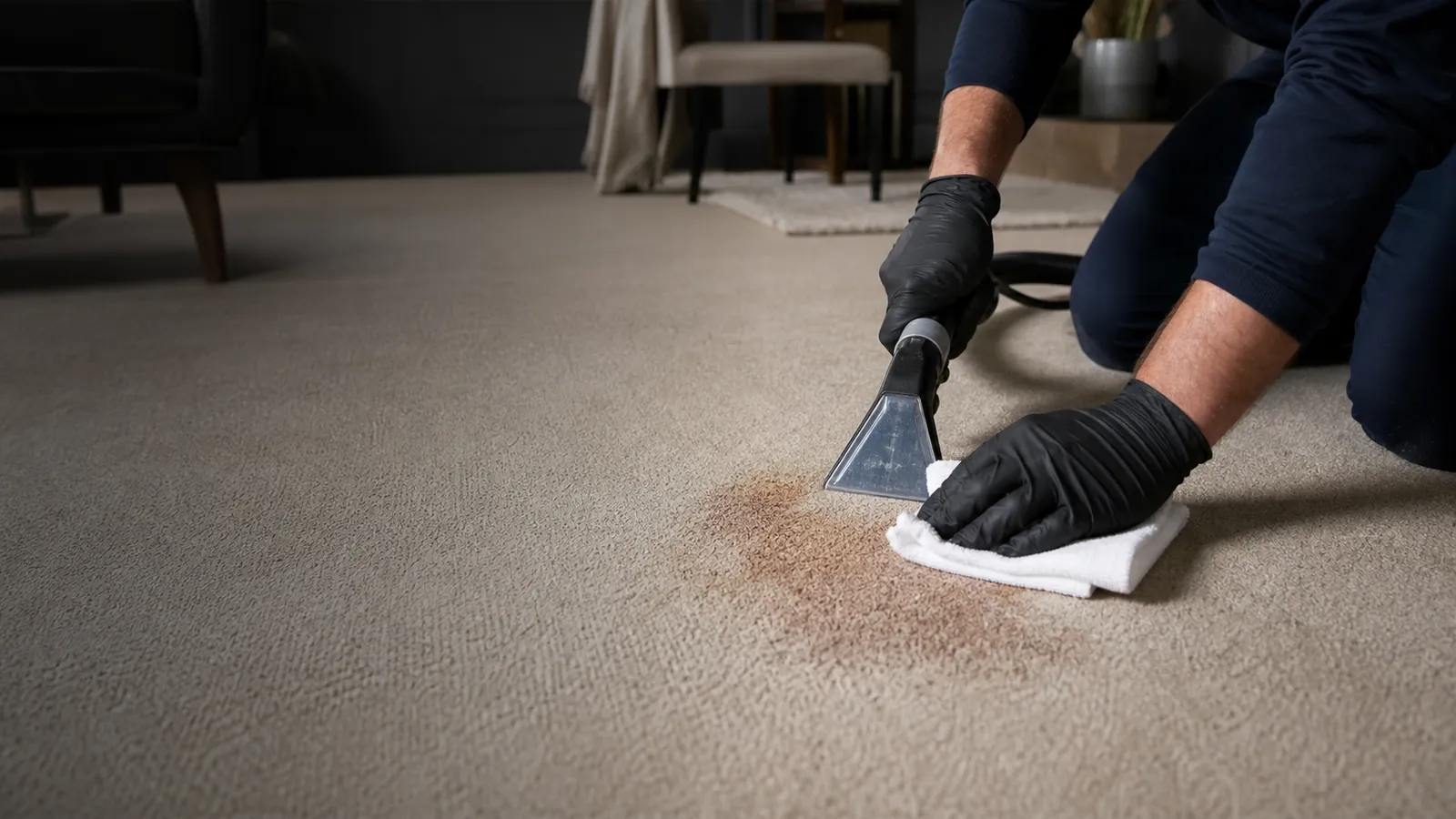
Carpet cleaning in Clapham with fibre and access details checked
Carpet cleaning in Clapham needs to account for Victorian terraces, mansion blocks and modern flats. Fibre type, pile construction, previous treatments and the backing beneath the carpet determine which method is appropriate; visible colour alone is not enough to choose chemistry or moisture levels.
A useful inspection separates general soil from individual stains, flattened traffic lanes and permanent fibre damage. Entrance routes, family rooms, pets and rented bedrooms often need different pre-treatment. Professional carpet cleaning should therefore begin with testing, careful vacuuming and realistic expectations for older marks.
Locally, controlled parking around the Common and narrow shared stairs can affect how extraction equipment reaches the property. Confirm parking, floor level, water access and furniture movement before arrival. Ventilation and pile depth also influence drying, so rooms should not be put back into heavy use immediately after treatment.
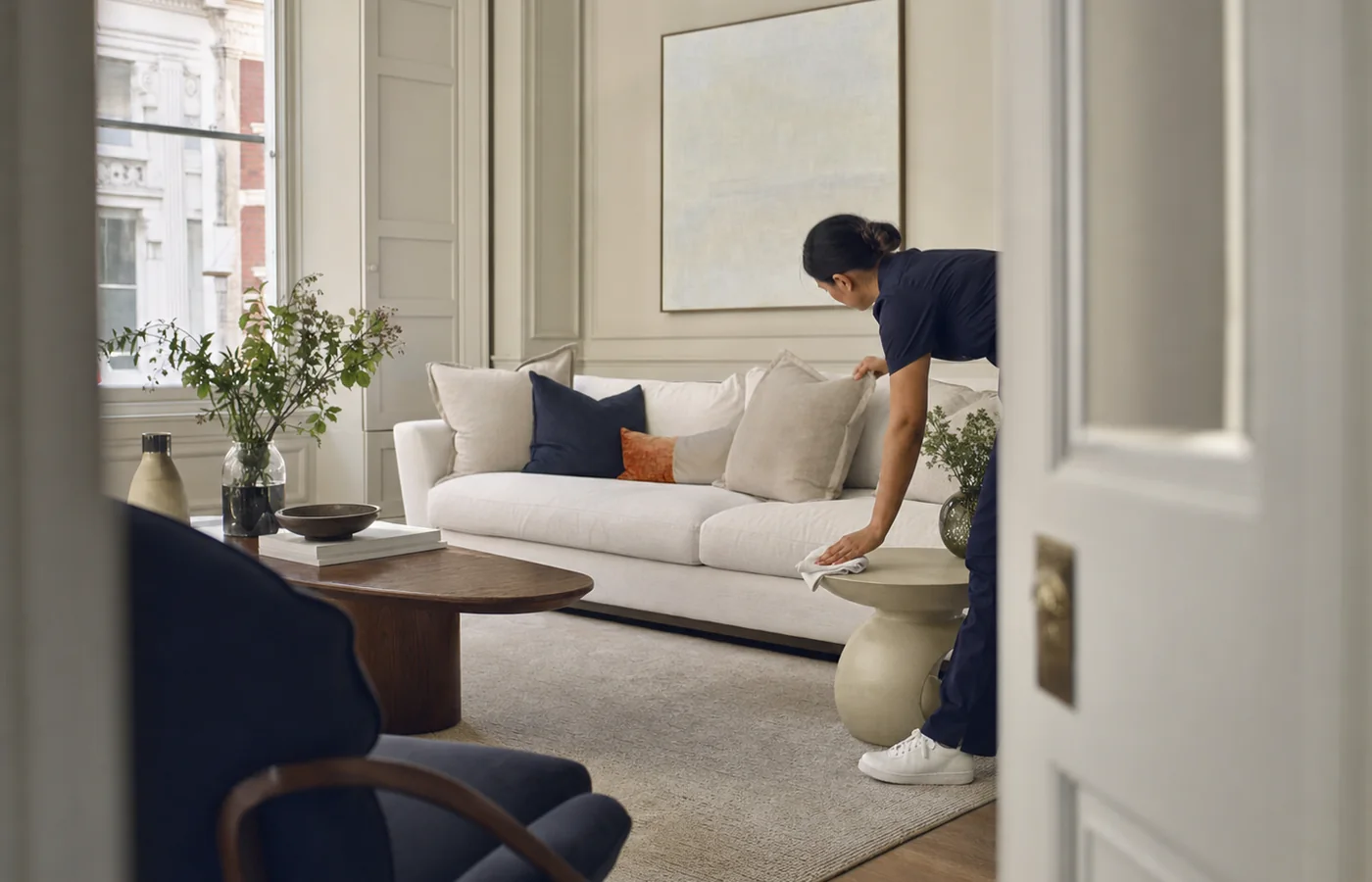
Where sofas or dining chairs show related wear, coordinated upholstery care may be practical, but only after the fabric has been assessed separately. Tenants should allow enough drying time before checkout photographs or an inventory inspection.
Identify pile, backing and previous treatments.
Separate removable soil from permanent damage.
Confirm parking, stairs, lifts and water supply.
Allow airflow before furniture and heavy use.
Carpet colour is partly a conversation between fibre and light
A carpet can look darker when viewed towards the pile and lighter from the opposite side. Foot traffic, vacuum direction and grooming alter that effect, sometimes creating a band that resembles incomplete cleaning. The Clapham page centres on visual interpretation: assess soil thoroughly, but do not sell repeated treatment for an optical change that follows pile direction.
The pre-clean survey uses several viewpoints. The operative brushes a small area, compares carpet beneath furniture and notes where sunlight or regular movement may have changed colour and texture. A mark that remains fixed while the surrounding pile shifts is treated differently from a shadow that reverses as the viewer moves.
This does not minimise actual contamination. Dry grit, sticky films and spills still require methodical preparation and compatible rinsing. The distinction simply directs cleaning action where it can remove material, while protecting the carpet from needless agitation applied to shading, compression or missing dye.
Lighting conditions are recorded without claiming that one photograph tells the complete story. Flash, window light and evening lamps can each exaggerate contrast. Before-and-after images are useful when taken consistently, but the physical inspection and response to grooming remain stronger evidence than a dramatic camera angle.
At handover, the customer is invited to view the floor from the relevant directions. The cleaner identifies areas where colour clarity improved, where pile is still compressed and where fading persists. The result is described as soil removal within the textile’s limits, not as a promise of perfectly uniform reflection.
SERVICE SCOPE / READ BEFORE BOOKING
What the Clapham carpet brief covers
Included in this brief
- Condition survey, fibre considerations and a discussion of known marks
- Detailed vacuuming to remove dry particulate matter before solutions are applied
- Targeted pre-treatment, suitable agitation and controlled extraction
- Finishing checks, pile grooming where appropriate and drying advice
Outside this cleaning brief
- Guaranteed removal of bleaching, dye transfer, wear or other permanent changes
- Repairs to seams, underlay, backing, burns or missing pile
- Furniture, mattresses and general room cleaning unless quoted separately
PRICING / CLEAR STARTING POINTS
Dust load and readiness matter to the quotation
Send photographs, room dimensions, stair counts, carpet type, access and a description of recent work. The price guidance remains the published reference. A Clapham quote can allow for enhanced dry preparation without inventing a generic renovation story for every address.
01
Single room
From £15 / room
Compact bedroom or study
02
Double room
From £15 / room
Standard double bedroom
03
Lounge
From £15 / room
Living room with clear equipment access
04
Stairs
Quotation
Standard flight, subject to construction
05
Hallway
Quotation
Reachable hall or landing
06
Whole property
Quotation
Measured rooms and fibre types
Prices are guide prices.
Final quotation depends on the property, condition and requirements.
SERVICE TEAMS / THE AGREED WORK
Maintenance problems that deserve different responses

A tacky traffic lane
Stickiness may indicate a spill, unsuitable spot product or cleaning residue. Inspection and a modest test come first; simply adding a stronger pre-spray risks compounding the very issue being addressed.

Fine grit returning after vacuuming
Particles can sit below the visible tips, particularly in dense pile. Slow, overlapping passes in more than one direction may be needed before the wet stages begin, rather than relying on a quick surface sweep.

A room treated with a hire machine
Previous work is not criticised or ignored. We ask what was used and observe the textile response, because remaining foam, over-wetting or no adverse effect at all are separate possibilities requiring evidence.

Clean carpet beside fabric seating
Transfer from frequently used upholstery can affect adjacent flooring, but the sofa needs its own fibre test. If both are being considered, upholstery cleaning is scoped independently.
The Clapham maintenance angle is about reducing avoidable residue and embedded particles. It is not a fixed recipe, and delicate constructions may require a different balance of moisture and agitation.
PROCESS / FOUR DECISIONS
Move from preparation to a calm handover
01
Agree what the room must protect
The operative verifies cleared belongings, immovable items and required access. Existing dents, cable routes, loose edges and marks are noted before any approved furniture changes position.
02
Remove the dry load deliberately
Vacuum preparation covers open carpet, edges and reachable gaps. This stage may be audible, but it is not replaced by a quick decorative pass merely to reduce appointment noise.
03
Treat in an efficient working order
Pre-conditioner and agitation match the material. Extraction proceeds without trapping equipment behind freshly treated pile, and extra dry strokes improve recovery instead of relying on excessive solution or heat.
04
Return the room with conditions stated
The technician checks the finished pile, identifies permanent concerns and explains when furniture, books and ordinary foot traffic can return. Advice is tied to the actual moisture and ventilation observed.
VISIT / HANDOVER
Clear fragility, not necessarily every heavy item
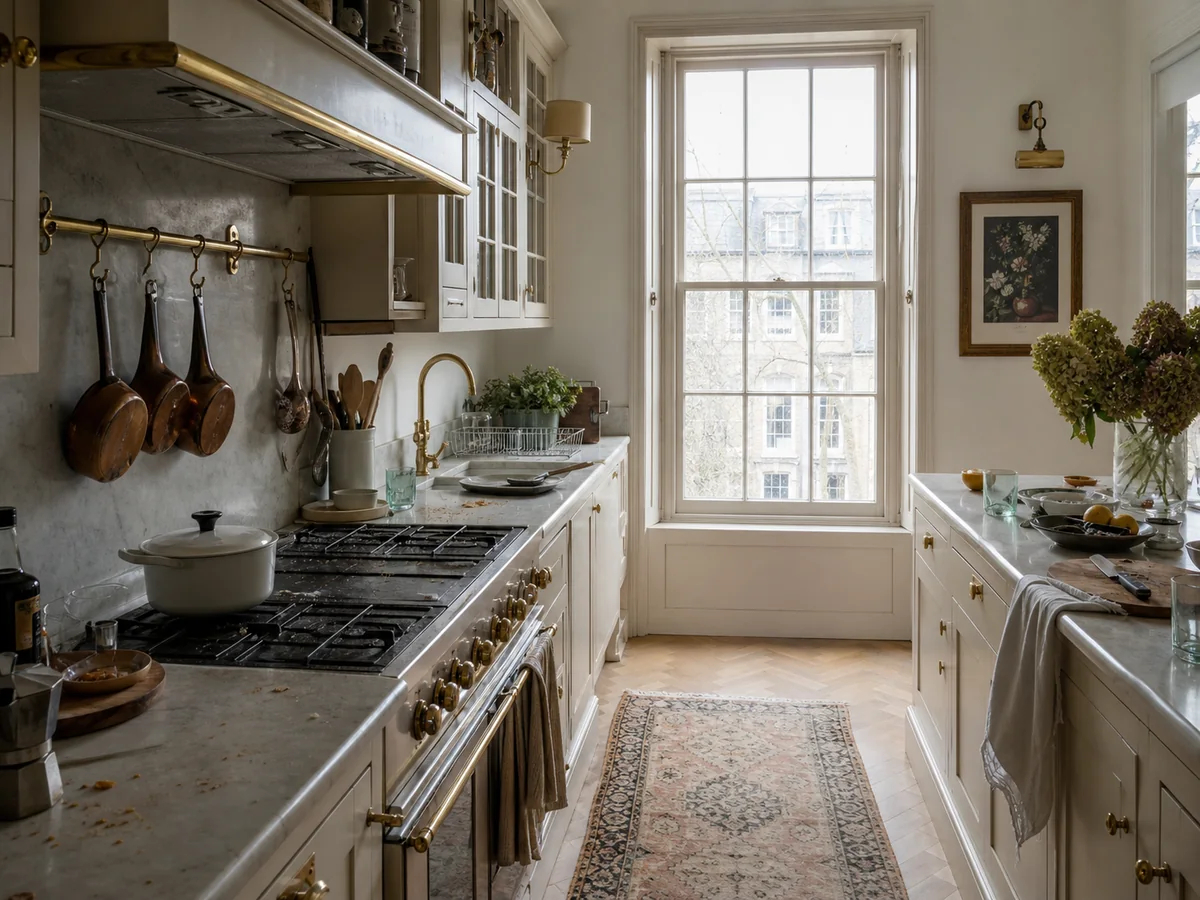

Remove valuables, ornaments, toys and loose cables. Empty only furniture that has been agreed for movement and identify a safe holding place. For wider property tasks, arrange domestic cleaning independently so the carpet team’s furniture boundary stays clear.
Fragrance cannot demonstrate a complete rinse
A strong scent may persist whether residue is present or not. The cleaner focuses on controlled product use, extracted soil, pile feel and effective recovery. Perfume is not used as evidence that a traffic lane is technically clean.
Repeated DIY treatment changes the starting point
Several products may interact or leave films that attract dust. Names, quantities and sequence are useful. The technician begins conservatively, rather than adding a powerful mixture to compensate for an uncertain history.
Furniture fabric collects another type of film
Body contact and cushion construction give seating its own soil profile. Request upholstery cleaning separately; the sofa should not inherit carpet chemistry merely because it borders the same lane.
Coordinate the final floor stage
When end of tenancy cleaning is also required, remove surrounding grease and dust before protecting the rinsed carpet from later foot traffic. Each team’s inclusions remain explicit.
MAP / COVERAGE CONTEXT
Plan the route into the Clapham property.
Coverage context for Clapham. This map does not represent a staffed local office.
EXPLORE / NEXT
Related services in Clapham
EXPLORE / NEXT
Nearby areas for carpet cleaning
Dry equipment removes particles efficiently before they mix with solution. Wet extraction is then free to concentrate on released bonded soil instead of carrying a preventable load of grit.
Clapham questions about grit and carpet cleaning
Why vacuum if extraction will remove dirt?
Abrasive particles can contribute to fibre wear under footfall. Cleaning removes recoverable material, but it cannot rebuild tips already lost, which is why ongoing dry-soil control matters.
Can embedded sand permanently damage carpet?
Ordinary tidying is fine, but professional preparation remains part of the service. Tell us about sharp debris or hazardous material and avoid concealing a condition that needs assessment.
Should I vacuum immediately before the appointment?
A bed is a separate textile service with layered construction and hygiene considerations. Use mattress cleaning to scope it properly rather than treating it as spare carpet area.
Can a mattress be vacuumed as an add-on?
No. It describes service coverage and practical local context, not a staffed branch.
Map the Clapham footfall before requesting a slot
Send carpet dimensions, stairs, fibre, entrance and turning routes, specific spill records, furniture limits and exact access times. Explain how the floor must be used afterwards. These facts support an efficient sequence and transparent handover without turning a busy carpet into an excuse for excessive chemistry or a false drying guarantee.